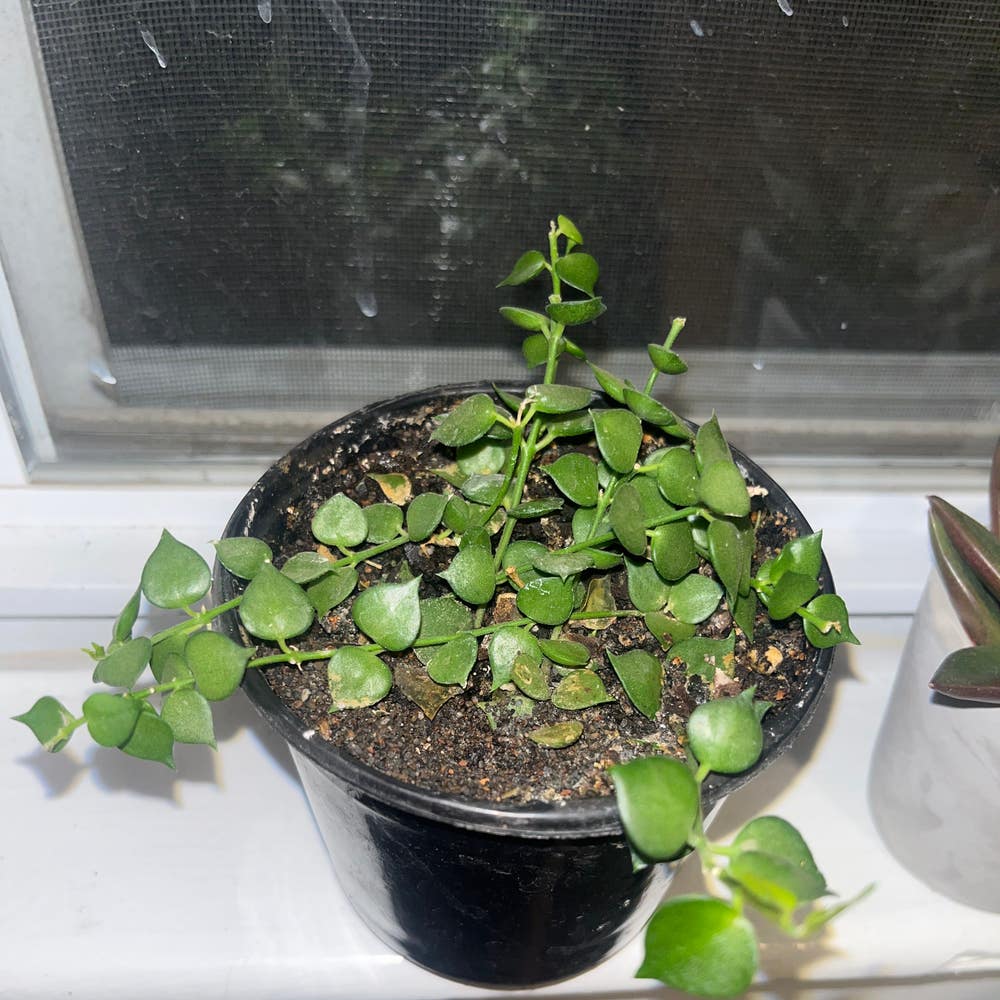
Is Direct Sunlight Good for My Million hearts?
Dischidia ruscifolia
By the Greg Editorial Team
Jun 18, 2024•5 min read
This article was created with the help of AI so we can cover more plants for you. May contain errors. See one? Report it here.
Nurture your Million hearts to lush perfection by decoding the sunlight puzzle 🌞🌱—no more sunburn woes!
- 🌞 Morning sun ideal, avoid midday rays for Million hearts health.
- Use sheer curtains for protection against harsh sunlight.
- Recognize and react to sun stress with immediate plant care.
Sunlight and Million Hearts: A Delicate Dance
Navigating the sunlight needs of Million hearts requires precision.
🌞 The Sweet Spot: How Much Sun is Just Right?
Bright but indirect light is the mantra for Million hearts. Aim for a location where sunlight is present but not harsh. Morning sun can work wonders, offering a gentle touch without the risk of sunburn. Avoid the intense midday and afternoon rays, as they can be too aggressive for the delicate leaves.
Signs Your Million Hearts is Sun-Kissed or Sun-Scorched
Keep an eye out for the plant's visual cues. A healthy Million hearts will display robust growth and vibrant green foliage. If you notice brown, crispy edges or leaves turning a lighter color, it's a clear distress signal. These symptoms indicate that your plant has had more than its fair share of solar exposure. Immediate action is required to prevent further damage.

Window Wise: Where to Perch Your Plant
🌞 North, South, East, West: Million hearts' Best Bet
South-facing windows are the solar heavyweights, dishing out the most intense light. Perfect for your Million hearts if you're aiming for that sun-kissed vibe, but keep it a few feet back to avoid a scorch. In the Southern Hemisphere, flip the script—north-facing windows take the lead role here.
East-facing windows offer your plant a gentle morning pep talk with soft rays, while west-facing windows come in strong with an afternoon power hour that can be a bit much for your leafy friend. And then there's the north-facing window, the chill-out zone with a steady stream of mellow light, great for those not seeking the limelight.
🌍 Hemisphere Hints: Adjusting for Your Latitude
In the Northern Hemisphere, south-facing windows are the go-to for a consistent light bath. However, if you're down under in the Southern Hemisphere, it's the north-facing windows that'll give your Million hearts the sunshine it craves. Remember, your plant's not just a pretty face—it's a sun worshipper with a need for the right spotlight.
Adjust your plant's position with the seasons; it's not just about the right window, but also the right time of year. Winter means cozying up closer to the light, while summer calls for a tactical retreat to avoid the harsh glare. Keep an eye on the light, not just the calendar, and move your Million hearts accordingly.
And hey, if you're unsure about your window's orientation, a quick peek at Google Maps can set you straight. Your Million hearts doesn't have to be a homebody either; consider a hanging basket or a plant stand to mix things up. Just make sure it's still soaking up that sweet, sweet sunlight.

When the Sun's Too Strong: Shielding Million Hearts
Million hearts, while resilient, can wilt under the harsh gaze of the midday sun. Here's how to craft a sun-safe haven for your verdant companion.
💡 Creative Shading Techniques
Sheer curtains are the unsung heroes in the battle against scorching sunlight. They soften the blow, allowing a gentle light to caress your plant's leaves. If you're outdoors, a shade cloth can be your best ally, acting as a parasol for your green buddy. Think of it as a sunscreen; it blocks the harmful rays while still letting through enough light for photosynthesis. For those with a knack for DIY, creating a lattice or pergola can provide a chic, protective canopy.
💡 Timing is Everything: When to Dodge the Direct Rays
Timing can be as crucial as location. Morning light is like a gentle hug for your Million hearts, but the intense afternoon sun is more of a chokehold. Rotate your plant to ensure it basks in the morning glory and is shielded during the peak hours. If you're dealing with an outdoor setting, consider the sun's path and place your plant where it will be naturally shaded as the day progresses. Remember, the goal is to mimic the dappled shade of a forest floor, not the relentless desert sun.

Recognizing and Reacting to Sun Stress
Recognizing the warning signs of sun stress in your Million hearts plant is crucial for its well-being.
🌞 Telltale Signs of Too Much Tan
Scorched tips, yellowing, or brown patches on your Million hearts are clear indicators of excessive sun exposure. These symptoms are the plant's way of crying out for help, much like a sunburn signals skin damage in humans. Crispy edges or dry brown spots are akin to a red flag, signaling that your plant has had more than its fair share of sunlight.
🩹 First Aid for the Sunstruck
When your Million hearts shows signs of sun stress, it's time for some plant first aid. Immediate action is required to prevent further damage. Relocate the plant to a shadier spot to halt the progression of sunburn. If the leaves are only slightly damaged, they may recover on their own. However, severely scorched leaves should be trimmed away to allow for new growth. Ensure the plant is well-hydrated, but be cautious not to overwater as this can lead to additional stress. If the damage is extensive, consider consulting with a plant specialist for further advice on recovery and care.
⚠️ Safety First
This content is for general information and may contain errors, omissions, or outdated details. It is not medical, veterinary advice, or an endorsement of therapeutic claims.
Always consult a qualified healthcare professional before using any plant as food, medicine, or supplement.
Never eat any plant (or feed one to pets) without confirming its identity with at least two trusted sources.
If you suspect poisoning, call Poison Control (800) 222-1222, the Pet Poison Helpline (800) 213-6680, or your local emergency service immediately.
Spotted an error? Please report it here.
Keep your Million hearts radiant 🌿 with Greg's custom reminders to dodge the midday sun and bask in the gentle morning rays.