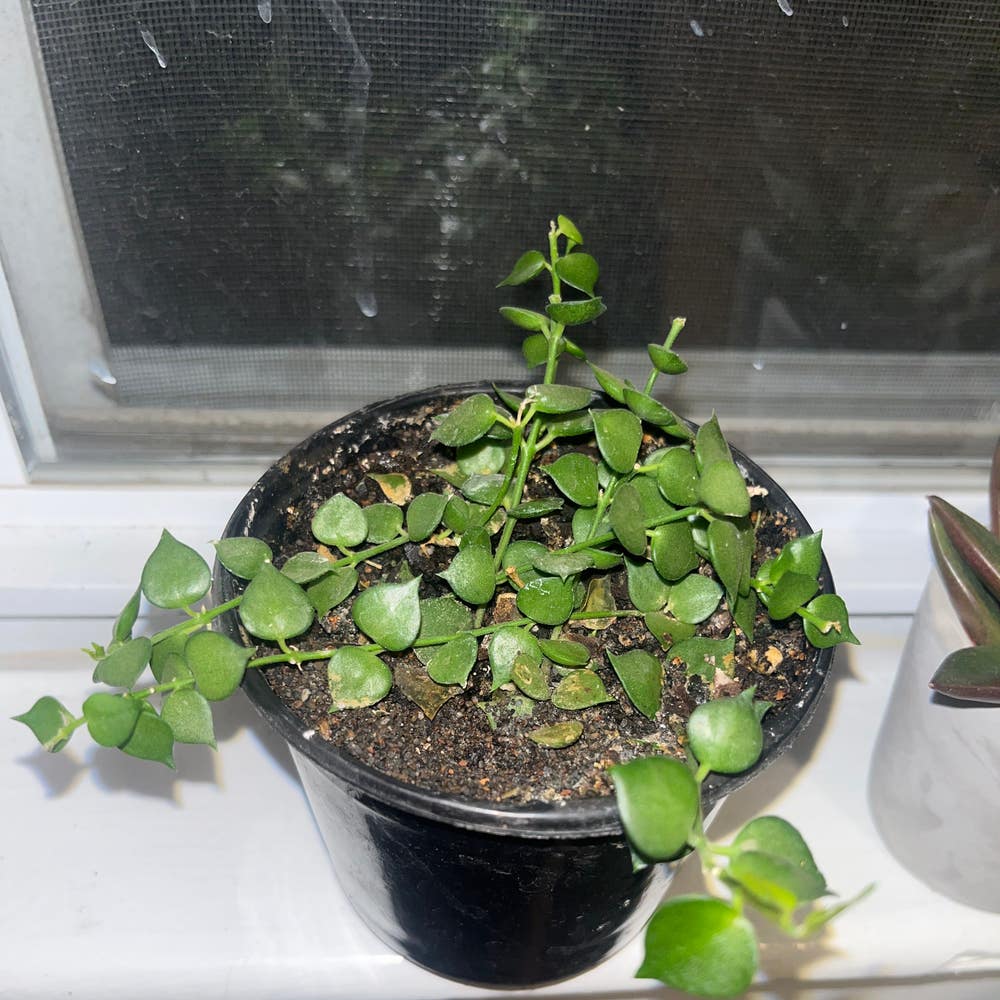
Propagating Your Million hearts: Step-by-Step Guide
Dischidia ruscifolia
By the Greg Editorial Team
Jun 18, 2024•4 min read
This article was created with the help of AI so we can cover more plants for you. May contain errors. See one? Report it here.
Propagate your own vibrant Million Hearts 🌿 effortlessly with our foolproof guide!
- Choose vibrant, firm stems and cut at a 45-degree angle below a leaf node.
- Root in water or well-draining soil; keep moist but not soggy.
- Transplant when rooted, upgrading to a pot with a drainage hole.
Snip and Dip: Propagating by Stem Cuttings
🌱 Choosing Your Champion Stem
In the quest for propagation, selecting a robust stem is half the battle. Look for stems that boast a vibrant green hue and a firmness that signals vitality. Avoid any that display signs of weakness or disease—these are not the champions you're looking for.
✂️ The Perfect Cut
Armed with disinfected shears or a sharp knife, aim for a 45-degree angle cut just below a leaf node. This isn't just snipping; it's a strategic incision that maximizes the potential rooting surface area. Length matters too—4-6 inches is the sweet spot.
🌿 Prepping for Success
Before your stem cuttings embark on their rooting odyssey, strip off the lower leaves to prevent rot and leave a couple at the top for photosynthesis. Dip the cut end into rooting hormone to give it a head start, and consider a sprinkle of fungicide to fend off any fungal freeloaders. Now, your cuttings are prepped and primed for the next stage of their journey.

Rooting in Water: The Aquatic Adventure
🌊 Submerging Your Stems
Dive right in by submerging your Million Hearts stem cuttings in water. Ensure no leaves are underwater to prevent bacterial growth. A clear container is ideal, not just for its looks, but to keep an eye on those developing roots. Change the water every few days to maintain freshness and oxygen levels, which are crucial for your cuttings to thrive.
💦 From Bubbles to Roots
Patience is your new best friend. Roots may take a few weeks to appear, but it's worth the wait. Monitor the water's clarity and root progress, rinsing any slimy film off the roots during water changes. Once roots hit the half-inch mark, they're ready for their soil debut. Keep the cuttings in indirect light and resist the urge to poke around; roots need peace to prosper.

Planting Directly in Soil: The Earthy Approach
🌱 Soil Selection and Planting
Choosing the right soil mix is crucial for your Million Hearts cuttings. Opt for a well-draining mix that's light and airy; think succulent or cactus mix as a base. To enhance drainage and prevent waterlogging, consider adding perlite or coarse sand.
Before planting, moisten the soil slightly. It should feel like a damp sponge—hydrated but not dripping. Make a hole with a pencil or your finger, deep enough to accommodate the lower third of the cutting. If you've dipped the end in rooting hormone, be careful not to rub it off.
Place the cutting in the hole and gently firm the soil around it to eliminate air pockets. Water lightly to settle the soil, ensuring the cutting stays upright and secure.
🕰 The Waiting Game
Patience is key when waiting for roots to develop in soil. Keep the soil consistently moist but not soggy—overwatering is the fast track to rot. Avoid the temptation to tug on the cuttings to check for roots; this can damage delicate new growth.
Instead, watch for new leaves as a sign of successful rooting. After a few weeks, a gentle tug that meets resistance usually means roots have formed.
Remember, the Million Hearts plant thrives on neglect, so don't fuss over it too much. Just ensure it receives bright, indirect light and the occasional whisper of encouragement.

After the Roots: Caring for New Million Hearts Plants
🏡 The Big Move
When your Million Hearts plant has established roots, it's time to upgrade its living quarters. Choose a pot with a drainage hole that's slightly larger than the current one—think of it as a new apartment with an extra closet. Use a well-draining potting mix to avoid waterlogging, which can spell disaster for your plant's roots. Gently remove the plant from its current container, being careful not to disturb the roots too much. Place it in the new pot and fill in around it with soil, pressing lightly to eliminate air pockets.
🌿 Settling In
After the move, your Million Hearts will need some time to acclimate. Keep the soil moist but not soggy, and place the pot in a spot with bright, indirect light. This mimics the dappled sunlight of its natural habitat. Avoid the temptation to fertilize right away; give it a few weeks to settle in before introducing any additional nutrients. Watch for signs of stress, such as drooping or yellowing leaves, and adjust care as necessary. With patience and attention, your propagated plants will soon thrive in their new homes.
⚠️ Safety First
This content is for general information and may contain errors, omissions, or outdated details. It is not medical, veterinary advice, or an endorsement of therapeutic claims.
Always consult a qualified healthcare professional before using any plant as food, medicine, or supplement.
Never eat any plant (or feed one to pets) without confirming its identity with at least two trusted sources.
If you suspect poisoning, call Poison Control (800) 222-1222, the Pet Poison Helpline (800) 213-6680, or your local emergency service immediately.
Spotted an error? Please report it here.
Ensure your Million hearts thrive by following this guide, and count on Greg 🌿 to prompt you for water changes and growth checks, making propagation a breeze!