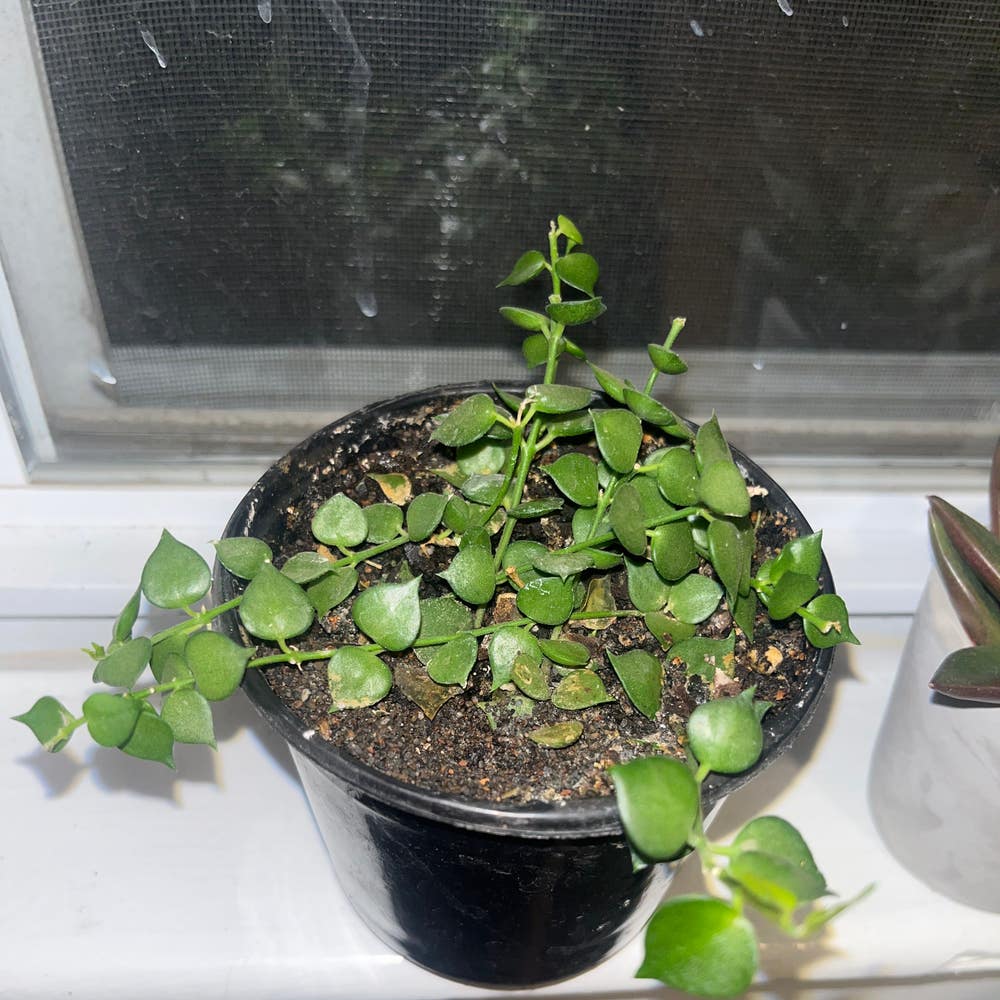
What Are The Bugs on My Million hearts?
Dischidia ruscifolia
By the Greg Editorial Team
Jun 18, 2024•3 min read
This article was created with the help of AI so we can cover more plants for you. May contain errors. See one? Report it here.
Protect your lush Million hearts 🌿 from bug invasions with expert pest-fighting tips! 🐞
- Spider mites and mealybugs: Combat with neem oil, alcohol, and soapy sprays.
- Scale insects and flies: Remove with alcohol swabs, sticky traps, and dry soil.
- Prevent pests: Cleanliness, beneficial insects, and regular monitoring are key.
Spot the Invaders: Identifying Common Pests
🕷️ Spider Mites
Tiny webbing and speckled leaves are the calling cards of spider mites. These minuscule critters thrive in dry conditions, sucking the life out of your Million hearts plant.
Combat tactics: Neem oil and insecticidal soap are your best friends here. Apply with vigilance and precision to send these pests packing.
Keeping them at bay: Boost humidity around your plant and quarantine any new additions to your green family to prevent a mite migration.
🛡️ Scale Insects
These pests masquerade as innocuous bumps on your plant's stems and leaves, secreting a sticky residue known as honeydew.
Removal strategies: Swipe them off with alcohol swabs or apply horticultural oil with a vengeance.
Prevention patrol: Regular inspections and improved airflow around your plants are your first line of defense against these armored invaders.
🦟 Fungus Gnats and Fruit Flies
Fungus gnats and fruit flies are the party crashers of the plant world, with gnats favoring the soil and fruit flies the fruit bowl.
Eradication methods: Sticky traps and soil treatments will cut their celebrations short.
Drying them out: Overwatering is an open invitation. Adjust your watering habits to keep the soil on the drier side, deterring these flying frustrations.
🐛 Mealybugs
Cottony clusters signal a mealybug infestation. These pests are like fluffy white marauders, leaving a trail of destruction on your Million hearts.
Erasing mealybugs: Alcohol treatments and soapy sprays will clean up these pests. Be thorough to prevent a second wave.
Quarantine and check: Isolate the affected plant immediately and keep a close watch to ensure these bugs don't make a comeback.

When Bugs Run Amok: Handling Severe Infestations
🐛 Assessing the Severity
When your Million hearts is looking more like a bug hotel than a plant, it's time to escalate your response. If you're seeing little to no new growth and your plant's vitality is waning, consider this a red flag.
💉 Intensive Care
Systemic insecticides are your last line of defense. They're like antibiotics for your plant—potent and not to be overused. Always follow the label instructions to the letter. If you're feeling outgunned, don't shy away from seeking professional help. These plant medics can offer targeted solutions to save your green buddy.
🌱 Recovery and Resilience
Post-battle, your Million hearts might look a bit rough around the edges. Focus on reviving your plant with proper care and attention. Monitor closely for any signs of pest resurgence—vigilance is your new best friend. Remember, recovery is a marathon, not a sprint.

Pro Tips: Preventative Practices for a Bug-Free Plant
💫 The Power of Cleanliness
Cleanliness is your plant's best friend. Wipe down leaves to banish dust, the secret hideout for pests. Ensure pots and soil are fresh; it's like upgrading your plant to a luxury suite that's off-limits to bugs.
🦸 Allies in the Fight
Companion planting and beneficial insects are your garden's superheroes. They're nature's way of keeping the peace, ensuring your Million hearts plant remains an insect-free zone.
👀 Vigilance is Key
Regular monitoring is non-negotiable. Treat plant check-ups like a daily ritual, akin to brushing your teeth. Early detection can mean the difference between a minor annoyance and a full-blown infestation.

⚠️ Safety First
This content is for general information and may contain errors, omissions, or outdated details. It is not medical, veterinary advice, or an endorsement of therapeutic claims.
Always consult a qualified healthcare professional before using any plant as food, medicine, or supplement.
Never eat any plant (or feed one to pets) without confirming its identity with at least two trusted sources.
If you suspect poisoning, call Poison Control (800) 222-1222, the Pet Poison Helpline (800) 213-6680, or your local emergency service immediately.
Spotted an error? Please report it here.
Keep your Million hearts pest-free 🌿 with Greg's timely reminders for early detection and care, ensuring your plants stay healthy and vibrant!