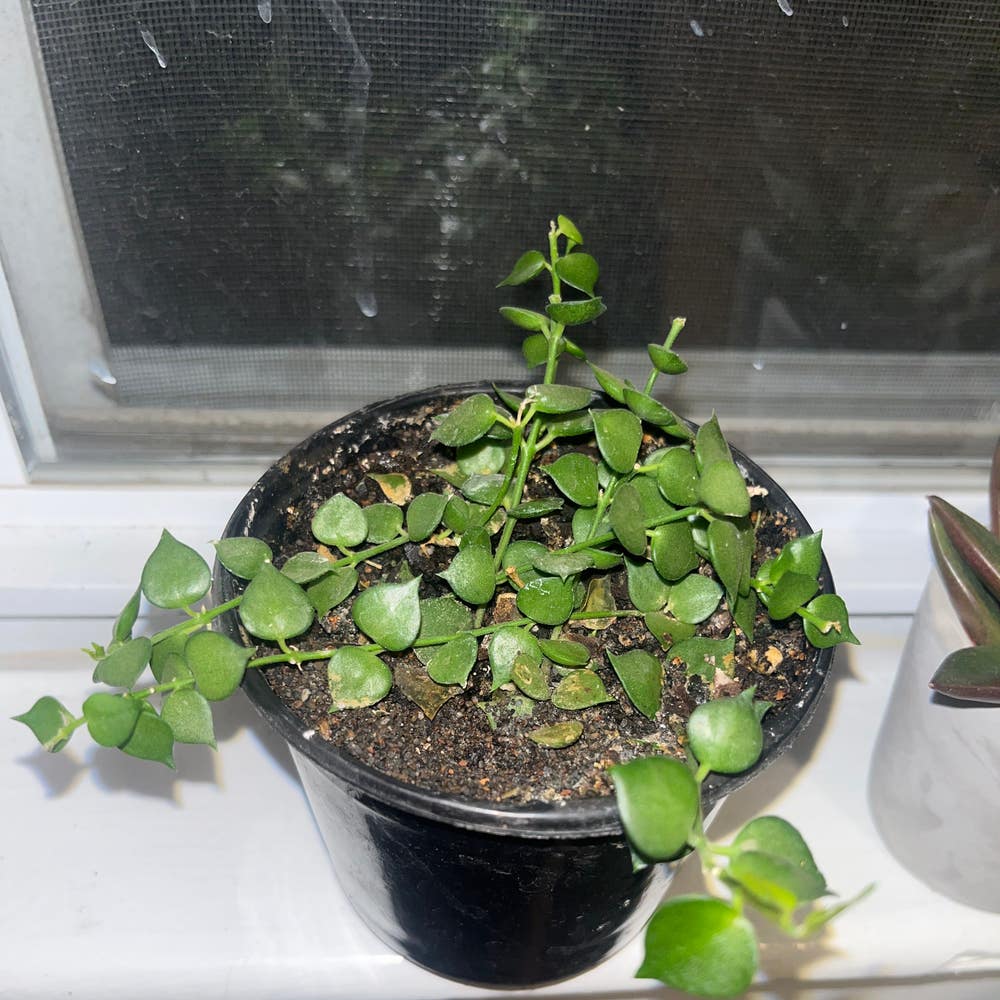
7 Winter Threats to Your Million Hearts ❄️
Dischidia ruscifolia
By the Greg Editorial Team
Sep 28, 2024•4 min read
This article was created with the help of AI so we can cover more plants for you. May contain errors. See one? Report it here.
Ensure your Million Hearts thrive this spring 🌱 by mastering essential winter care techniques today!
- ❄️ Water less in winter; every 2-3 weeks is ideal for Million Hearts.
- 🌱 Check for yellow leaves to avoid overwatering and root rot.
- 🌡️ Maintain indoor temps between 18°C to 24°C for optimal growth.
Winter Care Requirements
Adjusting Watering Schedules During Winter 🌧️
Reducing watering frequency is crucial during winter. Plants like Million Hearts store water in their leaves, which means they need less moisture as they enter dormancy.
Aim to water every 2-3 weeks, adjusting based on humidity levels. If your home is particularly dry, you might need to check more frequently.
Watch for signs of overwatering, such as yellowing leaves or mushy stems. These symptoms indicate that your plant is getting too much water, which can lead to root rot.
To check soil moisture, use the finger test or a moisture meter. Simply insert your finger about an inch into the soil; if it feels dry, it’s time to water.
Fertilizing in Winter: What to Know ❄️
During winter, the general guideline is minimal fertilization. Your plants are dormant, and they don’t require the nutrients they need during the growing season.
Avoid high nitrogen fertilizers, as they can stimulate growth when your plants should be resting. Instead, focus on diluted liquid fertilizers.
Apply this diluted fertilizer once in late winter, just before spring growth begins. This timing ensures your plants are ready to thrive as the weather warms up.
Protection from Winter Threats
❄️ Frost Protection Techniques
Frost can be a sneaky adversary for your Million Hearts. Understanding temperature thresholds is crucial; these plants typically suffer when temperatures dip below 32°F (0°C).
To safeguard your plants, consider these protective measures:
- Covering Plants: Use frost cloth or burlap to shield them from icy winds.
- Using Mulch: A layer of mulch can insulate roots, keeping them warm.
- Bringing Potted Plants Indoors: During cold snaps, relocating potted plants inside can prevent frost damage.
🥶 Identifying and Mitigating Winter Damage
Winter can leave its mark on your plants, so it's essential to recognize signs of damage. Look for brown edges or wilting leaves, which indicate stress.
To assess plant health, inspect leaves and stems closely. This will help you determine the extent of any damage.
If you find your plants have suffered, here are some recovery strategies:
- Pruning: Cut away dead or damaged foliage to encourage new growth.
- Adjusting Care Practices: After damage, modify your watering and fertilization routine to support recovery.
By staying vigilant and proactive, you can help your Million Hearts thrive even in the harshest winter conditions. Next, we’ll explore how to care for your plants indoors during the colder months.
Indoor Winter Care
🌱 Best Practices for Bringing Indoors
Timing is crucial when transitioning your Million Hearts indoors. Aim to bring them inside before the first frost hits, as sudden temperature drops can shock the plants.
Before moving them, inspect for pests and diseases. A quick check can save you from bringing unwanted guests into your home.
The acclimatization process is essential. Gradually introduce your plants to indoor conditions to help them adjust without stress.
💡 Light and Temperature Requirements for Indoor Care
Million Hearts thrive in bright, indirect light. Position them near a window where they can soak up the sun without being scorched.
Maintain a comfortable temperature range between 18°C to 24°C (65°F to 75°F). This range mimics their natural habitat and promotes healthy growth.
Humidity is another key factor. Keep moisture levels up with a humidifier or a pebble tray filled with water to create a more inviting environment.
By following these indoor care practices, you’ll set your Million Hearts up for success during the winter months. Next, let’s explore how to identify signs of winter damage and effective recovery strategies.
Spring Preparation and Recovery
🌨️ Signs of Winter Damage and Recovery Strategies
As winter fades, it's crucial to assess your Million Hearts for any signs of damage. Look for changes in leaf color and texture; healthy leaves should be vibrant and firm, while damaged ones may appear brown or wilted.
To help your plants recover, gradually reintroduce them to outdoor conditions. Start by placing them in a sheltered spot for a few hours each day, increasing exposure over a week or two.
Adjust your watering and fertilization practices as growth resumes. This means watering more frequently as the weather warms and considering a light fertilization to kickstart growth.
🌱 Preparing for Spring Growth
Timing is everything when it comes to spring care. Begin increasing light and water as temperatures rise, ideally around the last frost date in your area.
Monitoring growth patterns is essential. Pay attention to how your plants respond to changes in care, and be ready to adjust accordingly.
To promote healthy growth, make regular pruning a habit. This not only encourages new growth but also helps you spot any pests early on.
With these strategies in place, your Million Hearts will be well on their way to thriving in the spring. Next, let’s explore how to ensure they stay healthy throughout the growing season.
⚠️ Safety First
This content is for general information and may contain errors, omissions, or outdated details. It is not medical, veterinary advice, or an endorsement of therapeutic claims.
Always consult a qualified healthcare professional before using any plant as food, medicine, or supplement.
Never eat any plant (or feed one to pets) without confirming its identity with at least two trusted sources.
If you suspect poisoning, call Poison Control (800) 222-1222, the Pet Poison Helpline (800) 213-6680, or your local emergency service immediately.
Spotted an error? Please report it here.
Keep your Million Hearts thriving this winter ❄️ by adjusting your care routine with Greg's tailored reminders, ensuring they flourish come spring!