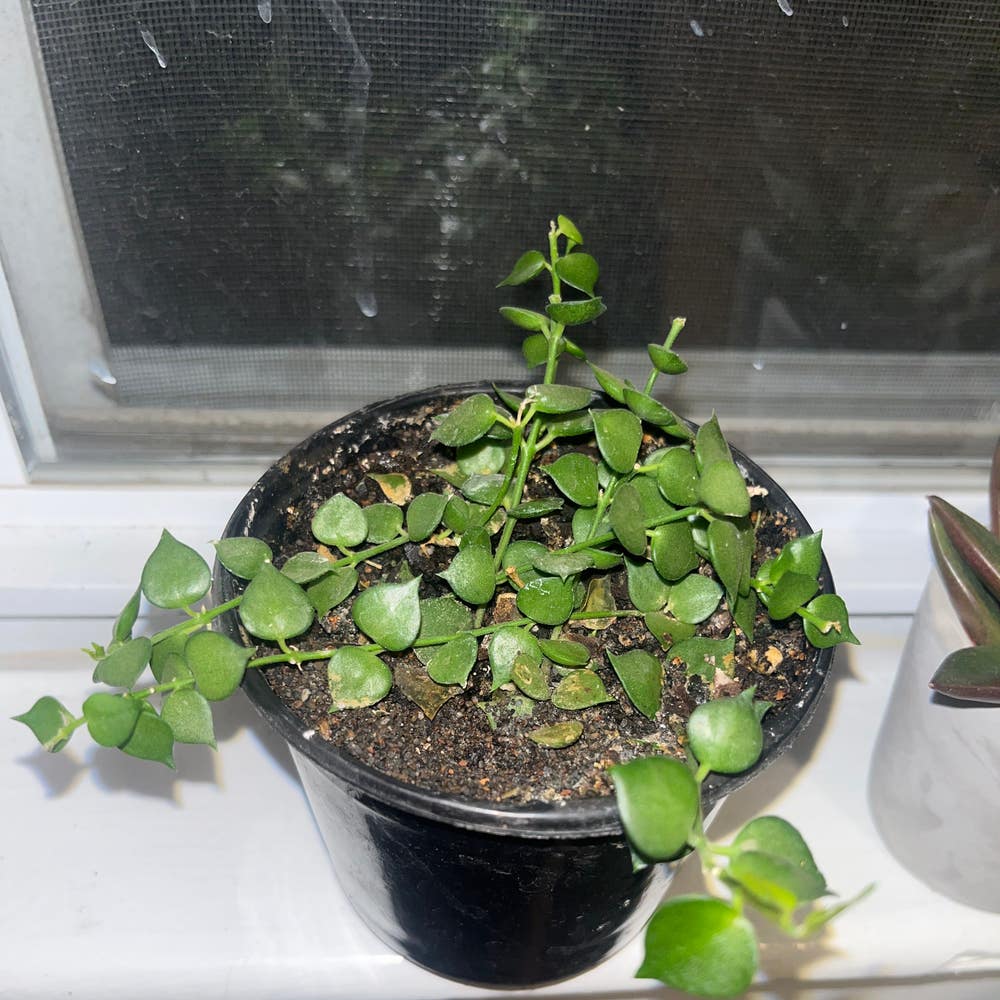
How to Fertilize Your Million hearts
Dischidia ruscifolia
By the Greg Editorial Team
Jun 18, 2024•4 min read
This article was created with the help of AI so we can cover more plants for you. May contain errors. See one? Report it here.
Fertilize wisely 🌿 and watch your Million hearts thrive—discover the perfect timing and method!
- Fertilize in spring/summer, reduce in fall/winter for Million hearts' health.
- Balanced 10-10-10 NPK ratio and micronutrients are ideal for Million hearts.
- Over-fertilization symptoms? Flush soil, stop fertilizing, and possibly trim or repot.
Timing is Everything: When to Fertilize Million Hearts
🌱 Active Growth Season: The Best Time to Boost Your Plant
Million hearts plants, like many others, enter a growth spurt during spring and summer. This is when they're most receptive to fertilization. Boosting your plant with a balanced, low-nitrogen fertilizer once a month aligns with its natural rhythm.
💤 Dormant Phase: Slowing Down on the Nutrients
Come fall and winter, Million hearts plants hit the brakes on growth. This is the time to reduce or even halt fertilization. Overdoing it during dormancy is akin to force-feeding; it's unnecessary and can be harmful.
Seasonal Fertilization Tips for Thriving Million hearts
- Spring and Summer: Fertilize once a month with a diluted solution.
- Fall and Winter: Ease off to prevent nutrient overload.
- Observe: Your plant's response is the best indicator. If it looks lush and happy, you're on the right track. Yellow leaves or a halt in growth could signal the need for a tweak in the schedule.
- Watering: Always water thoroughly before applying fertilizer to avoid root burn.
- Patience: Don't rush to fertilize a newly repotted plant. Give it time to settle.
Remember, less is often more with Million hearts. They're not greedy feeders, so a light touch goes a long way.

Picking the Perfect Fertilizer for Your Million hearts
🌱 Understanding NPK Ratios: What Does Million hearts Crave?
NPK ratios are the GPS coordinates for plant nutrition. For Million hearts, a balanced mix like 10-10-10 keeps it on the right track. Nitrogen for foliage, phosphorus for roots, and potassium for overall health. But don't forget the micronutrients – they're the secret handshake to peak performance.
🌿 Organic vs. Synthetic: Choosing Your Plant's Diet
It's a showdown between organic and synthetic fertilizers. Organic plays the long game, improving soil health and supporting your plant's diet sustainably. Synthetic is the espresso shot for quick growth. But beware, too much and you'll crash – over-fertilization is a no-go.
🌱 Slow-Release Fertilizers: Are They the Right Choice for Million hearts?
Slow-release fertilizers are the crockpots of plant care. They're low-maintenance, providing a steady stream of nutrients. For Million hearts, which isn't a heavy feeder, this could be the golden ticket. It's all about consistent, controlled feeding without the risk of nutrient overload.

The Fertilization Process: A Step-by-Step Guide
💧 Mixing it Right: Dilution Ratios for a Happy Plant
Getting the dilution ratio right is crucial for the health of your Million hearts. Start by halving the recommended dosage on your fertilizer package to avoid nutrient burn. If you're a serial fertilizer, consider diluting even more. Remember, less is often more when it comes to plant nutrition.
🌊 Application Techniques: Ensuring Even Distribution
For liquid fertilizers, integrate them into your regular watering routine to ensure even distribution. If you're using granular types, sprinkle them onto the soil and follow up with watering to activate the nutrients. Always apply to moist soil to prevent the dreaded root burn.
⏰ Frequency Matters: How Often Should You Fertilize?
Overfeeding is a real concern. During the growing season, fertilizing every 4-6 weeks can keep your Million hearts thriving. In the dormant phase, cut back to once every 2-3 months. Keep an eye on your plant's response and adjust accordingly—your Million hearts will let you know if you're hitting the sweet spot.

Oops, Too Much! Dealing with Over-Fertilization
🚨 Spotting Trouble: Recognizing Over-Fertilization Symptoms
Million hearts, like any plant, can suffer from too much love in the form of over-fertilization. Yellowing leaves, brown tips, and a crusty soil surface are telltale signs that your plant is in distress. Other symptoms include wilting leaves with damp soil, which might seem like a contradiction. Roots may appear brown, blackened, or limp, indicating they've been damaged. If you notice a slowdown in growth or burning foliage, it's time to take action.
💦 Quick Fixes: How to Help an Over-Fertilized Million hearts Recover
When you've crossed the line with fertilizer, the first step is to stop fertilizing immediately. Scoop off any visible mineral crust from the soil's surface, but be gentle—don't stress the plant further. Next, flush the soil with water to leach out the excess nutrients; ensure your pot has drainage holes for this. If the damage is severe, consider trimming away the affected leaves to help the plant focus on recovery. For potted Million hearts, a soil swap might be necessary—either replace the top layer or repot entirely. Going forward, test your soil before the next fertilization and water thoroughly after applying fertilizer to prevent salt buildup. Remember, when it comes to plant care, sometimes less is more.
⚠️ Safety First
This content is for general information and may contain errors, omissions, or outdated details. It is not medical, veterinary advice, or an endorsement of therapeutic claims.
Always consult a qualified healthcare professional before using any plant as food, medicine, or supplement.
Never eat any plant (or feed one to pets) without confirming its identity with at least two trusted sources.
If you suspect poisoning, call Poison Control (800) 222-1222, the Pet Poison Helpline (800) 213-6680, or your local emergency service immediately.
Spotted an error? Please report it here.
Ensure your Million hearts plant flourishes with just-right fertilization 🌿 by relying on Greg to monitor its growth and adjust feeding times, preventing any over-fertilization woes.