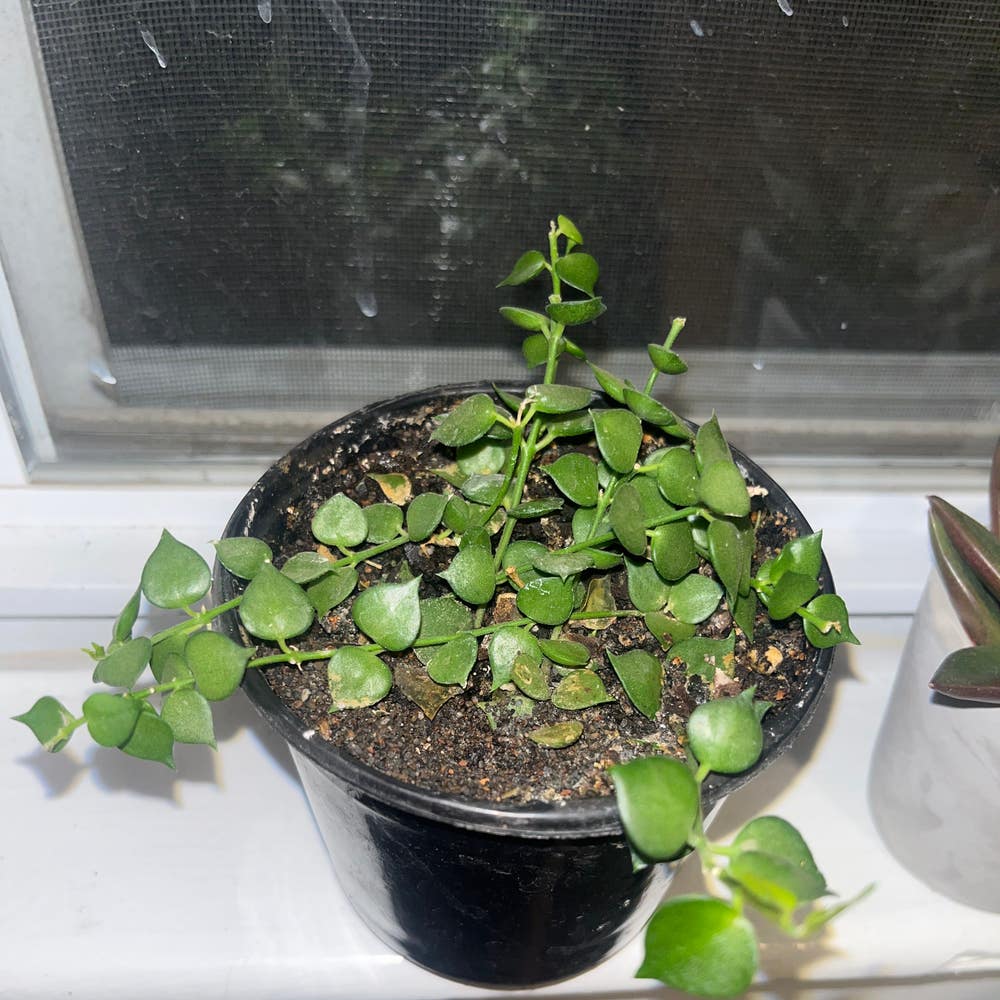
How Much Humidity Does My Million hearts Need?
Dischidia ruscifolia
By the Greg Editorial Team
Jun 18, 2024•4 min read
This article was created with the help of AI so we can cover more plants for you. May contain errors. See one? Report it here.
Discover the secret to lush Million hearts 🌿 by hitting the perfect 40-50% humidity sweet spot!
- 40-50% humidity ideal for Million Hearts, use hygrometer to monitor.
- Crispy leaves, slow growth? Low humidity. Mold, rot? High humidity.
- Seasonal adjustments needed; boost with pebble trays or humidifiers, reduce with ventilation.
Spotting Humidity Happiness or Distress in Million Hearts
🌡️ Signs of Low Humidity
Crispy leaves on your Million hearts are a red flag for low humidity. If you notice the edges turning brown or the foliage feeling brittle, it's a cry for help. Slow growth can also indicate that the air is too dry for your plant's liking.
🌧️ Signs of High Humidity
On the other end of the spectrum, mold or rot are telltale signs of too much humidity. Discoloration, a damp or spongy feel on the leaves, and a general sense of the plant being 'off' should have you on alert. These symptoms suggest that it's time to cut back on the moisture.

Nailing the Perfect Humidity Range for Million Hearts
🎯 The Sweet Spot
Million hearts thrive in a humidity range that's just right—not too dry, not a jungle. The ideal humidity for these plants is between 40% and 50%. This sweet spot ensures the leaves stay plump and happy without the risk of mold or rot setting in.
Local Humidity and Your Plant
To keep tabs on the humidity level around your Million hearts, invest in a hygrometer. This gadget is your personal humidity detective, letting you know if the air around your plant is Sahara-like or more Amazonian. Place it near your plant, but away from direct sunlight or drafts, to get the most accurate reading. Check the hygrometer throughout the day to understand the fluctuations your plant experiences. If your readings are consistently out of the sweet spot, it's time to shuffle your plant to a better location or adjust your humidity tactics.

Humidity Hacks for Million Hearts
💦 Boosting Humidity
Humidity is crucial for your Million hearts, and pebble trays are a classic move. Fill a tray with pebbles, add water just below the rock surface, and place your plant on top. The water evaporates, creating a personal humid zone for your green buddy.
Misting might seem helpful, but it's a fleeting fix. It can momentarily increase humidity, but overdoing it invites pests and disease. Instead, opt for a humidifier. It's a steadfast ally in maintaining the ideal humidity, especially during those parched winter months.
🌬️ Reducing Humidity
Sometimes, you've got to dial the moisture down. Enter dehumidifiers and ventilation. A dehumidifier can be a game-changer, letting you control the exact humidity level. Ventilation, whether through a cracked window or a fan, ensures air movement, which is vital in preventing mold and pest invasions.
Strategic plant placement is another key tactic. Don't cram your plants in a corner; space them out to promote air flow. Remember, good air circulation is like a breath of fresh air for your Million hearts—literally.

Adapting to the Seasons
🌞 Summer and Winter Adjustments
In summer, your Million hearts plant is like a tourist in Death Valley—thirsty. Evaporation is your nemesis, so step up your game. Increase misting, but don't let the leaves get soggy. Think of it as giving your plant a sip, not a swim.
Come winter, your home morphs into a moisture-sucking vacuum. Central heating is the culprit. Counteract this by introducing a humidifier or moving your plant to a bathroom where showers can boost the humidity. It's like giving your plant a cozy blanket of moisture.
💡 When to Make a Change
Hygrometers are your secret weapon. They're the snitches that tell you when the air's too dry or too damp. When readings start to dip or peak, it's time to act.
Observation is key. Watch for signs of distress—crispy leaves or a droopy demeanor. If your plant could talk, it would probably say, "Help me out here!" Adjust your humidity tactics accordingly, and remember, your plant's comfort zone changes with the weather. Keep your care as dynamic as the seasons.
⚠️ Safety First
This content is for general information and may contain errors, omissions, or outdated details. It is not medical, veterinary advice, or an endorsement of therapeutic claims.
Always consult a qualified healthcare professional before using any plant as food, medicine, or supplement.
Never eat any plant (or feed one to pets) without confirming its identity with at least two trusted sources.
If you suspect poisoning, call Poison Control (800) 222-1222, the Pet Poison Helpline (800) 213-6680, or your local emergency service immediately.
Spotted an error? Please report it here.
Keep your Million Hearts plant in perfect health by monitoring its comfort zone with Greg's custom care reminders, ensuring the humidity is always on point 🌿.