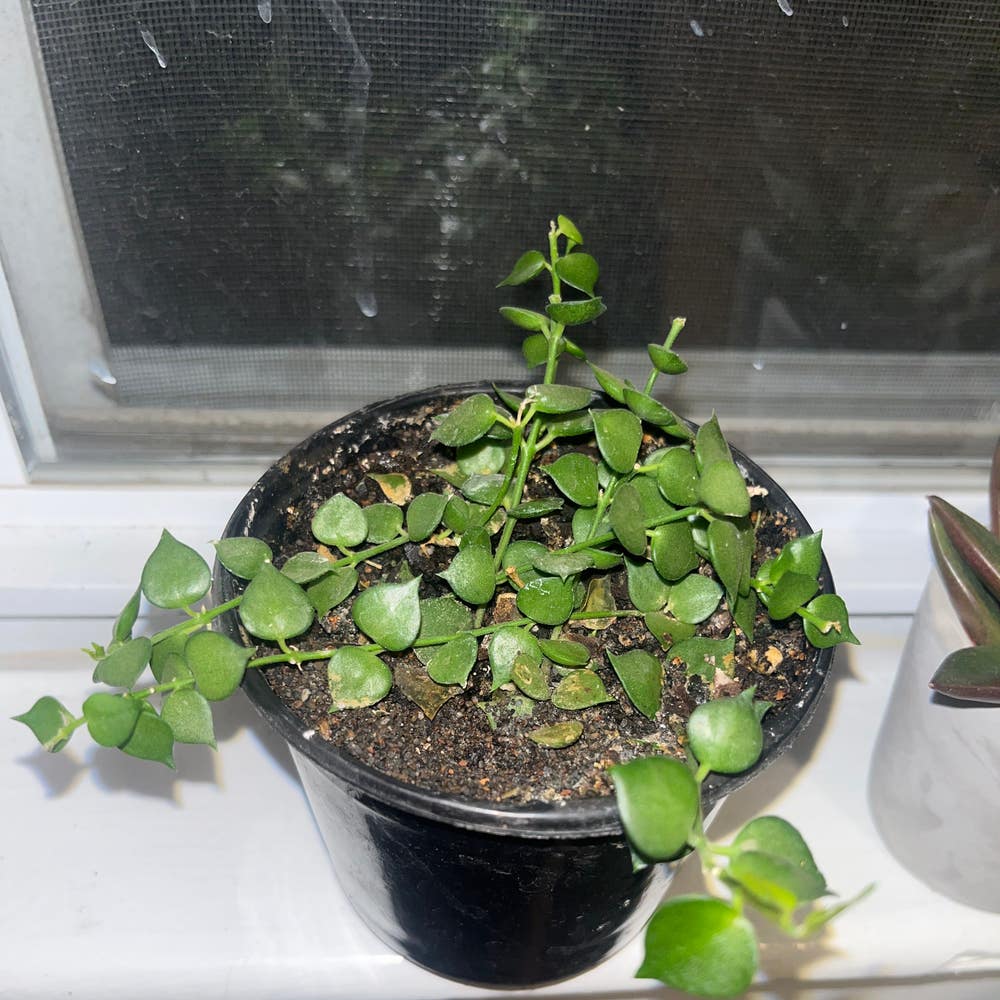
❤️ Million Hearts: A Perennial Plant
Dischidia ruscifolia
By the Greg Editorial Team
Sep 28, 2024•5 min read
This article was created with the help of AI so we can cover more plants for you. May contain errors. See one? Report it here.
Elevate your garden with Million Hearts 🌼, a resilient perennial that blooms vibrantly year after year!
- 🌱 Million Hearts thrives year after year due to its robust root system.
- 🌼 Blooms in late spring and summer, attracting pollinators and adding garden color.
- ❄️ Winter dormancy is vital for strong spring regrowth and long-term health.
Characteristics of Million Hearts as a Perennial
🌱 Multi-Year Lifecycle
Million Hearts is a remarkable perennial that thrives year after year. Its ability to survive multiple seasons stems from a robust root system that allows it to regrow each spring.
This plant's roots store energy, enabling it to bounce back after winter dormancy. Each season, it emerges anew, showcasing its resilience and adaptability.
🌼 Growth Patterns
The flowering cycles of Million Hearts are a sight to behold. Blooms typically appear in late spring and can last well into summer, though their timing may vary based on seasonal conditions.
During dormancy, the plant conserves energy through its established root system. This energy management is crucial for its survival, ensuring that it can withstand environmental stressors and thrive when conditions improve.
Seasonal Changes and Dormancy
💤 Dormancy Periods
During the colder months, Million Hearts enters a state of dormancy. You can identify this phase by the plant's wilting leaves and lack of new growth.
To conserve energy, Million Hearts employs several strategies. It reduces metabolic activity and relies on its established root system to survive until warmer weather returns.
🌱 Seasonal Changes
Million Hearts experiences distinct growth phases throughout the year.
🌼 Spring: Emergence and Initial Growth
In spring, the plant awakens from dormancy, showcasing fresh leaves and vibrant growth. This is the time when gardeners can witness the first signs of life after winter.
☀️ Summer: Peak Flowering and Growth
Summer brings peak flowering, with lush foliage and abundant blooms. This is when Million Hearts truly shines, attracting pollinators and adding color to your garden.
🍂 Fall: Preparation for Dormancy
As temperatures cool in fall, Million Hearts begins to prepare for dormancy. The plant starts to slow down, shedding leaves and redirecting energy to its roots.
❄️ Winter: Dormancy and Resource Conservation
In winter, Million Hearts remains dormant, conserving resources until spring. This period is crucial for the plant's long-term health, allowing it to emerge strong and vibrant when the weather warms.
Understanding these seasonal changes helps gardeners plan effectively. By recognizing the plant's growth cycles, you can provide the best care and maximize its beauty in your garden.
Advantages for Gardeners
🌱 Benefits of Perennial Nature
One of the standout features of Million Hearts is its perennial nature, which significantly reduces replanting efforts. Once established, these plants become a long-term investment, saving you both time and money in the garden.
Established root systems play a crucial role in this resilience. They enhance stability and nutrient uptake, allowing Million Hearts to thrive even in challenging conditions.
⏳ Expected Lifespan and Influencing Factors
Typically, Million Hearts can provide several years of productivity, making them a reliable choice for gardeners. Their average lifespan can vary, but with proper care, they can flourish for many seasons.
Several factors influence their longevity. Soil quality, water availability, and consistent care practices are essential for maintaining the health and vitality of these perennials.
As you plan your garden, consider these advantages to maximize the benefits of Million Hearts. Their resilience and long-term productivity can transform your gardening experience into a more sustainable and rewarding endeavor.
Variations Across Climate Zones
Differences in Behavior 🌱
Million Hearts is a resilient plant that showcases remarkable adaptability across various climate zones. In warmer climates, it thrives with vibrant blooms and robust growth, while in cooler regions, it demonstrates hardiness, often entering dormancy to conserve energy.
Temperature and precipitation significantly influence its growth. Warmer temperatures can lead to earlier flowering, while cooler conditions may delay blooming, showcasing the plant's flexibility in response to its environment.
Impact of Growing Conditions ☀️
Local environmental conditions play a crucial role in the flowering and growth patterns of Million Hearts. Soil type and quality are essential; well-draining, nutrient-rich soil promotes healthier plants.
Sunlight exposure is another key factor. Million Hearts flourishes in full sun but can adapt to partial shade, although this may affect its blooming intensity. Water availability also impacts growth, with consistent moisture leading to more vigorous development.
Understanding these variations helps gardeners optimize their planting strategies, ensuring Million Hearts thrives in their specific climate. This knowledge paves the way for a flourishing garden that celebrates the unique characteristics of this perennial plant.
Maximizing Benefits in Garden Planning
🌱 Tips for Long-Term Cultivation
To keep your Million Hearts thriving, focus on soil amendments and care routines. Regularly enrich the soil with organic matter to enhance nutrient availability.
Pest and disease management is crucial for perennials. Monitor your plants for signs of trouble and apply appropriate treatments promptly to maintain their health.
🌼 Strategies for Incorporating into Garden Designs
Planning for seasonal changes can elevate your garden's aesthetic. Consider companion planting with other perennials to create a vibrant, diverse landscape.
Designing for visual interest throughout the year is key. Mix different heights and colors to ensure your garden remains captivating in every season.
Utilizing Million Hearts' perennial nature can lead to sustainable gardening. Create a low-maintenance garden that offers long-lasting blooms, allowing you to enjoy beauty without constant upkeep.
Incorporating these strategies will not only enhance your garden's appeal but also ensure that your Million Hearts flourish for years to come. Next, let’s explore how these plants behave across different climate zones.
⚠️ Safety First
This content is for general information and may contain errors, omissions, or outdated details. It is not medical, veterinary advice, or an endorsement of therapeutic claims.
Always consult a qualified healthcare professional before using any plant as food, medicine, or supplement.
Never eat any plant (or feed one to pets) without confirming its identity with at least two trusted sources.
If you suspect poisoning, call Poison Control (800) 222-1222, the Pet Poison Helpline (800) 213-6680, or your local emergency service immediately.
Spotted an error? Please report it here.
Cultivate a thriving garden with Million Hearts 🌱 by using Greg's personalized care tips and reminders to ensure your perennial blooms beautifully season after season!