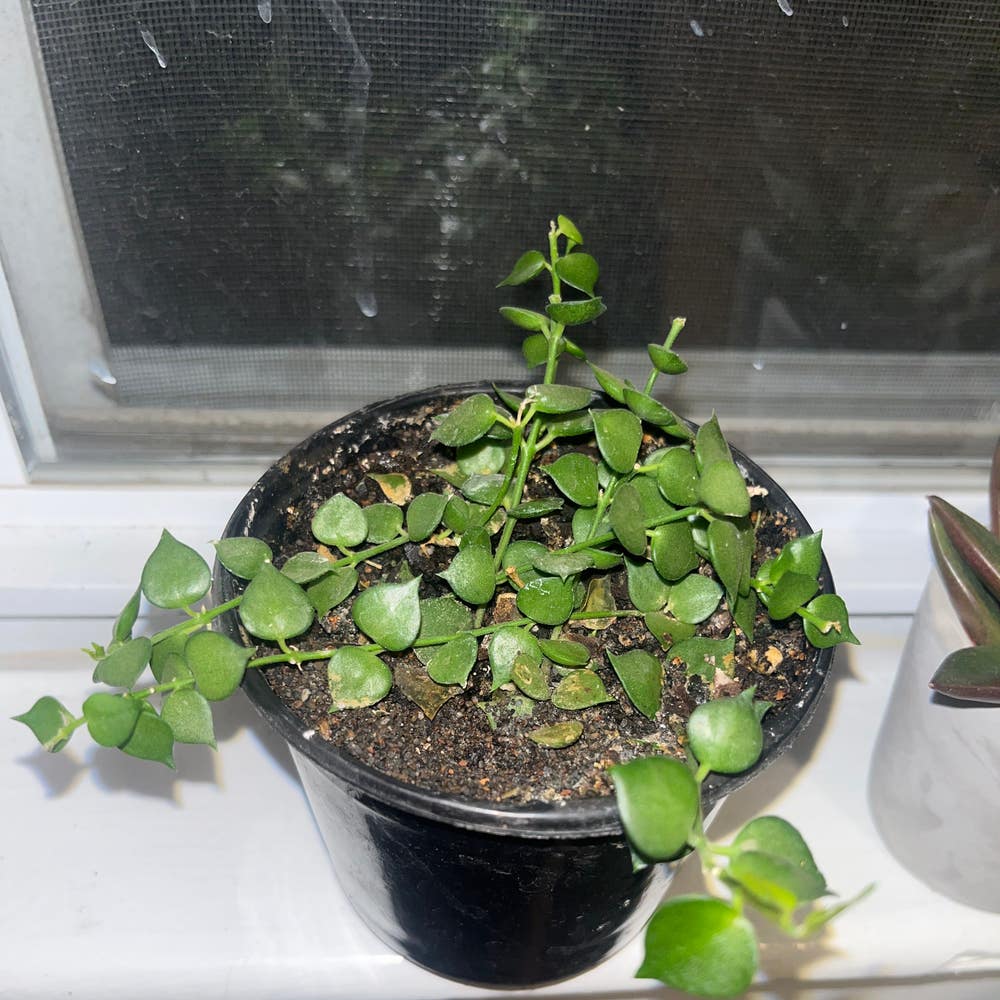
What Do I Do About Million Hearts Root Rot?
Dischidia ruscifolia
By the Greg Editorial Team
Jun 18, 2024•4 min read
This article was created with the help of AI so we can cover more plants for you. May contain errors. See one? Report it here.
Rescue your Million Hearts from root rot with these essential detection and care tips! 🌿🚑
- Yellow leaves and foul odor signal Million Hearts root rot.
- Remove rotten roots, repot with fresh soil for treatment.
- 🌱 Prevent with well-draining pots/soil and balanced watering.
Spotting the Red Flags: Symptoms of Root Rot in Million Hearts
🟨 Yellowing Leaves and Wilting: The Plant's Distress Call
When your Million Hearts plant starts sporting yellow leaves or begins to wilt, it's not trying to keep up with autumn trends. These are distress signals, and they demand your attention. Overwatering is often the culprit, but don't rule out other villains like underwatering or nutrient deficiencies.
👃 Sniff Test: The Soil's Scream for Help
Trust your nose—if the soil smells like it's fermenting its own compost, you've got a problem. A foul odor is the soil's scream for help, indicating that decay is setting in. Don't ignore it; your plant's life could depend on your olfactory investigation.
👀 Checking the Roots: Visual and Tactile Clues
Get up close and personal with the roots. If they feel like they've been through a spa day gone wrong—mushy and dark—that's bad news. Healthy roots should be firm and white. If they resemble overcooked noodles, it's time to take action against root rot.

Immediate Response: Treating Root Rot in Million Hearts
🕵️ Unearthing the Problem
Inspect your Million Hearts plant by gently removing it from its pot. Brush off the soil to expose the roots. Healthy roots are firm and white; if they're brown, mushy, or smell bad, it's root rot. With sterilized scissors, cut away the rotten parts. It's like giving your plant a life-saving operation.
🌱 Soil Overhaul
After surgery, it's time for a fresh start. Discard the old, infected soil—don't just reuse it. Choose a well-draining mix for your Million Hearts. Think of it as moving your plant to a new, clean apartment. Repot with care, ensuring the remaining healthy roots have room to spread out.
💊 Fungicide to the Rescue
Sometimes, you need a little extra backup. If you've got a severe case on your hands, consider a fungicide dip for the remaining healthy roots. But don't get complacent; this isn't a silver bullet. Follow the product label to the letter, and remember, prevention beats cure any day.

Water Wisely: Balancing Moisture for Million Hearts
💧 Perfecting the Pour: How Much and How Often
Million Hearts plants demand a Goldilocks approach to watering—not too much, not too little. Start with a weekly schedule, adjusting based on your home's humidity and the plant's thirst cues. In the heat of summer, they'll likely need more frequent drinks, while in the cooler winter months, they'll want less.
🌱 Feeling the Soil: Techniques for Moisture Level Assessment
Forget the calendar; your plant doesn't care what day it is. Use your fingers to check the soil moisture a few centimeters down. If it's dry, it's time to water. Alternatively, a soil moisture meter can take the guesswork out of the equation, providing a digital readout to guide your watering decisions.
🌦 Adjusting to the Environment: Seasonal Watering Considerations
As the seasons shift, so should your watering strategy. Summer might call for increased hydration, while winter asks for restraint. Always be ready to adapt your routine to the current climate, indoor heating, and air conditioning, which can all affect soil moisture levels. Remember, your Million Hearts plant relies on you to mimic the natural ebbs and flows of its ideal habitat.

Defending Your Plant: Preventing Root Rot in Million Hearts
🌱 The Right Home: Choosing Pots and Soil for Drainage
Drainage holes are non-negotiable. Without them, you're basically asking for a root rot house party. Opt for pots that let excess water say goodbye as easily as it says hello. And the soil? It should be as loose as your morals on a Friday night—think a mix with plenty of perlite or sand.
🌿 Layering for Success: Using Gravel and Perlite to Improve Soil Structure
Imagine your pot's base layer as the unsung hero of drainage. A gravel bed is like the bouncer at the club, keeping the soggy troublemakers away from your plant's roots. Mix in some perlite too; it's like the VIP section where air and water mingle without getting too clingy.
🌼 Monitoring and Maintenance: Regular Check-Ups and Adjustments
Regular check-ups are the kale of plant care—absolutely essential. Feel your soil like you're searching for treasure; it should be moist but not wetter than a rainforest. Adjust your watering habits with the seasons because your plant's thirst changes with the weather. And always, always keep those drainage holes clear—they're the lifeline, not a decoration.
⚠️ Safety First
This content is for general information and may contain errors, omissions, or outdated details. It is not medical, veterinary advice, or an endorsement of therapeutic claims.
Always consult a qualified healthcare professional before using any plant as food, medicine, or supplement.
Never eat any plant (or feed one to pets) without confirming its identity with at least two trusted sources.
If you suspect poisoning, call Poison Control (800) 222-1222, the Pet Poison Helpline (800) 213-6680, or your local emergency service immediately.
Spotted an error? Please report it here.
Revive your Million Hearts from root rot and keep it thriving with Greg's custom watering reminders 💧, ensuring perfect moisture levels to prevent future woes.