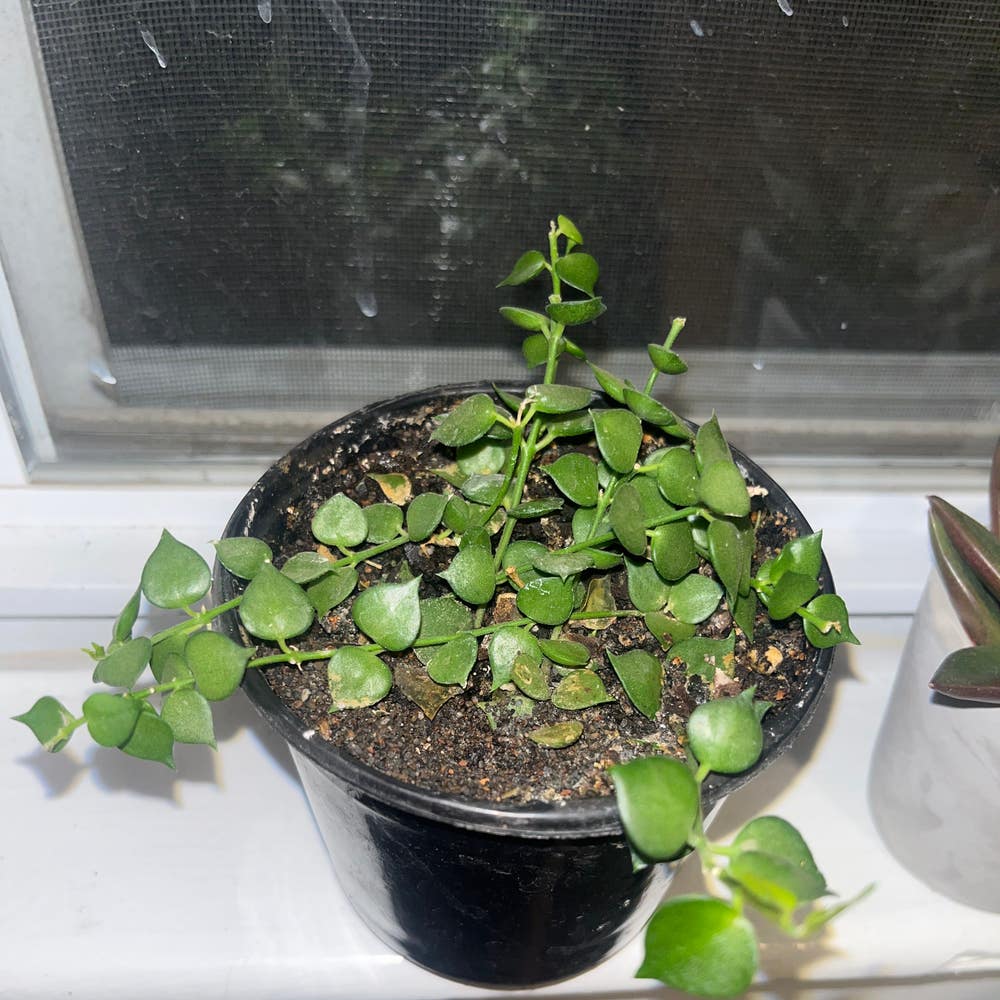
💖 When to Plant: Million Hearts
Dischidia ruscifolia
By the Greg Editorial Team
Sep 28, 2024•11 min read
This article was created with the help of AI so we can cover more plants for you. May contain errors. See one? Report it here.
Unlock vibrant blooms for Million Hearts 🌱 by mastering frost dates and soil temperature for optimal growth!
- ❄️ Plant Million Hearts after the last frost date for optimal growth.
- 🌡️ Ideal soil temperature for planting is between 65°F and 75°F (18°C to 24°C).
- 🌞 12 to 14 hours of daylight are crucial for Million Hearts' flowering and growth.
Importance of Frost Dates
🌨️ Understanding Frost Dates
Frost dates are crucial for gardeners, marking the last spring frost and the first fall frost. Knowing these dates helps you plan when to plant Million Hearts, ensuring they thrive.
❄️ Impact of Frost on Million Hearts
Million Hearts are particularly sensitive to frost. Exposure can damage or even kill the plant, making it essential to plant only after the last frost date.
📍 Finding Local Frost Dates
To determine your local frost dates, start with the USDA Plant Hardiness Zone Map. This resource provides valuable insights based on your specific region.
You can also consult local agricultural extension services. They offer tailored information and advice, helping you make informed planting decisions.
📅 Summary
Understanding frost dates is vital for successful Million Hearts cultivation. By planting after the last frost, you set the stage for healthy growth and vibrant blooms.
Next, let’s explore how soil temperature plays a critical role in the planting process.
Soil Temperature Considerations
Ideal Soil Temperature for Million Hearts 🌱
For Million Hearts to thrive, the ideal soil temperature ranges from 65°F to 75°F (18°C to 24°C). This warm environment is crucial for promoting healthy growth and robust root systems.
Methods to Check Soil Temperature 🌡️
To ensure your soil is at the right temperature, consider using a soil thermometer. This handy tool provides accurate readings, helping you determine the best time for planting.
Timing for Soil Warming in Spring ⏰
Timing is everything when it comes to soil warming. As spring progresses, keep an eye on the weather; soil temperatures typically rise as the days get longer and warmer.
Importance of Warm Soil 🔥
Warm soil is essential for seed germination and root development. Seeds planted in optimal temperatures are more likely to sprout quickly and establish strong roots, setting the stage for a healthy plant.
Understanding soil temperature is just one piece of the puzzle. Next, we’ll explore how day length influences the growth of Million Hearts.
Day Length and Growth
How Day Length Affects Million Hearts 🌞
Million Hearts thrive in longer daylight hours, ideally between 12 to 14 hours. This extended exposure to sunlight is crucial for their flowering and overall growth.
Importance of Day Length for Flowering 🌸
The right amount of daylight not only boosts growth but also enhances blooming. Without sufficient light, these plants may struggle to reach their full potential.
Seasonal Variations in Day Length 🌍
Day length varies significantly across regions and seasons. Understanding these differences is key to optimizing your planting schedule for Million Hearts.
Regional Considerations 🗺️
In northern areas, longer days in summer promote vigorous growth. Conversely, southern regions may experience shorter days in winter, affecting plant development.
By keeping an eye on day length, you can ensure your Million Hearts flourish beautifully. Next, let’s explore regional planting considerations to further refine your planting strategy.
Regional Planting Considerations
🌴 Florida
The optimal planting window for Million Hearts in Florida is from March to May. This timing takes advantage of the warm climate and minimal frost risk, allowing for robust growth.
Soil temperature is another crucial factor. Ensuring the soil is warm enough will support healthy seed germination and root development.
🌊 California
In California, the ideal planting window stretches from March to June. The state's varied climate zones, from coastal to inland, significantly influence this timing.
Local frost dates and soil temperature must be monitored closely. These factors can vary widely across the state, impacting when to plant.
🤠 Texas
Texas also sees an optimal planting window from March to May. The state's diverse climate zones necessitate careful consideration of local conditions.
Monitoring local frost dates is essential. This ensures that Million Hearts are planted at the right time for successful growth.
🍎 New York
For New York, the best time to plant is late May to June. This timing helps mitigate the risk of late spring frosts, which can be detrimental to young plants.
Soil temperature warming trends should also be observed. Warmer soil supports better germination and root establishment.
🏔️ Colorado
In Colorado, the recommended planting window is late May to June. High elevation climate considerations play a significant role in determining this timing.
It's crucial to monitor local frost dates and soil warming. These factors will help ensure a successful planting season.
🌽 Ohio
Ohio's optimal planting window runs from late April to June. The risk of frost in early spring makes timing particularly important.
Regular soil temperature checks are advisable. This ensures that conditions are right for planting Million Hearts, leading to healthier plants.
Understanding these regional nuances is key to successful planting. With the right timing and conditions, Million Hearts can thrive across various climates.
Seed Starting Techniques
🌱 Indoor Seed Starting vs. Direct Sowing
When it comes to starting your Million Hearts, you have two main methods: indoor seed starting and direct sowing. Indoor seed starting allows for earlier growth and shields your plants from unexpected frost, giving them a head start.
On the other hand, direct sowing is all about simplicity. It lets your plants acclimatize naturally to their environment, which can be beneficial for their overall resilience.
⏰ Timing Considerations for Indoor Seed Starting
For the best results, aim to start your seeds indoors 6 to 8 weeks before the last frost date. This timing ensures that your plants are ready to thrive as soon as the weather warms up.
To achieve successful indoor germination, provide warm temperatures and adequate light. These conditions are crucial for nurturing healthy seedlings that will flourish once transplanted.
🌍 Timing Considerations for Direct Sowing
If you prefer direct sowing, wait until after the last frost date when soil temperatures are optimal. This approach helps ensure that your seeds have the best chance of germinating successfully.
Don't overlook the importance of soil preparation before sowing. Properly prepared soil can significantly enhance seed germination and root development, setting your Million Hearts up for success.
With these techniques in mind, you're well on your way to cultivating a thriving garden. Next, let's explore the comprehensive planting guide that outlines optimal planting times across all 52 states.
Comprehensive Planting Guide
🌍 List of All 52 States and Optimal Planting Times
Understanding when to plant Million Hearts can vary significantly across the United States. Below is a detailed table outlining the optimal planting months for each state, taking into account local climate and frost dates.
| State | Optimal Planting Months |
|---|---|
| Alabama | March to May |
| Alaska | June to July |
| Arizona | March to June |
| Arkansas | March to May |
| California | March to June |
| Colorado | Late May to June |
| Connecticut | Late May to June |
| Delaware | Late April to June |
| Florida | March to May |
| Georgia | March to May |
| Hawaii | Year-round |
| Idaho | May to June |
| Illinois | Late April to June |
| Indiana | Late April to June |
| Iowa | Late April to June |
| Kansas | April to June |
| Kentucky | April to June |
| Louisiana | March to May |
| Maine | Late May to June |
| Maryland | Late April to June |
| Massachusetts | Late May to June |
| Michigan | Late May to June |
| Minnesota | Late May to June |
| Mississippi | March to May |
| Missouri | April to June |
| Montana | June to July |
| Nebraska | Late April to June |
| Nevada | March to June |
| New Hampshire | Late May to June |
| New Jersey | Late April to June |
| New Mexico | April to June |
| New York | Late May to June |
| North Carolina | March to May |
| North Dakota | June to July |
| Ohio | Late April to June |
| Oklahoma | March to May |
| Oregon | April to June |
| Pennsylvania | Late April to June |
| Rhode Island | Late May to June |
| South Carolina | March to May |
| South Dakota | June to July |
| Tennessee | March to May |
| Texas | March to May |
| Utah | April to June |
| Vermont | Late May to June |
| Virginia | March to May |
| Washington | April to June |
| West Virginia | April to June |
| Wisconsin | Late May to June |
| Wyoming | June to July |
📋 Summary of Key Factors for Successful Planting
To ensure a thriving Million Hearts garden, consider these critical factors:
- Frost Dates: Always plant after the last spring frost date to avoid damage.
- Soil Temperature: Aim for soil temperatures between 65°F and 75°F for optimal growth.
- Day Length: Longer daylight hours (12-14 hours) are essential for flowering and overall health.
Regional considerations play a vital role in determining the best planting times. By aligning your planting schedule with these factors, you set the stage for a successful and vibrant garden.
With this knowledge, you're well-equipped to make informed decisions about when to plant Million Hearts in your area. Next, let’s dive into effective seed starting techniques to maximize your gardening success!
⚠️ Safety First
This content is for general information and may contain errors, omissions, or outdated details. It is not medical, veterinary advice, or an endorsement of therapeutic claims.
Always consult a qualified healthcare professional before using any plant as food, medicine, or supplement.
Never eat any plant (or feed one to pets) without confirming its identity with at least two trusted sources.
If you suspect poisoning, call Poison Control (800) 222-1222, the Pet Poison Helpline (800) 213-6680, or your local emergency service immediately.
Spotted an error? Please report it here.
Plant your Million Hearts at the perfect time 🌱 with Greg's tailored reminders and soil temperature checks to ensure they flourish in your garden!