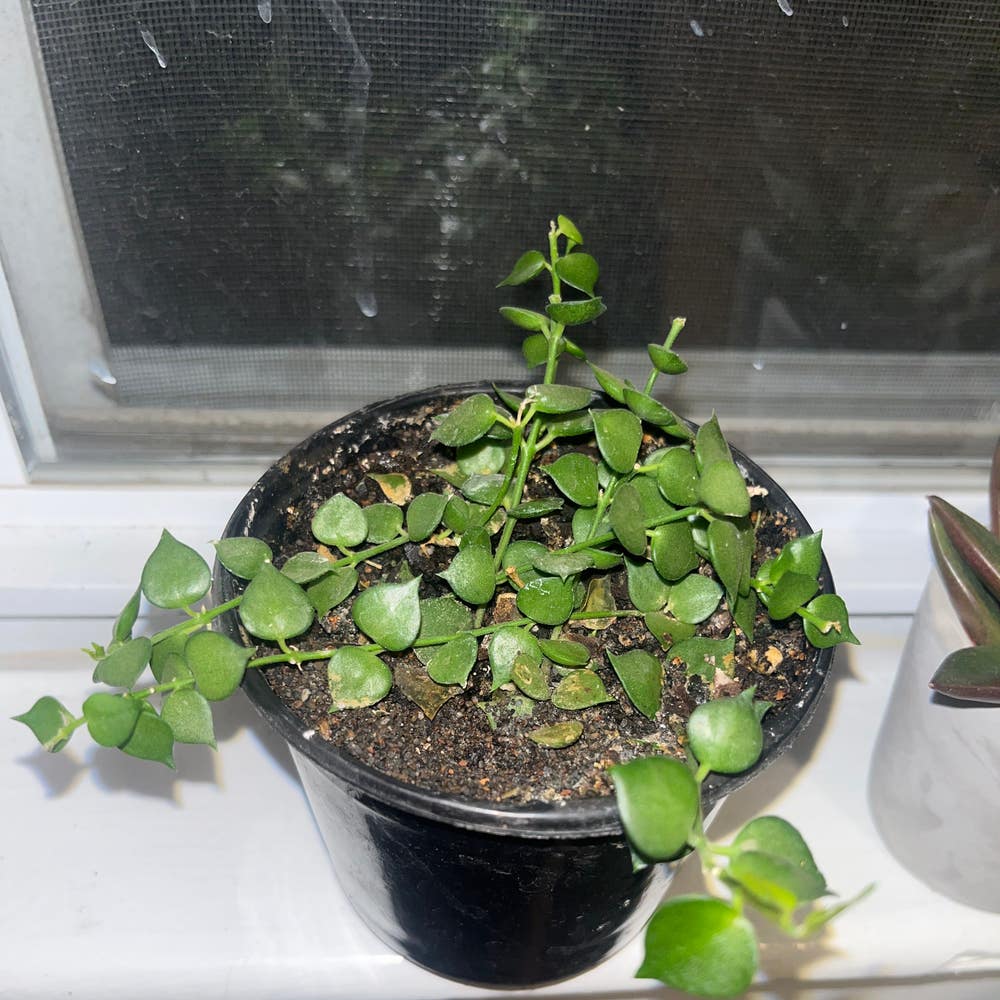
How Often Should I Water My Million hearts?
Dischidia ruscifolia
By the Greg Editorial Team
Jun 18, 2024•3 min read
This article was created with the help of AI so we can cover more plants for you. May contain errors. See one? Report it here.
Discover the secret to lush Million hearts 🌿 with our tailored watering guide—no more guesswork! 🚫💧
- Check soil dryness to know when to water Million Hearts.
- Adjust water with seasons: more in summer, less in winter.
- Pot size and soil type influence watering frequency.
Spot the Thirst: When to Water Your Million Hearts
💧 Soil Check: The First Clue
To determine when your Million Hearts needs water, start with a soil check. Insert a finger into the top inch of soil; if it feels dry, it's time to water. This tactile test beats guessing games.
🌿 Leaf Tells: Visual Signs of Water Needs
Keep an eye out for visual cues from your plant. Under-watered Million Hearts may exhibit dry, shriveled leaves. If you notice any wilting, it's a clear sign that your plant is parched and in need of hydration.

Perfecting the Pour: Watering Techniques for Million Hearts
💧 The Right Amount: How Much Water to Use
To nail the quantity of water for your Million hearts, think moderation. Half a cup every 7 days is a good rule of thumb. But remember, this isn't set in stone; adjust based on your plant's feedback.
💦 The Method Matters: Best Practices for Watering
Gentle rain is your model here. Pour slowly, targeting the soil rather than the leaves to avoid rot and disease. If you're feeling fancy, try bottom-up watering—let your plant sip what it needs from a tray below.
Lukewarm water is the way to go. It's like serving room temperature beer—just right. And if your tap water tastes like a swimming pool, let it sit out to de-chlorinate or use filtered water to avoid chemical stress on your plant.
Lastly, don't be afraid to use a moisture meter. It's like having a plant whisperer at your fingertips, guiding you to watering nirvana.

Seasonal Shifts: Adjusting Watering with the Calendar
:sun_with_face: Summer Soak: Watering in the Heat
Summer turns up the heat, and your Million hearts will feel the burn. During these months, the plant is in its growth spurt, demanding more water to fuel its lush, green ambitions. Increase watering frequency to keep pace with the plant’s thirst but avoid waterlogging. The goal is to maintain moist soil without crossing into the soggy zone.
:snowflake: Winter Wanes: Reducing Water in the Cold
When winter whispers its chilly tales, Million hearts slow down, entering a dormant phase. This is your cue to reduce watering. Let the soil dry out a bit more between sessions, as overwatering can lead to root rot—every plant's nightmare. Monitor soil moisture closely; your watering can should take a backseat to the natural humidity of the season.

The Balancing Act: Factors Influencing Watering Frequency
💡 Home Environment: Light and Humidity's Role
Indoor conditions are crucial when it comes to hydrating your Million hearts. Light intensity and duration directly impact how much water your plant guzzles. Too little light, and the water just sits there; too much, and you'll be refilling the watering can more often. Humidity is the silent player in this game. High humidity means less watering; think of it as nature's moisturizer for your plant. Conversely, dry air will have your Million hearts reaching for a drink more frequently.
🍽️ The Vessel's Voice: Pot Size and Soil Type Considerations
Pot size is a big deal. Small pots dry out faster, so they need more frequent watering. Large pots, on the other hand, are like a reservoir for moisture, requiring less frequent attention. But it's not just size that matters; it's also what's inside. The soil mix can make or break your watering routine. Fast-draining mixes will have you watering more often, while those that retain moisture will buy you some time between waterings. Remember, your Million hearts isn't just sitting pretty; it's living in a dynamic environment that you've created. Keep tabs on these factors, and you'll master the art of hydration.
⚠️ Safety First
This content is for general information and may contain errors, omissions, or outdated details. It is not medical, veterinary advice, or an endorsement of therapeutic claims.
Always consult a qualified healthcare professional before using any plant as food, medicine, or supplement.
Never eat any plant (or feed one to pets) without confirming its identity with at least two trusted sources.
If you suspect poisoning, call Poison Control (800) 222-1222, the Pet Poison Helpline (800) 213-6680, or your local emergency service immediately.
Spotted an error? Please report it here.
Ensure your Million Hearts plant stays perfectly hydrated 🌿 with Greg's custom reminders, tailored to your home's unique conditions and your plant's specific needs.