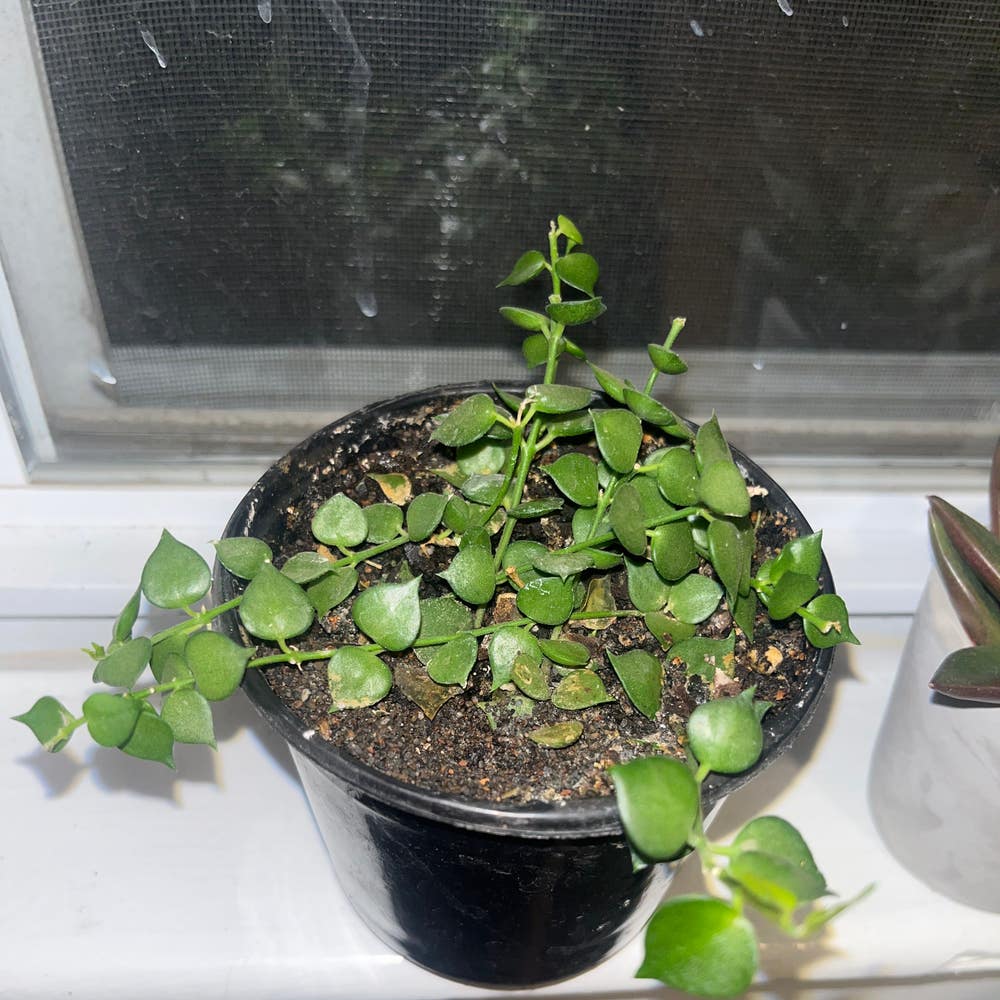
How to Prune Million hearts
Dischidia ruscifolia
By the Greg Editorial Team
Jun 18, 2024•5 min read
This article was created with the help of AI so we can cover more plants for you. May contain errors. See one? Report it here.
Prune your Million Hearts to perfection and unlock lush growth with expert tips! 🌿✂️
- 🌱 Prune in spring/summer for healthy growth; avoid extreme weather.
- ✂️ Use sharp, sterilized tools for clean cuts above leaf nodes.
- 🌿 Pinch tips, remove damaged foliage, and allow healing time post-prune.
Timing Your Trims: When to Prune Million Hearts
📅 Seasonal Smarts: Best times of year for pruning
Spring and summer are your Million Hearts' best friends when it comes to pruning. These seasons are like a green light for growth, signaling your plant to recover and flourish post-trim. Pruning outside this window, especially in winter, is like asking your plant to run a marathon with weights on—it's the dormant phase, and growth is on pause.
🌱 Growth Cues: Identifying when your plant is ready for a trim
Keep an eye out for new growth—it's your plant's way of saying, "I'm ready for a haircut." When you spot fresh leaves sprouting, it's time to grab those shears. Regular maintenance, like dead leaf removal, is fair game year-round, but save the major cuts for when your plant is in its active phase.
🌦️ Weather Watch: How environmental conditions play a role
Environmental conditions aren't just small talk; they're crucial for pruning success. Avoid pruning during extreme heat or cold snaps. These conditions stress your Million Hearts, making recovery from pruning a tough battle. Instead, aim for mild weather, when your plant can heal without fighting the elements.

Gear Up: Choosing Your Pruning Tools
🔪 Sharp Choices: The best tools for clean cuts
Pruning Million Hearts demands precision. Reach for sharp pruning shears or scissors; they're non-negotiable for making clean cuts. Think of them as your plant's personal surgeon—sharpness is a must. A sharpening stone keeps edges keen, ensuring each snip is a clean one.
🧼 Keeping it Clean: Importance of tool sterilization
Before you play garden doctor, sterilize your tools. Dunk them in isopropyl alcohol or a bleach solution to ward off microbial party crashers. It's like washing your hands before a meal—basic hygiene. Post-pruning, give your tools another clean sweep to prevent any future disease breakouts.

The Art of the Snip: Pruning Techniques for Million Hearts
🌱 Strategic Snipping: Where to cut for optimal growth
Pruning Million Hearts is less about random chops and more about strategic snipping. Always cut just above a leaf node, where the leaf attaches to the stem. This encourages new branches to grow, leading to a fuller plant. Avoid leaving long stubs; they're not just unsightly, they can become vectors for disease.
🌿 Shape It Up: Techniques for maintaining form and encouraging bushiness
To maintain the charming cascading form of Million Hearts, focus on encouraging bushiness. Pinch back the tips of the vines during the growing season. This simple action prompts the plant to branch out, creating a lush, dense appearance. Remember, it's about guiding growth, not stifling it.
🍂 Damage Control: Removing dead or damaged foliage
Spotting dead or damaged foliage is your cue to get snippy. Remove these sections first to prevent decay and disease from spreading. Make clean cuts to remove unwanted growth and keep your Million Hearts looking sharp. It's like giving your plant a fresh start, every time you prune.

Troubleshooting: Fixing Leggy and Overgrown Plants
🌱 Leggy Plant Blues: Identifying the problem
Leggy growth in Million Hearts plants screams for attention. Sparse leaves and elongated stems are tell-tale signs that your plant is stretching for light and not in a good way.
✂️ Rejuvenation Tactics: Pruning strategies for overgrown plants
Strategic pruning is your best friend here. Start by snipping off the lankiest stems, especially those that are out of character with the plant's overall shape. This encourages denser growth. If it's a jungle in there, thin out some of the inner branches to let light and air circulate better.
🌿 Aftercare: Post-pruning care tips
After giving your plant a haircut, don't neglect the follow-up. Ensure it gets adequate light—indirect but bright—and consider a slight uptick in watering to support recovery. Keep an eye out for pests; stressed plants can be more susceptible. And remember, patience is key; give your Million Hearts time to bounce back.
Pruning Pitfalls: Common Mistakes to Avoid
🌱 Overzealous Cuts: Why less can be more
In the realm of pruning Million Hearts, enthusiasm can be your downfall. Trimming should be about maintenance, not reinvention. Cutting back more than a third of the plant can send it into shock, stunting growth and vitality. It's a delicate balance between fostering growth and preserving the plant's existing structure.
🕰 Timing Terrors: When pruning can do more harm than good
Timing is everything. Prune during the growing season, typically spring or early summer, to ensure rapid recovery. Snipping away during dormancy or the plant's rest period can lead to unnecessary stress and hindered growth. Remember, the goal is to enhance, not to set back the clock on your plant's progress.
💪 Healing Time: Allowing your plant to recover
Post-trim, Million Hearts needs a period of healing. Overlooking this can lead to a weakened plant susceptible to disease. Provide the right conditions—adequate water, light, and a break from further pruning—to support recovery. Watch for signs of distress, and if they appear, ease up on future pruning to let the plant regain its strength.
⚠️ Safety First
This content is for general information and may contain errors, omissions, or outdated details. It is not medical, veterinary advice, or an endorsement of therapeutic claims.
Always consult a qualified healthcare professional before using any plant as food, medicine, or supplement.
Never eat any plant (or feed one to pets) without confirming its identity with at least two trusted sources.
If you suspect poisoning, call Poison Control (800) 222-1222, the Pet Poison Helpline (800) 213-6680, or your local emergency service immediately.
Spotted an error? Please report it here.
Ensure your Million Hearts thrives with strategic snips by using Greg's timely pruning reminders 🌿, keeping your plant lush and healthy all season long.