💖 4 Tips for Selecting the Best Pot for Million Hearts
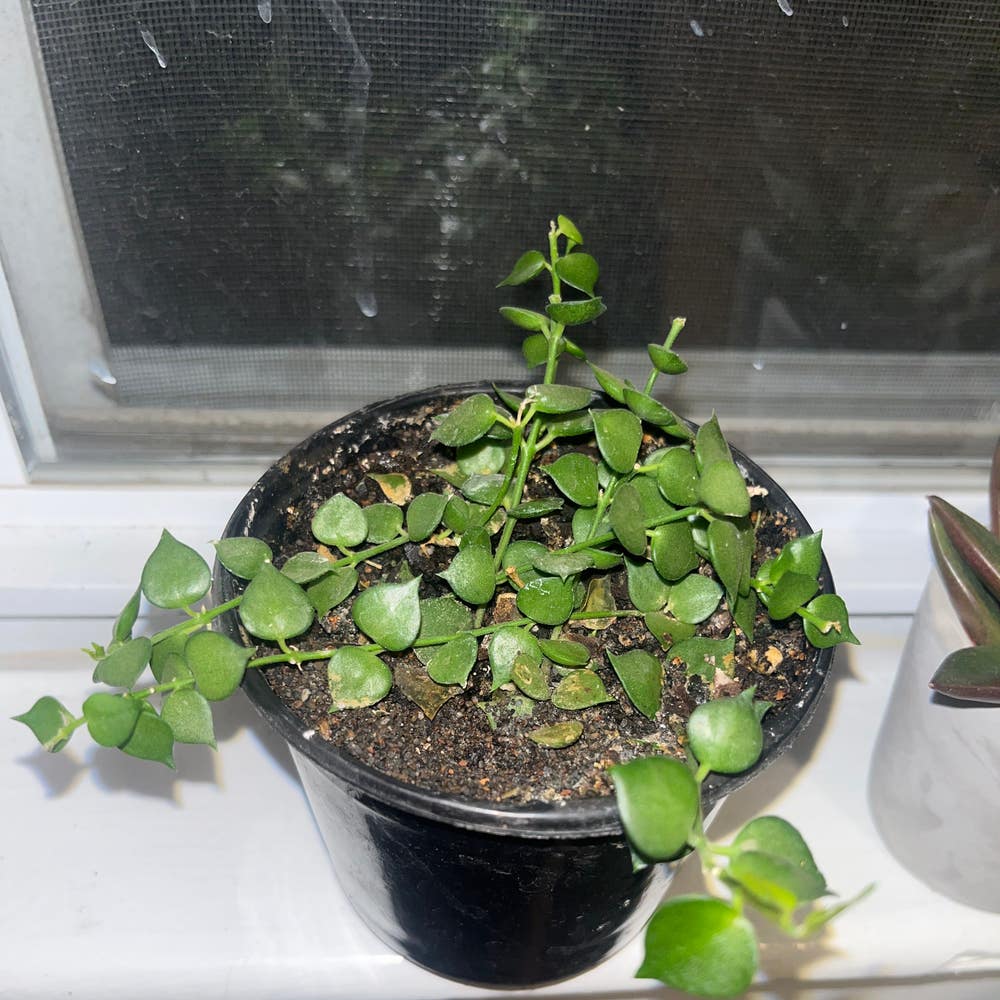
Dischidia ruscifolia
By the Greg Editorial Team
Sep 28, 2024•5 min read
This article was created with the help of AI so we can cover more plants for you. May contain errors. See one? Report it here.
Maximize your plants' growth 🌱 by mastering the right pot sizes and materials for every stage of their life!
- 🌱 Choose pots 4-6 inches for seedlings; larger pots for mature plants ensure healthy growth.
- 🧱 Clay pots enhance air circulation, while plastic pots are lightweight and moisture-retaining.
- 🔄 Repot every 1-2 years; spring is ideal for transitioning to larger pots.
Pot Sizes for Different Growth Stages
Recommended Sizes for Seedlings 🌱
For young plants, a pot size of 4-6 inches in diameter is ideal. Starting small encourages robust root development, allowing seedlings to establish themselves effectively.
Ideal Sizes for Mature Plants 🌳
As plants mature, they need more space. A pot size of 10-12 inches in diameter is recommended for fully grown plants, but larger varieties may require even bigger pots.
Importance of Space for Root Expansion 🌍
Providing adequate space for root expansion is crucial as the plant grows. This prevents root-bound conditions, ensuring your plants thrive throughout their life cycle.
Transitioning to the right pot size at each growth stage is essential for healthy plant development. Next, let’s explore the ideal pot materials that can enhance your gardening experience.
Ideal Pot Materials
Benefits of Clay Pots 🌱
Clay pots are a gardener's best friend due to their porous nature. This feature enhances air circulation and moisture control, creating an ideal environment for your plants.
Additionally, clay pots bring a rustic aesthetic to indoor settings. Their natural look can complement any decor, making them a popular choice for plant enthusiasts.
Advantages of Plastic Pots 🪴
Plastic pots are lightweight and easy to move, which is perfect for indoor gardening. Their affordability and availability in various sizes make them accessible for all gardeners.
Moreover, plastic pots retain moisture well, reducing the frequency of watering. This can be a game-changer for busy individuals or those new to plant care.
Comparison of Other Materials 🏺
Ceramic pots are undeniably attractive but can be heavy and prone to cracking. While they add elegance to your space, consider their weight if you plan to move them around.
Metal pots offer good drainage but can heat up quickly, potentially harming root health. If you choose metal, keep an eye on temperature fluctuations to ensure your plants thrive.
In summary, selecting the right pot material is crucial for your plants' health and your gardening experience. Each option has its pros and cons, so consider your specific needs and preferences when making a choice.
Next, let's explore the importance of drainage in pot selection to ensure your plants flourish.
Importance of Drainage
🌧️ Role of Drainage Holes in Pot Selection
Drainage holes are a must-have for any pot, especially if you're nurturing sensitive plants. They prevent overwatering and root rot, which can be devastating for your green friends.
Aim for at least 3-4 drainage holes to ensure optimal water management. This simple feature can make all the difference in keeping your plants healthy and thriving.
🚰 How to Ensure Proper Drainage
Choosing the right potting mix is crucial for promoting drainage. Consider mixing in perlite or sand to enhance airflow and moisture control.
Additionally, adding a layer of gravel at the bottom of the pot can provide extra drainage support. This small step can help prevent water from pooling and safeguard your plants' roots.
With proper drainage in place, your plants will have the best chance to flourish. Next, let's explore when to repot your plants for continued growth and health.
When to Repot
🌱 Signs That Repotting is Needed
Recognizing when to repot your plants is crucial for their health. If you notice roots growing out of the drainage holes or circling the pot, it's a clear sign that your plant is root-bound.
Stunted growth, even with proper care, can also indicate that your plant needs more space. This means it’s time to consider a larger pot to give those roots room to thrive.
⏰ Timing for Repotting Based on Growth Stages
The best time to repot is during the growing season, typically in spring or early summer. This timing allows your plant to adjust and flourish in its new environment.
For mature plants, aim to repot every 1-2 years. Regular repotting ensures that your plants continue to grow strong and healthy, adapting to their changing needs over time.
With these signs and timing in mind, you can keep your plants happy and thriving. Next, let’s explore how to choose the right pot when repotting.
Choosing the Right Pot When Repotting
🏺 Factors to Consider When Selecting a New Pot
When it's time to repot, size matters. Opt for a pot that is 1-2 inches larger in diameter than the current one to give your plant room to grow.
Material is another key factor. Think about your plant's indoor environment and its moisture needs, as different materials can affect water retention and air circulation.
🌱 Tips for Transitioning to a Larger Pot
- Prepare the new pot with fresh potting mix to provide a nutrient-rich environment.
- Gently remove the plant from its old pot, being careful not to damage the roots during the process.
- Place the plant in the center of the new pot and fill with soil, ensuring it has proper support.
- Water thoroughly to help settle the soil and eliminate any air pockets that could hinder root growth.
By following these steps, you'll set your plant up for success in its new home. Transitioning to a larger pot not only supports growth but also enhances the overall health of your plant.
Next, let’s explore the signs that indicate when it’s time to repot your plants.
⚠️ Safety First
This content is for general information and may contain errors, omissions, or outdated details. It is not medical, veterinary advice, or an endorsement of therapeutic claims.
Always consult a qualified healthcare professional before using any plant as food, medicine, or supplement.
Never eat any plant (or feed one to pets) without confirming its identity with at least two trusted sources.
If you suspect poisoning, call Poison Control (800) 222-1222, the Pet Poison Helpline (800) 213-6680, or your local emergency service immediately.
Spotted an error? Please report it here.
Choose the perfect pot for your Million Hearts 🌱 with Greg's tailored tips that guide you through every step of pot selection and repotting for thriving plants!