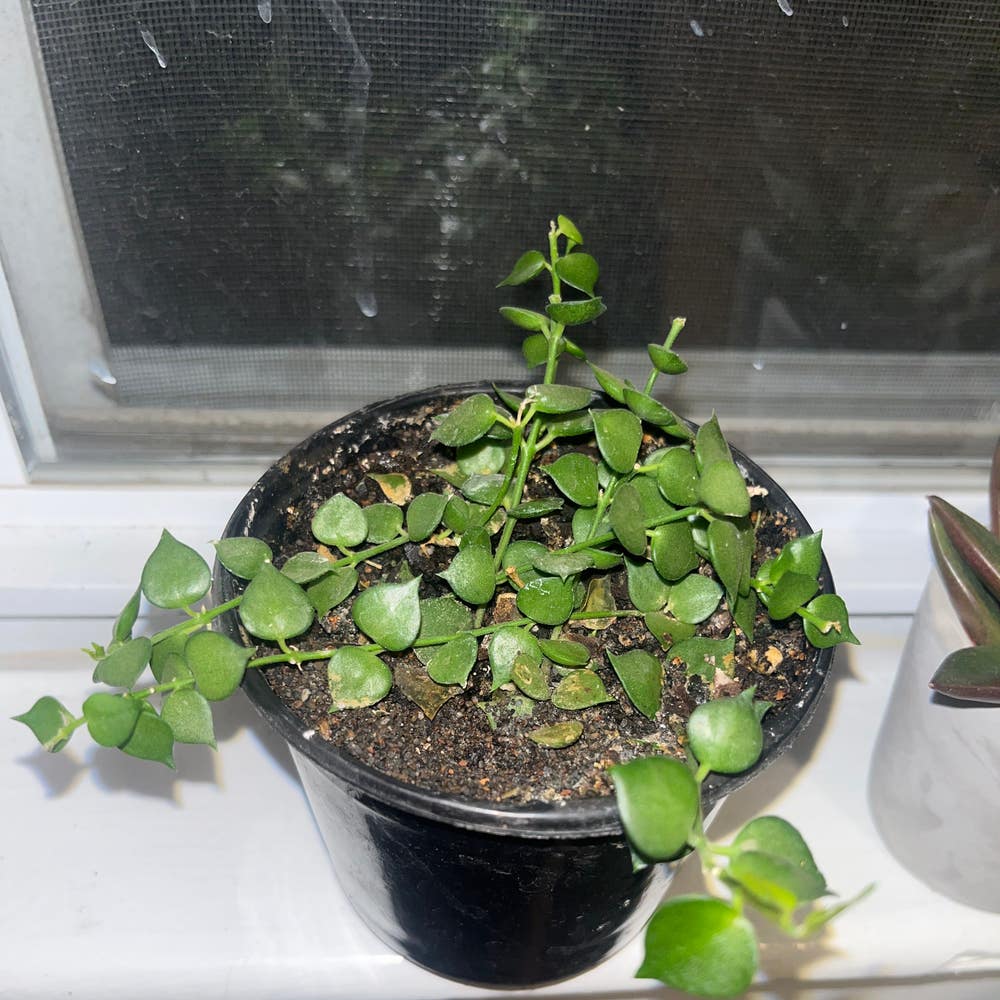
Why Are There Black Spots on My Million hearts Leaves?
Dischidia ruscifolia
By the Greg Editorial Team
Jun 18, 2024•4 min read
This article was created with the help of AI so we can cover more plants for you. May contain errors. See one? Report it here.
Banish black spots 🕵️♂️ and keep your Million hearts plant thriving with expert care tips! 🌿
- Fungal/Bacterial infections cause black spots; concentric rings signal severity.
- Prune and isolate affected plants; use copper-based treatments as needed.
- Maintain environment with proper humidity, light, and watering for plant health.
Spotting the Culprit: Identifying Black Spots
🕵️♂️ Visual Inspection Tips
Black spots on your Million hearts plant are not just a decorative quirk; they're a cry for help. Fungal spots vary in shape and may have a crusty texture, while bacterial spots often appear water-soaked, like a drenched napkin. Flip the leaves; the undersides may reveal the early stages of an invasion. A magnifying glass can be a game-changer, bringing subtle differences into focus.
When to Worry
It's time to worry when black spots are more than just a minor blemish. If you see spots with concentric rings or they're accompanied by holes, your plant's health is at risk. These signs indicate that the problem is progressing and could potentially harm your plant beyond those unsightly marks.

First Response: Immediate Actions to Take
🌿 Pruning and Isolation
Pruning is not just a haircut for your plant; it's a life-saving surgery. With sterilized scissors in hand, snip away those black-spotted leaves. Be ruthless but precise—think of yourself as a surgeon removing only the damaged tissue. Once the affected parts are gone, quarantine your Million hearts like it's Patient Zero. A separate space with good light and airflow will do just fine.
🧼 Cleaning Up
After playing plant doctor, cleanliness is your next commandment. Disinfect your tools with either a bleach solution or rubbing alcohol to prevent any fungal or bacterial encore. And don't just toss those infected leaves in the trash—think of them as biohazards that need secure disposal. Remember, the cleaner the aftermath, the brighter the future for your green buddy.

Battling the Blight: Treating Black Spots
🍄 Fungicide Friends
When fungal foes attack your Million hearts, reaching for a fungicide isn't just smart—it's essential. Copper-based fungicides are the heavy hitters in this game. They're not just effective; they're proactive defenders. Apply them preventively, and you might just stop those black spots before they start their dirty work.
🏆 Choosing Your Champion
Pick a fungicide like you'd pick a chess piece—strategically. Potassium bicarbonate changes the pH on the leaf surface, dehydrating the spores. For a more aggressive approach, products containing chlorothalonil or copper compounds pack a punch against persistent infections. But remember, it's not a free-for-all. Read the label and use as directed to avoid collateral damage to your plant.
🌿 Application Mastery
Apply with precision. Overuse is a no-go. Rotate your fungicides to keep the pathogens guessing and resistance at bay. Think of it as keeping your enemies on their toes—never let them get comfortable.
💥 Bacterial Busters
If bacteria are behind the black spots, it's time to switch gears. Copper-based bactericides are your first line of defense. They're like the secret service of plant protection—silent but deadly to bacteria. Use them early to stop the spread, and keep your plant's leaves as dry as possible during watering to prevent future bacterial parties.
🧼 Keeping It Clean
Remember, cleanliness is next to godliness in the plant world. Keep your tools and the surrounding area spotless to prevent bacteria from throwing a comeback tour. It's not just about aesthetics; it's about the health of your green buddy.

Environmental Equilibrium: Adjusting Plant Care
💡 Perfecting the Environment
Humidity and temperature are the twin pillars of a stable environment for your Million hearts plant. Aim for a steady climate, avoiding drastic fluctuations that can stress the plant and lead to those unsightly black spots.
Light is another critical factor; your plant thrives in bright, indirect sunlight. Direct rays can be harsh, so think of diffused light as the plant's preferred sunscreen.
🚰 Water Wisdom
Watering your Million hearts plant is less about sticking to a strict schedule and more about observing the soil's moisture. Overwatering is a common misstep, leading to root rot and black spots, while underwatering can leave your plant parched and vulnerable.
Adjust your watering habits with the seasons; plants typically need less in the cooler months and more as the mercury rises. Use a finger test or a moisture meter to gauge when it's time for a drink.
Keeping It Spotless: Prevention Strategies
🕵️ Routine Inspections
Regular check-ups are like the pulse checks for your Million hearts plant. Spot the first signs of trouble and you're already halfway to keeping your plant spotless. Inspect leaves during your daily unwind or while sipping your morning coffee; make it a ritual.
💨 Airflow and Spacing
Air circulation is not just a breeze; it's a lifeline. Keep your Million hearts in a space where air moves freely, but avoid the chill of direct drafts. Think of it as setting up a dance floor—space is essential for good moves and good health.
⚠️ Safety First
This content is for general information and may contain errors, omissions, or outdated details. It is not medical, veterinary advice, or an endorsement of therapeutic claims.
Always consult a qualified healthcare professional before using any plant as food, medicine, or supplement.
Never eat any plant (or feed one to pets) without confirming its identity with at least two trusted sources.
If you suspect poisoning, call Poison Control (800) 222-1222, the Pet Poison Helpline (800) 213-6680, or your local emergency service immediately.
Spotted an error? Please report it here.
Prevent black spots on your Million hearts with Greg's custom care alerts 🛡️, ensuring a healthy plant through early detection and precise care recommendations.