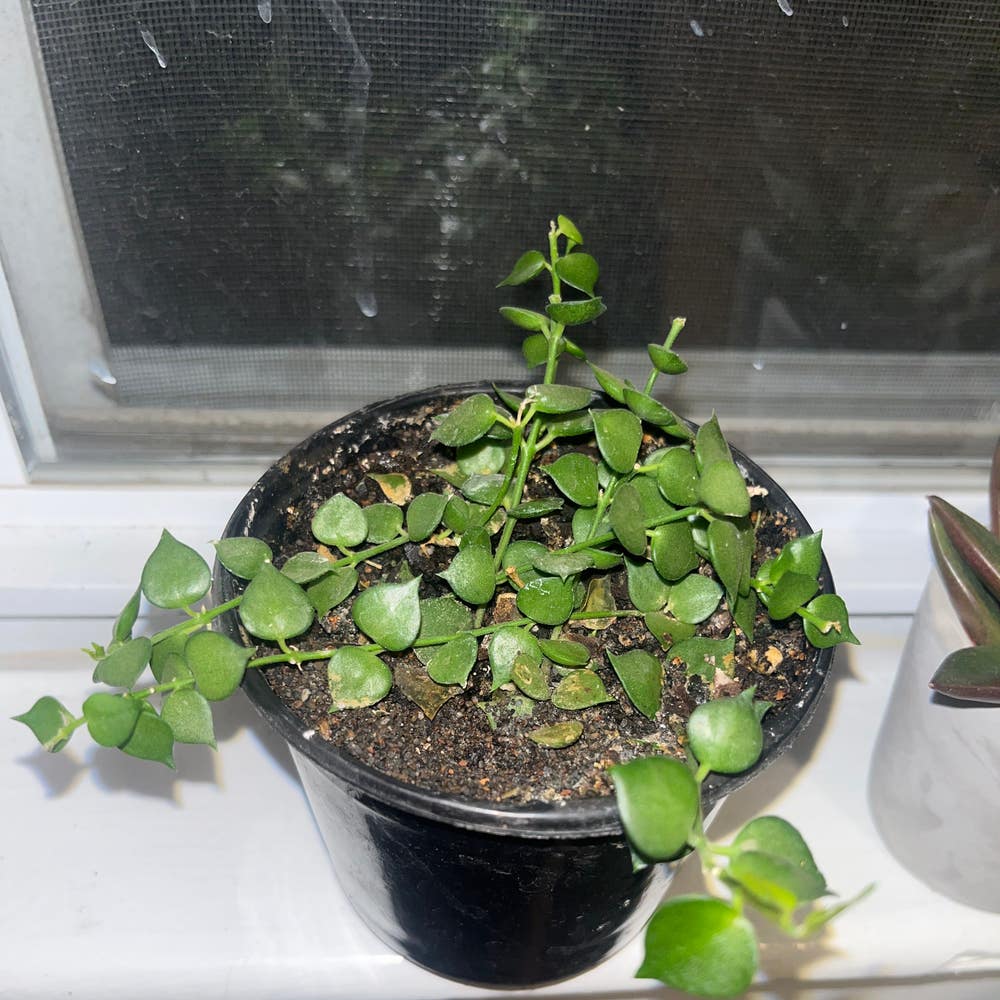
❤️ 4 Indoor Million Hearts Care Hacks
Dischidia ruscifolia
By the Greg Editorial Team
Sep 28, 2024•6 min read
This article was created with the help of AI so we can cover more plants for you. May contain errors. See one? Report it here.
Unlock the secret to a thriving Million Hearts plant with essential care tips for light, water, and more! 🌱
- 🌞 Million Hearts thrive in bright, indirect sunlight; low light leads to leggy growth.
- 💧 Water when soil feels dry; check moisture 1-2 inches deep for best results.
- 🌿 Maintain 50-70% humidity and optimal temperatures for healthy Million Hearts growth.
Light Requirements
Ideal Conditions for Growth 🌱
For your Million Hearts plant to thrive, it needs bright, indirect sunlight. While it can adapt to low light, be aware that this may slow its growth.
Effects of Low Light 🌑
Low light can lead to leggy growth, smaller leaves, and a loss of variegation. Over time, this weakens the plant, making it more vulnerable to pests.
Role of Grow Lights 💡
If your space lacks natural light, consider using grow lights, especially during winter months. Full-spectrum LED grow lights are the best choice, and they should be placed 12-24 inches above the plant for optimal coverage.
By ensuring your Million Hearts receives the right light conditions, you set the stage for a healthy, vibrant plant. Next, let’s explore its watering needs to keep it flourishing.
Watering Needs
💧 How to Determine When to Water
To keep your Million Hearts thriving, checking soil moisture is key. Simply insert your finger 1-2 inches into the soil; if it feels dry, it’s time to water.
Typically, you'll want to water every 1-2 weeks, but this can vary based on your home's conditions. Factors like humidity and temperature can affect how quickly the soil dries out.
🚫 Signs of Overwatering and Underwatering
Overwatering can lead to yellowing leaves, mushy stems, and even root rot. If you notice these symptoms, it’s crucial to adjust your watering routine immediately.
On the flip side, underwatering shows up as wilting leaves, crispy edges, and stunted growth. Keeping an eye on these signs will help you maintain a healthy plant.
By mastering your watering technique, you’ll set the stage for a flourishing Million Hearts. Next, let’s explore the optimal humidity and temperature conditions for your plant's growth.
Humidity and Temperature
🌬️ Optimal Humidity Levels
Maintaining the right humidity is crucial for your Million Hearts plant. Aim for a range of 50-70% humidity to keep it thriving.
To boost humidity, consider using pebble trays filled with water, running a humidifier, or simply grouping your plants together. These methods create a microclimate that helps your plant flourish.
🌡️ Temperature Range for Healthy Growth
The ideal temperature for your Million Hearts is between 65°F to 80°F (18°C to 27°C). This range promotes healthy growth and vibrant foliage.
Be mindful of temperature extremes. Protect your plant from drafts and sudden changes, as these can stress it and hinder its development.
With the right humidity and temperature, your Million Hearts will be well on its way to thriving. Next, let’s explore the best soil and fertilization practices to keep your plant healthy and happy.
Soil and Fertilization
Best Soil Types 🌱
For your Million Hearts plant, a well-draining potting mix is essential. Combine peat moss and perlite to create a light, airy substrate that promotes healthy root growth.
The ideal pH for this plant ranges from slightly acidic to neutral, specifically between 6.0 and 7.0. This balance ensures that nutrients are readily available for your plant's needs.
Fertilization Schedule 📅
During the growing season, fertilize your Million Hearts every 4 to 6 weeks. This regular feeding helps support vibrant growth and lush foliage.
You can choose between a balanced liquid fertilizer or slow-release granules. Both options provide essential nutrients, but liquid fertilizers offer quicker absorption, while granules release nutrients gradually.
By maintaining the right soil and fertilization routine, you set the stage for a thriving Million Hearts plant. Next, let’s explore how humidity and temperature play a crucial role in its overall health.
Common Issues and Solutions
🐛 Pests and Diseases
Indoor plants can face a variety of pests and diseases that threaten their health. Being proactive is key to keeping your Million Hearts thriving.
Common Pests
- Spider Mites: Look for webbing and stippled leaves as telltale signs. These tiny pests can quickly multiply if not addressed.
- Mealybugs: Identified by cotton-like clusters on stems and leaves, they can weaken your plant's vitality.
Prevention and Treatment
Regular inspections are crucial. Check your plants weekly for any signs of pests to catch issues early.
For treatment, consider using:
- Neem Oil: A natural pesticide that disrupts pest life cycles.
- Insecticidal Soap: Effective against soft-bodied insects.
- Damp Cloth: Wipe leaves to remove pests manually.
🌪️ Environmental Stress
Plants can also experience stress from their environment, which can manifest in various ways. Recognizing these signs early can help you maintain a healthy plant.
Signs of Stress
- Leaf Curling: This often indicates low humidity or excessive light exposure.
- Leaf Drop: Sudden changes in the environment can lead to this distress signal.
Solutions for Maintaining Ideal Conditions
Adjusting your plant's environment can alleviate stress.
- Adjusting Light Exposure: If your plant is curling, consider moving it to a brighter or shadier spot.
- Increasing Humidity: Use a humidifier or mist the leaves regularly to create a more favorable atmosphere.
By staying vigilant and responsive to your plant's needs, you can ensure it remains healthy and vibrant. Next, let’s explore the best practices for placement and maintenance to further enhance your indoor gardening experience.
Placement and Maintenance
🌅 Best Locations in the Home
For optimal growth, place your Million Hearts near east or west-facing windows. This positioning provides bright, indirect sunlight, which is essential for healthy development.
Avoid areas with direct sunlight or extreme temperature fluctuations. These conditions can stress the plant and hinder its growth.
🚫 Avoiding Drafts and Heat Sources
Keep your plant away from air conditioning vents, heaters, and drafty windows. Sudden temperature changes can shock the plant, leading to poor health.
Creating a stable environment is key to maintaining your Million Hearts' vitality.
✂️ Maintaining Appearance
Pruning and Cleaning Leaves
Prune your plant as needed to remove dead or yellowing leaves. This not only improves appearance but also encourages new growth.
To keep the leaves dust-free, wipe them with a damp cloth regularly. Clean leaves can photosynthesize more effectively, promoting overall health.
Tips for Promoting Bushy Growth
To encourage a bushier appearance, pinch back the tips of stems. This simple technique stimulates branching and creates a fuller plant.
Additionally, rotate your Million Hearts regularly. This ensures even light exposure, helping all sides grow uniformly.
With the right placement and maintenance, your Million Hearts will thrive beautifully. Next, let’s explore how to tackle common issues and their solutions.
⚠️ Safety First
This content is for general information and may contain errors, omissions, or outdated details. It is not medical, veterinary advice, or an endorsement of therapeutic claims.
Always consult a qualified healthcare professional before using any plant as food, medicine, or supplement.
Never eat any plant (or feed one to pets) without confirming its identity with at least two trusted sources.
If you suspect poisoning, call Poison Control (800) 222-1222, the Pet Poison Helpline (800) 213-6680, or your local emergency service immediately.
Spotted an error? Please report it here.
Transform your Million Hearts into a lush masterpiece 🌿 by using Greg's tailored care tips and reminders to keep your plant thriving in optimal conditions!