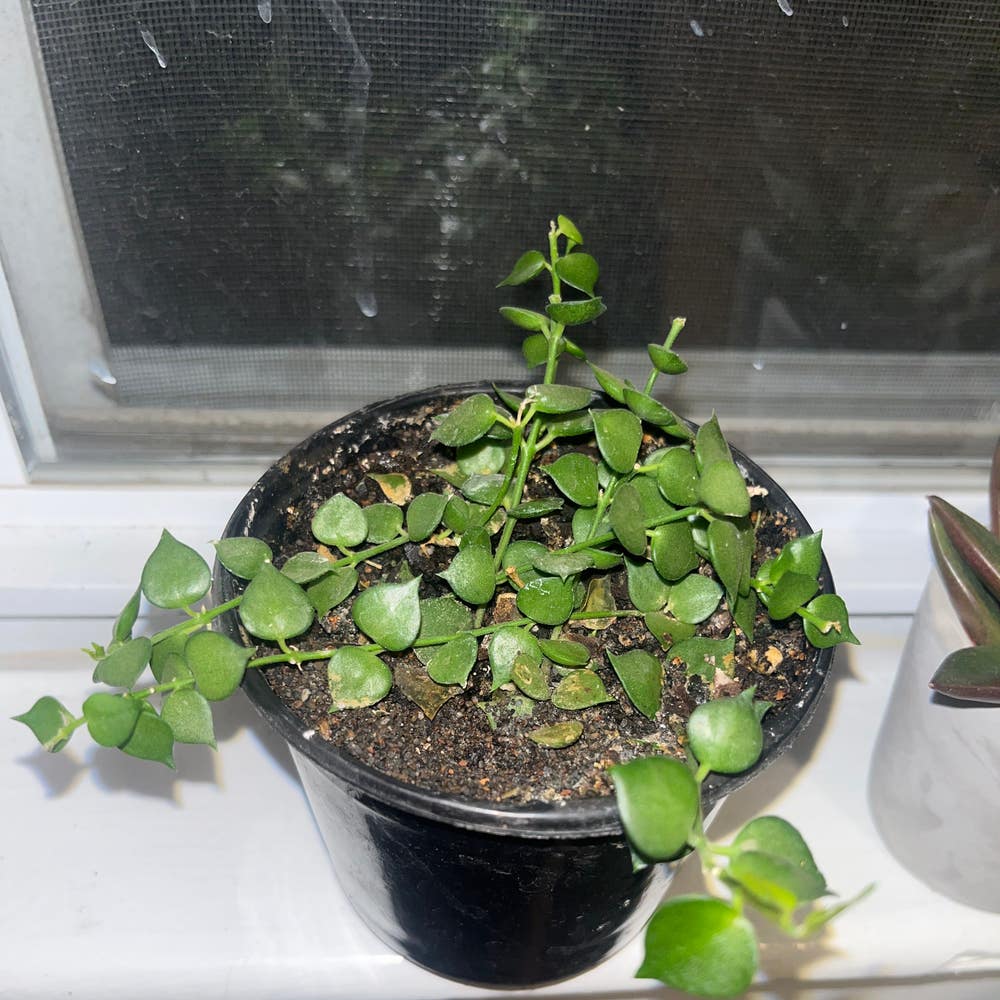
💧 Why Are My Million hearts Leaves Droopy?
Dischidia ruscifolia
By the Greg Editorial Team
Jun 18, 2024•5 min read
This article was created with the help of AI so we can cover more plants for you. May contain errors. See one? Report it here.
Rescue your wilting Million hearts 🌿 with expert tips for a vibrant, upright comeback!
- Droopy leaves and black dots signal Million hearts plant stress.
- Watering consistency is key, but adjust with the seasons.
- Bright, indirect sunlight and 65°F-85°F for ideal growth.
Spotting the Signs of Distress
Identifying droopy leaves and other symptoms of stress in your Million hearts plant is crucial for its recovery. Look out for discoloration, such as yellowing or browning, which can indicate various issues from water stress to nutrient deficiencies. Puffiness in leaves or black dots are also red flags that should prompt immediate attention.
🚨 Quick Checks for Urgency
To gauge the severity of your plant's condition, perform a few simple checks. Soft, mushy stems or a sudden increase in leaf drop are serious symptoms that require prompt action. Flip the leaves to inspect for pests, as they often hide on the underside. If you notice any of these signs, it's time to spring into action to save your plant.

Water Woes: Striking the Right Balance
🚰 Underwatering vs. Overwatering
Underwatering turns your Million hearts into a desert castaway, its leaves drooping like a weary traveler. Overwatering, on the other hand, drowns the roots, leaving the plant gasping for air in a soggy mess. The leaves of an overwatered plant often turn a telltale yellow, feeling as lifeless as overcooked noodles.
💧 Fine-Tuning Your Watering Technique
To combat droopiness, start by feeling the soil. If it's dry an inch down, it's time to water. But don't just pour your heart out; water slowly and evenly until it drains out the bottom. This isn't a race—it's a ritual. Consistency is key, but don't be a slave to the calendar. Your plant's thirst will vary with the seasons—more in the summer, less in the winter.
Adjust your watering habits with the precision of a barista crafting the perfect espresso. When it's hot, your plant drinks like a fish; when it's cool, it sips like a cat. And if you're dealing with chronic overwatering, it might be time for a soil intervention. Mix in some perlite or sand to increase drainage, like loosening a tight belt after a big meal.
Remember, your Million hearts is a living thing, not a knick-knack. It doesn't need a deluge—it craves a drink. Water thoroughly, let it drain, and then give it some space. It's about finding that sweet spot where the soil is moist but not soggy, like a perfectly wrung-out sponge.

The Root of the Problem: Soil and Roots Care
🌱 Assessing Soil Conditions
Well-draining potting mix is non-negotiable for Million hearts. If your soil is more like a stubborn clump than a fluffy cloud, your roots are probably suffocating. Compacted soil is a silent killer, leading to droopy leaves as surely as a neglected watering schedule.
🌷 When to Consider Repotting
Roots peeking out of drainage holes? That's your plant's version of a white flag. Other red flags include a top-heavy plant that's more likely to dive off your shelf than stay put, and growth that's as stunted as a bonsai without the charm. If your plant's living quarters seem more like a straightjacket than a roomy studio apartment, it's time to upgrade.
🏺 How to Repot Dischidia Million Hearts Plant
Choose a new pot that's a size up and has great drainage. Mix up a batch of well-draining potting mix—think gourmet meal, not fast food leftovers. Gently evict your plant, trim any roots that look like they've seen better days, and settle it into its new digs. Water it like it's just run a marathon and then let it bask in some bright, indirect light.
🚨 Troubleshooting and Common Mistakes
Remember, soil isn't just dirt; it's a universe for your plant's roots. Don't reuse old soil—that's like forcing your plant to live off meal prep from last month. And when you repot, think of it as an ER visit—handle with care, and don't forget to trim away any roots that have gone to the dark side.

Light and Temperature: Creating the Ideal Environment
🌞 Finding the Sweet Spot for Sunlight
Bright, indirect sunlight is the golden ticket for your Million hearts. If your plant's leaves are less perky than a caffeine-deprived barista, it might be craving more light. However, direct sun is the equivalent of a plant sunburn. To adjust, find a spot where the light is filtered, like behind a sheer curtain. This is the plant equivalent of a pair of sunglasses—protective yet stylish.
🌡 Keeping the Temperature Just Right
Million hearts plants are not fans of the extreme. They prefer a steady temperature between 65°F and 85°F (18°C - 29°C). If your plant is shivering or sweating, it's time to act. Keep it away from drafty windows and air vents. A sudden drop in temperature can cause leaves to droop faster than your enthusiasm on a Monday morning. Use a thermometer to monitor the environment; think of it as a thermostat for plant happiness.
Bouncing Back: Recovery and Prevention Strategies
🚑 Immediate Steps for Revival
First-aid measures to stop the droop in Million hearts plants are crucial. If you notice your plant's leaves sagging, act fast. Begin by checking the soil moisture; if it's dry, give your plant a thorough watering. However, if the soil is soggy, you may need to hold off on watering and consider aerating the soil to help it dry out.
Long-Term Health Plan
For ongoing care, consistency is key. Ensure your Million hearts plant is potted in well-draining soil to prevent root rot. Adjust your watering schedule with the seasons—more frequent in the spring and summer, less so in fall and winter. Keep an eye on light exposure; too much can scorch leaves, too little can weaken your plant. And don't forget, regular visual inspections can catch issues before they become serious.
⚠️ Safety First
This content is for general information and may contain errors, omissions, or outdated details. It is not medical, veterinary advice, or an endorsement of therapeutic claims.
Always consult a qualified healthcare professional before using any plant as food, medicine, or supplement.
Never eat any plant (or feed one to pets) without confirming its identity with at least two trusted sources.
If you suspect poisoning, call Poison Control (800) 222-1222, the Pet Poison Helpline (800) 213-6680, or your local emergency service immediately.
Spotted an error? Please report it here.
Bring your Million hearts back to vibrant health 💚 with Greg's custom care plans, ensuring you never miss a beat—or a watering—again.