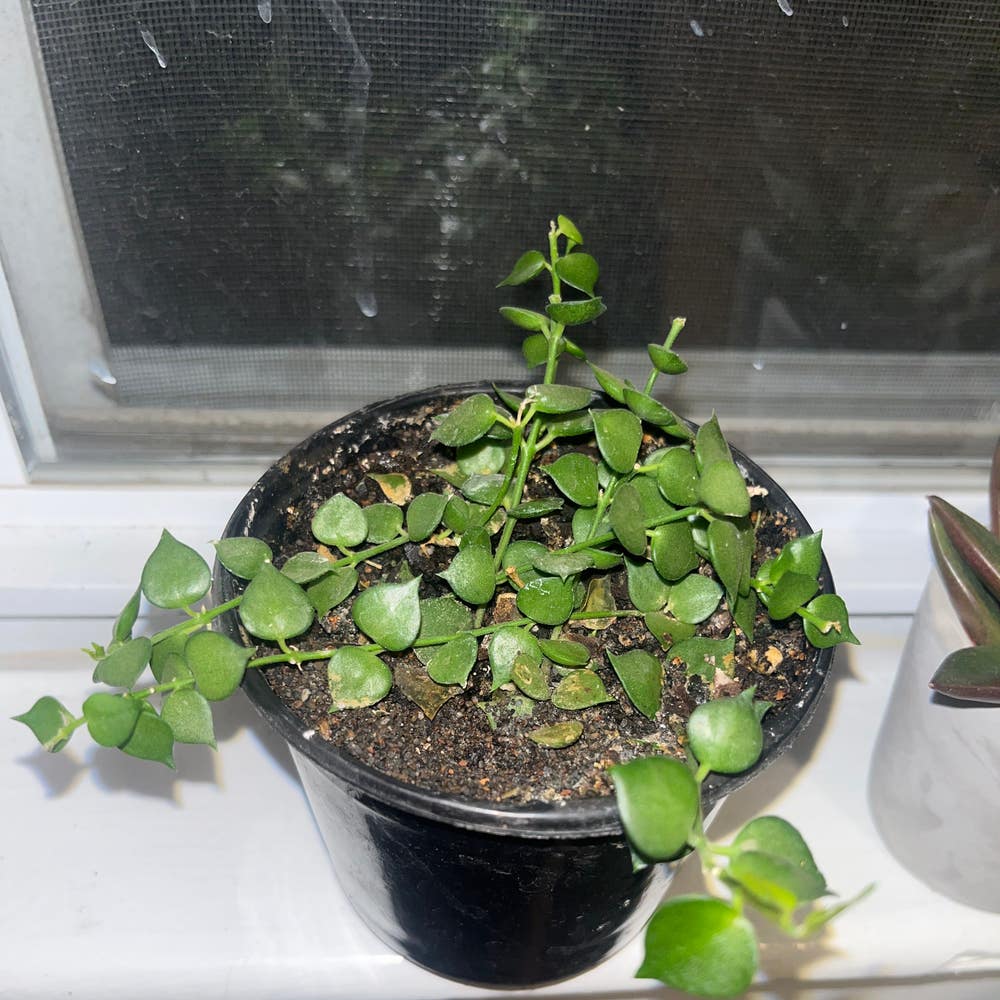
💖 7 Common Million Hearts Flowering Issues
Dischidia ruscifolia
By the Greg Editorial Team
Sep 28, 2024•5 min read
This article was created with the help of AI so we can cover more plants for you. May contain errors. See one? Report it here.
Transform your Million Hearts into a blooming masterpiece 🌸 with these essential care tips for vibrant flowers!
- 🌞 Million Hearts need 6+ hours of bright light daily for optimal blooming.
- 🌱 Balanced fertilizer high in phosphorus boosts flower production significantly.
- 🌬️ Humidity above 50% is crucial for healthy flowering in Million Hearts plants.
Failure to Bloom
🌞 Potential Causes
Light Requirements
One of the primary reasons your Million Hearts may fail to bloom is insufficient sunlight exposure. These plants thrive on a minimum of 6 hours of bright, indirect light daily, and seasonal variations can further complicate their light needs.
Nutritional Factors
Nutrient deficiencies can also play a significant role in blooming issues. A lack of phosphorus and potassium can hinder flower production, while poor soil quality can affect nutrient uptake.
Environmental Factors
Temperature fluctuations can stress your plant, with an ideal range between 65°F to 85°F (18°C to 29°C). Additionally, low humidity levels can inhibit flowering, as these plants prefer a more humid environment.
💡 Solutions and Remedies
Adjusting Light Exposure
To remedy light issues, consider relocating your plant to a brighter area or supplementing with grow lights. This simple adjustment can make a world of difference in encouraging blooms.
Nutrient Management
Using a balanced fertilizer high in phosphorus during the growing season is crucial. This will help ensure your plant has the nutrients it needs to produce vibrant flowers.
Environmental Adjustments
Maintaining consistent temperature and humidity levels is key. Aim for humidity levels above 50% to keep your Million Hearts healthy and blooming beautifully.
By addressing these potential causes and implementing the suggested solutions, you can help your Million Hearts thrive and enjoy a stunning display of flowers. Next, let’s explore the issue of premature flower drop and how to prevent it.
Premature Flower Drop
🌡️ Causes
Stress Factors
Premature flower drop can often be traced back to environmental stress. Sudden changes in temperature or humidity can shock the plant, leading to bud drop.
Overwatering or underwatering also plays a significant role. Both extremes can stress the plant, causing it to shed flowers prematurely.
Pest Problems
Pest infestations are another common culprit. Aphids and spider mites can weaken the plant, making it more susceptible to dropping flowers.
🛠️ Solutions and Preventive Measures
Watering Techniques
Establishing a consistent watering schedule is crucial. Allow the soil to dry slightly between waterings to prevent stress.
Pest Management
Regular inspections for pests can save your blooms. If you spot any, applying neem oil or insecticidal soap can effectively manage the problem.
Stress Reduction
Gradually acclimating your plant to environmental changes can help. This approach minimizes shock and supports healthy flowering.
By addressing these factors, you can significantly reduce the risk of premature flower drop and enjoy a more vibrant display. Next, let’s explore abnormal flower development and how to tackle it effectively.
Abnormal Flower Development
🌱 Causes
Nutrient Imbalances
Abnormal flower development often stems from nutrient imbalances. An excess of nitrogen can lead to lush, green foliage but poor flower production.
Conversely, a lack of essential nutrients can affect both the size and color of the flowers. This imbalance can leave your plants looking healthy but lacking in blooms.
Pruning Mistakes
Pruning at the wrong time or using incorrect techniques can also hinder flower development. If you remove potential flower buds, you’ll miss out on those beautiful blooms.
💡 Solutions and Corrective Actions
Nutrient Adjustment
To encourage blooming, consider switching to a low-nitrogen fertilizer. This adjustment can help redirect the plant's energy from foliage growth to flower production.
Pruning Techniques
Timing is everything when it comes to pruning. Aim to prune after flowering to promote healthy growth and ensure future blooms.
By addressing these factors, you can help your Million Hearts thrive and produce the stunning flowers you desire. Next, let’s explore how environmental stressors can impact flowering.
Environmental Stressors
🌡️ Temperature and Humidity Effects
Maintaining the right temperature is crucial for your Million Hearts plant. Ideally, keep it between 65°F to 85°F (18°C to 29°C) to promote optimal growth.
Humidity also plays a significant role. Aim for humidity levels above 50% to ensure healthy flowering and prevent stress on the plant.
🐛 Pest and Disease Impact on Flowering
Pests can wreak havoc on your flowering plants. Common culprits like aphids and spider mites can weaken your Million Hearts, leading to premature flower drop.
To combat these pests, regular inspections are key. Use neem oil or insecticidal soap to manage infestations effectively.
🦠 Disease Management
Preventive measures are essential for protecting your plant's flowering potential. Keep an eye out for signs of disease, such as wilting or discoloration.
Implementing good cultural practices, like proper watering and spacing, can help minimize disease risks. This proactive approach will keep your Million Hearts thriving.
Understanding these environmental stressors will empower you to create the ideal conditions for your plant. Next, let’s explore how seasonal changes affect flowering and what adjustments you can make to enhance care throughout the year.
Seasonal Considerations for Flowering
🌸 Seasonal Changes and Their Effects
Understanding bloom cycles is crucial for nurturing your Million Hearts plant. Each season brings unique challenges and opportunities that influence flowering patterns.
In spring, the plant typically awakens, requiring more light and nutrients. As summer approaches, it thrives, demanding consistent watering and care to support its growth.
🔄 Adjusting Care Based on Bloom Cycle
Tailoring care practices is essential for optimal flowering. Modify light exposure, watering frequency, and nutrient levels according to the plant's flowering stages.
For instance, during the blooming phase, increase phosphorus-rich fertilizers to encourage vibrant flowers. Regularly monitor your plant's health to catch any issues early, ensuring a flourishing display throughout the season.
By staying attuned to seasonal changes and adjusting your care routine, you can maximize your Million Hearts plant's blooming potential. This proactive approach not only enhances flowering but also fosters a deeper connection with your plant's growth journey.
Next, let’s explore how environmental stressors can impact flowering and what you can do to mitigate these effects.
⚠️ Safety First
This content is for general information and may contain errors, omissions, or outdated details. It is not medical, veterinary advice, or an endorsement of therapeutic claims.
Always consult a qualified healthcare professional before using any plant as food, medicine, or supplement.
Never eat any plant (or feed one to pets) without confirming its identity with at least two trusted sources.
If you suspect poisoning, call Poison Control (800) 222-1222, the Pet Poison Helpline (800) 213-6680, or your local emergency service immediately.
Spotted an error? Please report it here.
Unlock vibrant blooms for your Million Hearts 🌸 with Greg's tailored care tips and reminders that ensure your plant thrives in its ideal environment!