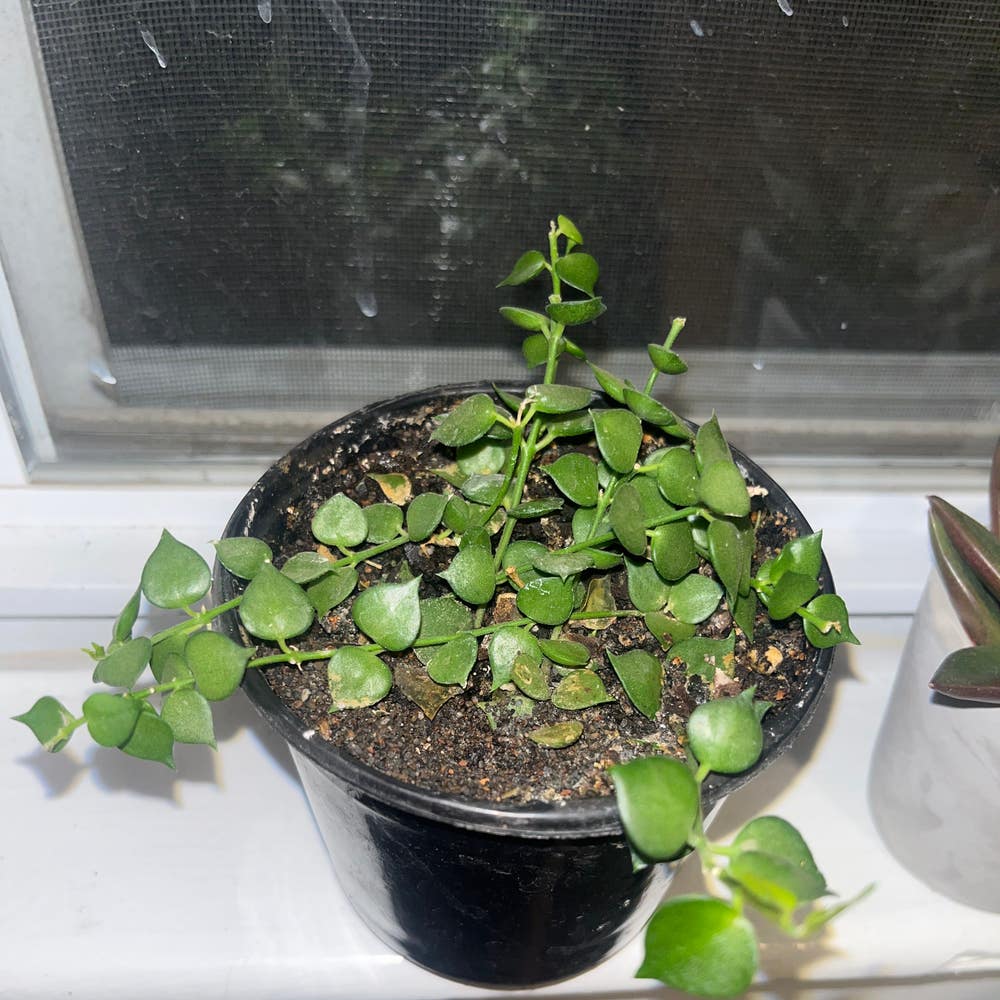
My Million hearts's Light Needs
Dischidia ruscifolia
By the Greg Editorial Team
Jun 18, 2024•4 min read
This article was created with the help of AI so we can cover more plants for you. May contain errors. See one? Report it here.
Nurture a thriving Million hearts plant 🌿 with the perfect light recipe for lush growth and blooms! 🌞
- Bright, indirect sunlight is ideal for Million Hearts, 4-6 hours daily.
- 🌿 Rotate and shield to prevent leaf yellowing and promote even growth.
- Grow lights enhance blooming; use timers for consistent light cycles.
Soaking Up the Sun: Outdoor Light Bliss for Million Hearts
🌞 Finding the Sweet Spot
Million Hearts plants bask in bright, indirect sunlight outdoors. The ideal location shields them from the midday sun while offering gentle morning rays. Aim for a spot that provides 4-6 hours of this kind of light daily.
🌅 When the Sun is Too Much
Yellowing or browning leaves signal an overdose of sunlight. To remedy, transition your plant to a location with dappled shade or use a sheer curtain as a barrier. As seasons change, be vigilant and ready to adjust your plant's position to protect it from the varying intensity of the sun's rays.

Indoor Light Mastery for Million Hearts
🌞 Home Sweet Home: Where to Place Your Plant
Finding the optimal spot for your Million hearts indoors hinges on understanding light direction. North-facing windows offer minimal light, making them suitable for low-light plants, but not ideal for Million hearts. East-facing windows provide gentle morning light, perfect for this plant to start its day. South-facing windows bathe plants in intense light, which could be too harsh for Million hearts without proper shielding. West-facing windows capture the afternoon sun, which can be suitable if the plant is placed at a moderate distance from the window to avoid scorching.
💡 Let There Be Light: Duration and Intensity Indoors
Million hearts should bask in bright, indirect light for about 4-6 hours daily. Direct sunlight can lead to leaf yellowing, a sign to move your plant away from the window or use light-diffusing curtains. During the winter months, when natural light is scarce, consider a full-spectrum grow light to compensate. Rotate the plant regularly to ensure even growth and prevent lopsidedness. Observe your plant's response to light changes and adjust its position to maintain a happy, healthy state.

Boosting Blooms with Light
💡 Encouraging Flowering in Million Hearts
Light is the secret ingredient for Million hearts to unlock its blooming prowess. To encourage flowering, position your plant in a spot that receives bright, indirect sunlight. This mimics the dappled light of its natural habitat, which is crucial for initiating the blooming process.
Direct morning sun can give your plant a gentle boost without the harshness of midday rays. However, too much direct sunlight can lead to scorched leaves, a definite no-no for bloom induction. Aim for a location that offers a balance of light throughout the day, ensuring all sides of the plant get their share of illumination.
Rotate your plant regularly to promote even growth and prevent legginess. This also helps in achieving a full, lush appearance that's more conducive to flowering. Remember, consistency in light exposure is key—sudden changes can disrupt the plant's growth rhythm.
💡 Tweaking Light Conditions to Promote Blooming
Adjusting light conditions can feel like tuning an instrument—get it right, and the results are harmonious. If natural light is lacking, especially during the shorter days of winter, consider supplementing with a full-spectrum grow light. These artificial sunbeams can be a game-changer, offering 4-6 hours of prime light time.
When using grow lights, position them about 6-12 inches above the plant to avoid overheating while providing ample light. Monitor your Million hearts' response to this new light source; it may take a bit of trial and error to find the sweet spot.
Keep in mind that light isn't just about quantity; it's also about quality. Blue wavelengths encourage foliage growth, while red wavelengths are more likely to trigger blooming. If you're serious about seeing those elusive flowers, investing in a bulb that offers both spectrums could be your ticket to success.
Lastly, don't forget the importance of darkness. Just as with natural conditions, your plant needs a period of rest. Ensure your Million hearts experiences darkness at night, which is essential for its overall health and flowering potential.

Grow Lights: Million Hearts' Indoor Sun
💡 Choosing the Right Grow Light
Million hearts, with its lush tendrils and heart-shaped leaves, craves light. When the sun's rays are scarce, grow lights step in to fill the void. LEDs are your best bet, energy-efficient with a lifespan that outshines the rest. Fluorescents, though less modern, are cost-effective and get the job done. Full-spectrum options mimic natural sunlight, ensuring your plant doesn't miss a beat.
🌅 Setting Up Your Indoor Sunshine
Positioning is everything. Aim to replicate the sun’s arc, with the light source above the plant, ensuring even exposure. 12 to 14 hours of light should suffice, but keep an eye on your plant's response; adjust as needed. A timer can be your best friend here, maintaining a consistent cycle and preventing your green companion from pulling an all-nighter. Remember, too much of a good thing can lead to a sunburnt plant, even indoors.
⚠️ Safety First
This content is for general information and may contain errors, omissions, or outdated details. It is not medical, veterinary advice, or an endorsement of therapeutic claims.
Always consult a qualified healthcare professional before using any plant as food, medicine, or supplement.
Never eat any plant (or feed one to pets) without confirming its identity with at least two trusted sources.
If you suspect poisoning, call Poison Control (800) 222-1222, the Pet Poison Helpline (800) 213-6680, or your local emergency service immediately.
Spotted an error? Please report it here.
Ensure your Million Hearts plant flourishes in just the right light by using Greg to track sunlight exposure 🌞 and connect with the community for personalized advice on avoiding too much sun.