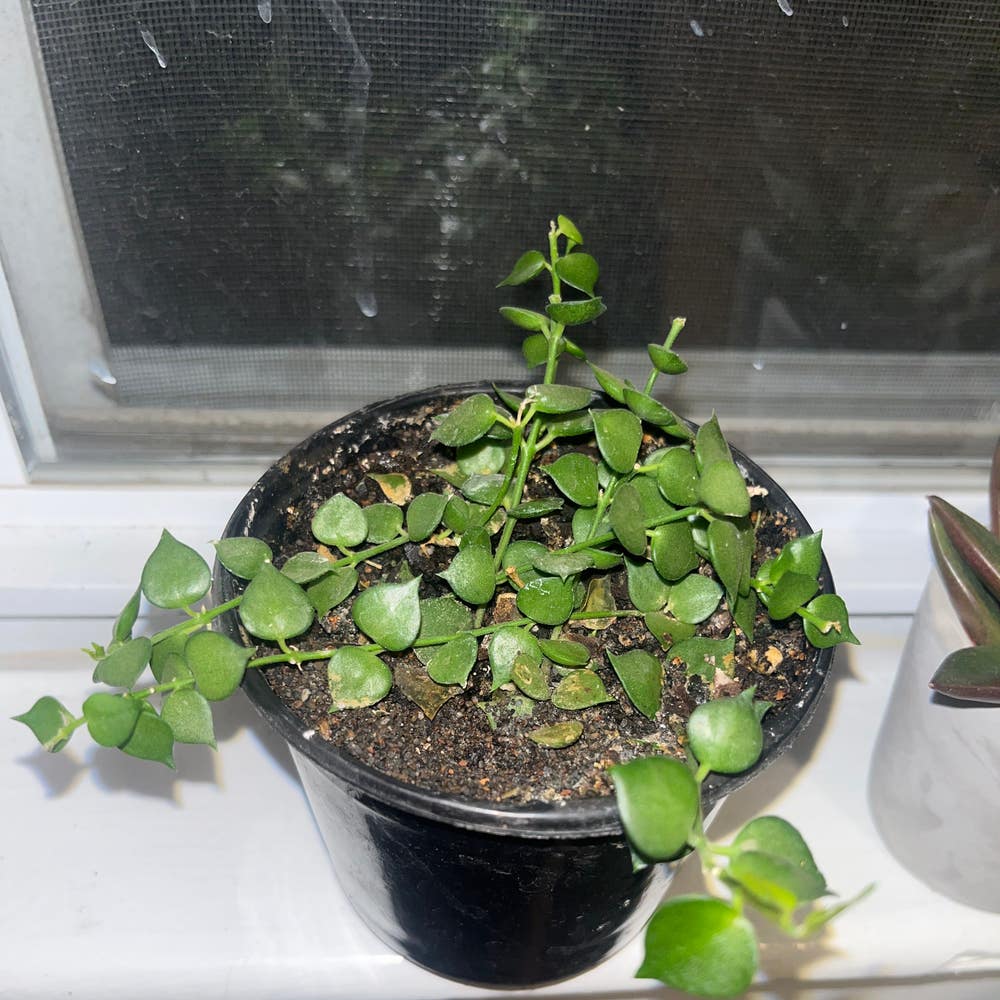
💛 What Should I Do When Million hearts Leaves Turn Yellow?
Dischidia ruscifolia
By the Greg Editorial Team
Jun 18, 2024•3 min read
This article was created with the help of AI so we can cover more plants for you. May contain errors. See one? Report it here.
Stop yellow leaves in their tracks and ensure your Million hearts thrives with expert care tips! 🌿✨
- 🌊 Over/underwatering? Adjust watering schedule for consistent moisture.
- ☀️🌱 Too much/little light? Find bright, indirect light spot.
- 🍽️ Nutrient imbalance? Use balanced fertilizer, watch for overfeeding.
When Watering Goes Wrong: Finding the Balance
💦 Overwatering Overhaul
Yellowing leaves and a foul smell from the soil are distress signals from your Million hearts. If the soil feels like a wet sponge, it's time to hold off on the H2O.
To rescue your waterlogged plant, first check for root rot. Snip off any black, mushy roots and replace the soggy soil with fresh, dry mix. Ensure the pot has drainage holes to prevent future pool parties at the root level.
🏜️ Underwatering Under the Microscope
When your Million hearts starts to resemble a dried-up tumbleweed, it's a clear sign of thirst. Wrinkled leaves and stunted growth are the plant's way of crying out for a drink.
Craft a watering schedule that keeps the soil consistently moist but not drenched. Think of it as a steady beat, not a hit-or-miss affair. Use your finger to test the soil's top inch; if it's dry, it's time to water. Remember, your plant prefers a steady sip over a flood.

Let There Be (The Right Amount of) Light
🌞 Too Much Sun, Too Little Fun
Yellow leaves on your Million hearts might be screaming for a break from the sun. If the leaves are looking bleached or crispy, it's time to rethink your plant's tanning sessions. Direct sunlight during the peak hours can be a no-go.
- Adjusting your plant's sunbathing routine involves finding a spot that offers bright, but indirect light. Think of a place where the sun's rays are softened, like behind a sheer curtain. Morning light can be refreshing, but as the day heats up, it's best to protect your Million hearts from harsh rays.
🌑 The Dark Side of Too Little Light
Conversely, a Million hearts turning yellow could be a sign of light starvation. Sparse leaves or elongated stems are your plant's way of saying, "I need more light, stat!"
- To brighten up your plant's life, consider moving it closer to a light source that mimics its natural habitat. Full-spectrum grow lights can be lifesavers during gloomy months. Rotate the plant to ensure even exposure, and watch for changes. Your Million hearts will thank you with vibrant green leaves.

Feeding Frenzy: Nutrients Needed for Vibrant Leaves
💪 The Tell-tale Signs of Nutrient Deficiency
Yellowing leaves on your Million hearts may be a distress signal for nutrients. A balanced diet is crucial; think nitrogen for greenery, phosphorus for roots and blooms, and potassium for overall health. Vibrant color and growth are signs of a well-nourished plant. Stick to a regular feeding schedule with a balanced fertilizer, but remember, moderation is key.
🚫 Overfeeding: When Too Much Love Hurts
Too much fertilizer can lead to a nutrient overdose, causing leaf burn or even root damage. Symptoms include brown leaf tips and a deep, unnatural green color. If you spot crusty fertilizer residue or your plant's leaves are dropping like flies, it's time to dial back. Flush the soil with water to remove excess nutrients and give your plant a chance to recover. Remember, less is often more when it comes to plant food.

Proactive Plant Parenting: Keeping Yellow at Bay
🌿 Routine Care: The Secret to Evergreen Love
Crafting a care routine is your Million hearts' ticket to maintaining its vibrant green wardrobe. Regular checks are non-negotiable; they're like the pulse checks of your plant's health.
👀 The Watchful Eye: Monitoring for Mellow Yellows
Vigilance is your plant's best friend. Spot a yellow leaf? It's time to play detective and act swiftly. Adjust care practices before your plant's fashion statement turns from lush green to mellow yellow.
⚠️ Safety First
This content is for general information and may contain errors, omissions, or outdated details. It is not medical, veterinary advice, or an endorsement of therapeutic claims.
Always consult a qualified healthcare professional before using any plant as food, medicine, or supplement.
Never eat any plant (or feed one to pets) without confirming its identity with at least two trusted sources.
If you suspect poisoning, call Poison Control (800) 222-1222, the Pet Poison Helpline (800) 213-6680, or your local emergency service immediately.
Spotted an error? Please report it here.
Revive your Million hearts from yellow to green 🌿 with Greg's tailored watering and light reminders, ensuring your plant care is as precise as its needs.