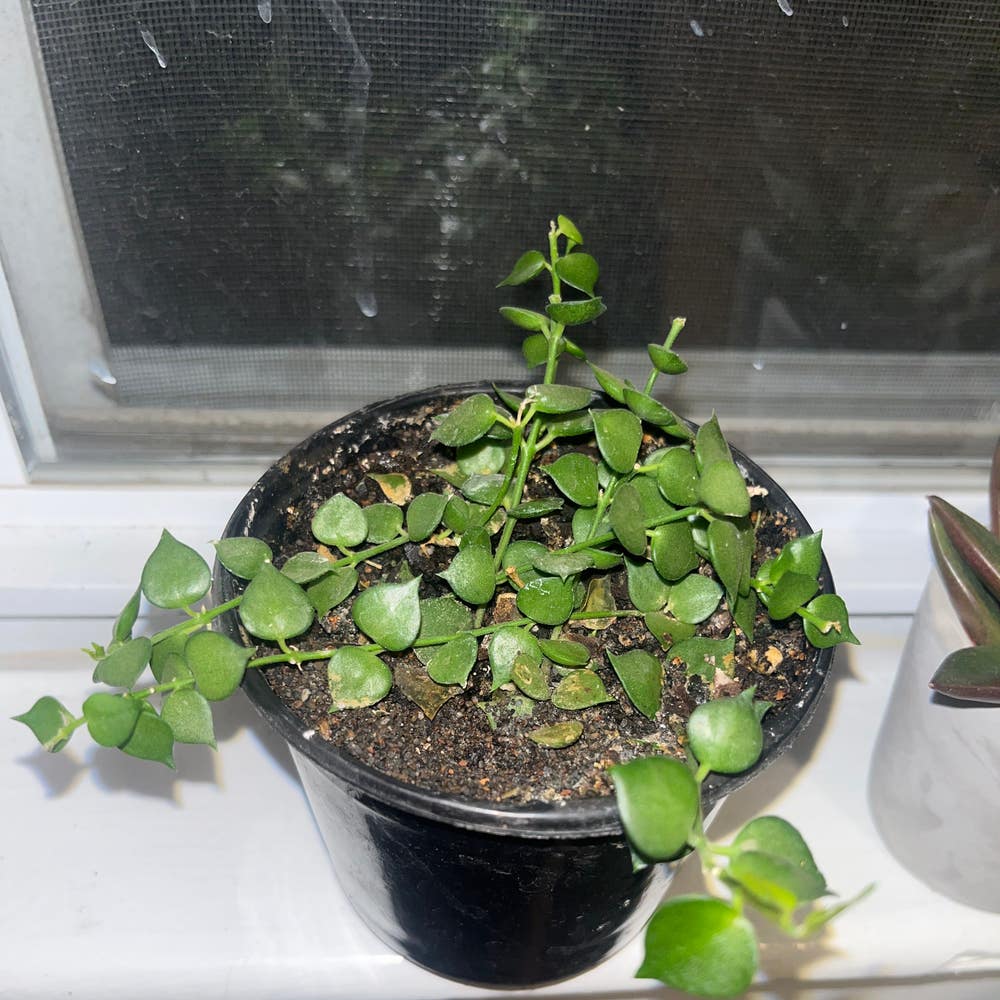
🐝 How and When to Pollinate Million Hearts
Dischidia ruscifolia
By the Greg Editorial Team
Sep 28, 2024•6 min read
This article was created with the help of AI so we can cover more plants for you. May contain errors. See one? Report it here.
Boost your garden's health and yield 🌱 by mastering the art of pollination with Million Hearts plants!
- 🌼 Million Hearts can self-pollinate or cross-pollinate, affecting health and yield.
- 🐝 Attract pollinators with the right flowers and scents for better pollination success.
- 🌱 Hand pollination boosts productivity; timing is key—early morning or late afternoon works best.
Self-Pollination vs. Cross-Pollination
🧐 Determining Pollination Type
Million Hearts plants are fascinating because they can self-pollinate or cross-pollinate, depending on the variety. Understanding which type your plant exhibits is crucial for ensuring optimal health and maximizing fruit or seed production.
🌱 Benefits of Pollination Understanding
Grasping the nuances of pollination enhances plant health and boosts yield significantly. Moreover, it supports genetic diversity, resulting in stronger, more resilient plants that can thrive in various conditions.
By recognizing these pollination types, you can make informed decisions that lead to a flourishing garden. This knowledge not only benefits your plants but also enriches your gardening experience.
Flower Structure
Description of Flower Parts 🌸
The Million Hearts flower is a vibrant spectacle, with petals that come in various colors and shapes designed to attract pollinators. These petals not only catch the eye but also play a crucial role in the overall structure of the flower.
Sepals form the protective outer layer, safeguarding the delicate flower parts within. They provide essential support, ensuring the flower maintains its integrity as it blooms.
Stamens are the male reproductive components, consisting of anthers and filaments. These parts are vital for pollen production, which is essential for fertilization.
Pistils represent the female reproductive system, comprising the stigma, style, and ovary. Each part works together to facilitate the process of pollination and seed development.
How Flower Structure Facilitates Pollination 🐝
The unique adaptations of Million Hearts flowers promote both self-pollination and cross-pollination. These mechanisms ensure that the plant can reproduce effectively, regardless of environmental conditions.
Flower color and shape are not just for show; they play a significant role in attracting specific pollinator species. By appealing to the preferences of bees, butterflies, and other pollinators, Million Hearts enhances its chances of successful fertilization.
Understanding these structural elements is key to appreciating how Million Hearts thrives in diverse environments. This knowledge can empower gardeners to create conditions that support optimal pollination.
As we delve deeper into the pollination process, we’ll explore how these flowers interact with their pollinators and the vital role they play in the ecosystem.
Pollination Process
🌱 Self-Pollination Mechanism
Million Hearts plants have a fascinating ability to self-pollinate. This means that the flowers can fertilize themselves without needing external help, ensuring fruit and seed production even in less-than-ideal conditions.
However, relying solely on self-pollination can limit genetic diversity. Incorporating additional pollination methods can significantly enhance fruit and seed yields, leading to healthier plants.
🐝 Cross-Pollination and Primary Pollinators
Cross-pollination introduces a variety of benefits, primarily through the involvement of key pollinators. The main players include bees, butterflies, moths, and hummingbirds, each playing a crucial role in transferring pollen between flowers.
These pollinators have specific interactions with Million Hearts that facilitate successful fertilization. For instance, bees are drawn to the vibrant colors and sweet scents, making them essential for cross-pollination.
🌼 Attraction Mechanisms for Pollinators
Attracting pollinators is all about the right combination of floral scents, colors, and nectar production. Million Hearts flowers often boast bright hues and delightful fragrances that beckon pollinators from afar.
Seasonal variations also play a role in attraction. Different times of the year can influence pollinator activity, making it essential to understand these patterns for optimal pollination success.
With a solid grasp of these processes, you're well on your way to ensuring a thriving Million Hearts garden. Next, let's explore the art of hand pollination and how you can take an active role in this vital process.
Hand Pollination
Step-by-Step Instructions for Hand Pollination 🌼
Hand pollination can be a rewarding way to ensure your Million Hearts thrive. Here’s how to do it effectively.
1. Identifying Male and Female Flower Parts 🔍
Start by locating the male and female parts of the flower. The stamens, which include the anthers and filaments, are the male components, while the pistils, consisting of the stigma, style, and ovary, represent the female parts.
2. Collecting Pollen 🧪
Next, gather pollen from the anthers. You can gently tap or brush the anthers with a small, soft brush or your finger to collect the fine yellow pollen grains.
3. Transferring Pollen 🚀
Once you have the pollen, it’s time to transfer it to the stigma. Lightly dab the pollen onto the sticky surface of the stigma, ensuring good contact for successful fertilization.
4. Timing for Successful Fertilization ⏰
Timing is crucial for hand pollination. The best times to perform this task are early in the morning or late in the afternoon when the flowers are fully open and receptive.
Hand pollination not only boosts your plant's productivity but also deepens your connection to the gardening process. With these steps, you can enhance the health and yield of your Million Hearts, ensuring a vibrant garden.
Next, let’s explore how to create a pollinator-friendly environment to support these beautiful plants.
Supporting Pollinators
🌼 Creating a Pollinator-Friendly Environment
Designing a garden that attracts and supports pollinators is essential for enhancing the health of your Million Hearts plants. Start by incorporating a variety of native plants, as they are more likely to attract local pollinator species.
Diverse habitats are crucial too. Create spaces with different flower shapes, sizes, and blooming times to provide food and shelter throughout the seasons.
🌻 Companion Plants to Attract Beneficial Pollinators
Companion planting can significantly boost pollinator activity around Million Hearts. Consider adding flowers like lavender, echinacea, or sunflowers, which are known to attract bees and butterflies.
Planting in clusters is another effective strategy. Grouping flowers together not only creates a vibrant display but also makes it easier for pollinators to find food sources, enhancing overall pollination success.
By fostering a pollinator-friendly environment and choosing the right companion plants, you can create a thriving ecosystem that benefits both your garden and the local wildlife. This approach not only supports your Million Hearts but also contributes to the broader health of the environment.
Next, let’s explore the challenges that can arise during the pollination process and how to overcome them.
Pollination Challenges
Common Obstacles to Successful Pollination 🌧️
Pollination can face several hurdles, primarily due to environmental factors. Temperature and humidity play crucial roles; extreme conditions can hinder pollinator activity and flower receptivity.
Another significant challenge is the decline in pollinator species. Habitat loss and pesticide use have drastically reduced the numbers of essential pollinators, making it harder for plants like Million Hearts to reproduce effectively.
Solutions for Overcoming Environmental Challenges 🌱
To improve pollination success, consider implementing a few strategic practices. Start by creating a conducive environment: plant native species and maintain diverse habitats to attract pollinators.
Monitoring environmental conditions is vital. Keep an eye on temperature and humidity levels, and adjust your care practices accordingly to support both the plants and their pollinators.
By fostering a supportive ecosystem, you can enhance the chances of successful pollination and ensure a thriving garden.
⚠️ Safety First
This content is for general information and may contain errors, omissions, or outdated details. It is not medical, veterinary advice, or an endorsement of therapeutic claims.
Always consult a qualified healthcare professional before using any plant as food, medicine, or supplement.
Never eat any plant (or feed one to pets) without confirming its identity with at least two trusted sources.
If you suspect poisoning, call Poison Control (800) 222-1222, the Pet Poison Helpline (800) 213-6680, or your local emergency service immediately.
Spotted an error? Please report it here.
Boost your Million Hearts plants' health and yield 🌱 by using Greg's tailored care tips to attract pollinators and create a thriving garden!