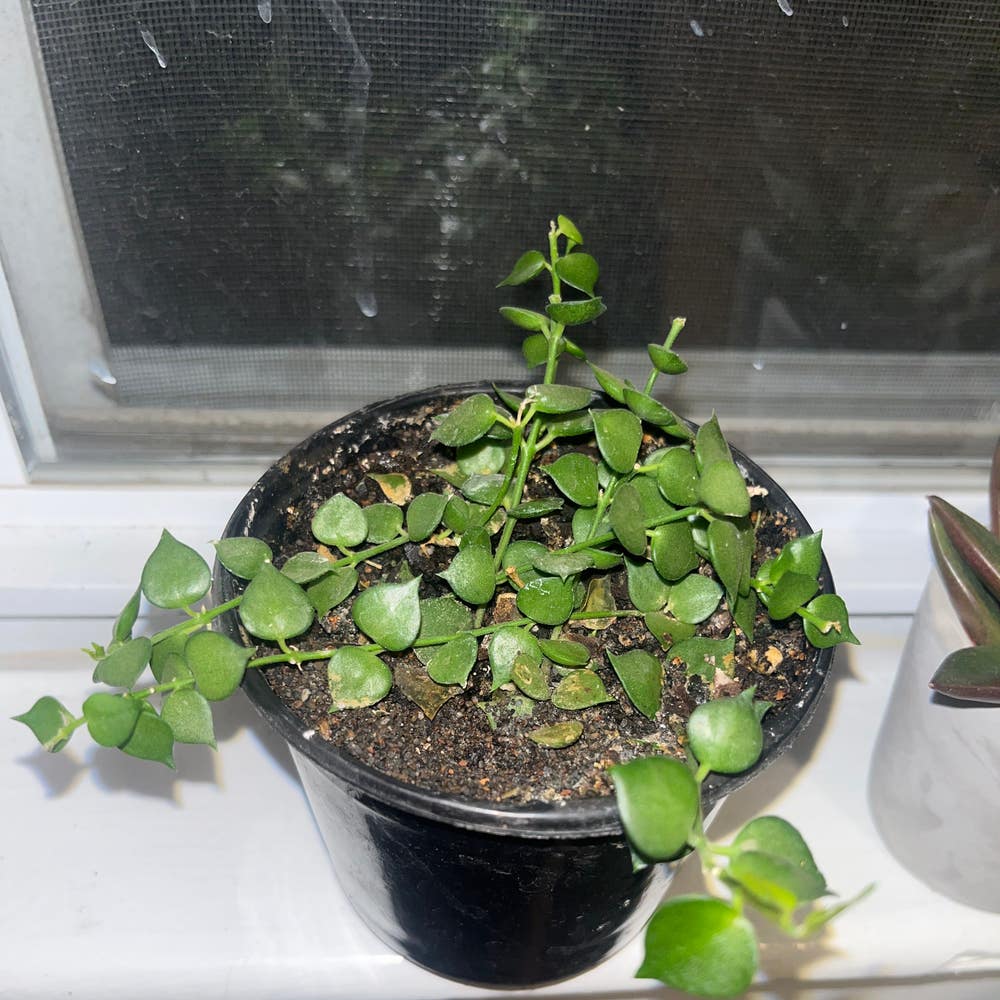
Million Hearts Hardiness Zones: 10a-11b
Dischidia ruscifolia
By the Greg Editorial Team
Sep 28, 2024•4 min read
This article was created with the help of AI so we can cover more plants for you. May contain errors. See one? Report it here.
Master the temperature needs of Million Hearts 🌱 to ensure vibrant growth and stunning blooms in your garden!
- 🌡️ Million Hearts thrive in USDA zones 10a-11b, perfect for warm climates.
- ❄️ Frost sensitivity means they need protection from temperatures below 30°F (-1°C).
- ☀️ Full sun exposure boosts growth and flowering potential for Million Hearts.
Temperature Tolerance of Million Hearts
❄️ Cold Tolerance Specifics
Million Hearts can withstand temperatures as low as 30°F (-1°C). However, they are sensitive to frost, which can damage their leaves and stunt growth.
🔥 Heat Tolerance Specifics
These plants thrive in high heat, flourishing in temperatures exceeding 90°F (32°C). Extended warm seasons are crucial for their optimal growth, allowing them to reach their full potential.
🌡️ Ideal Temperature Ranges for Growth
The optimal temperature range for Million Hearts is between 60°F to 95°F (15°C to 35°C). Fluctuations outside this range can negatively impact their growth, making consistent warmth essential for healthy development.
Understanding the temperature tolerance of Million Hearts is vital for successful cultivation. Next, we will explore the ideal growing regions for these vibrant plants.
Ideal Growing Regions for Million Hearts
🌍 Examples of US States in Zones 10a-11b
Million Hearts thrive in several states that fall within USDA hardiness zones 10a to 11b. Notable examples include:
- California: Regions like Southern California, particularly around Los Angeles and San Diego, offer the perfect warm climate.
- Florida: The entire state, especially areas like Miami and Orlando, provides the ideal conditions for growth.
- Texas: Coastal regions and southern parts, such as Houston and the Rio Grande Valley, are excellent for Million Hearts.
- Hawaii: The tropical climate across the islands ensures a year-round growing season.
These states exemplify the warm temperatures and low frost risk that Million Hearts require.
🌱 Factors Contributing to Ideal Growing Conditions
Several key factors contribute to the ideal growing conditions for Million Hearts in these regions.
Climate Characteristics
- Warm Temperatures: Consistent warmth is crucial for optimal growth.
- Low Frost Risk: These areas experience minimal frost, allowing for uninterrupted growth cycles.
- Ample Sunlight: Full sun exposure enhances the plant's vitality and flowering potential.
Soil Conditions
- Well-Drained Soil: The prevalent soil types in these regions are typically sandy or loamy, promoting healthy root systems.
- Nutrient-Rich: These soils often contain essential nutrients that support robust growth.
Understanding these factors helps gardeners select the best locations for planting Million Hearts, ensuring they flourish beautifully.
As we explore further, we'll look into how microclimates can extend the growing zones for Million Hearts, allowing them to thrive in unexpected places.
Microclimates and Their Impact
🌍 How Microclimates Can Extend Growing Zones
Microclimates are localized areas that experience different climatic conditions than the surrounding regions. They can create favorable environments for Million Hearts, allowing them to thrive even outside typical hardiness zones.
Several factors contribute to the formation of microclimates. Urban heat islands, for instance, arise from buildings and pavement absorbing and retaining heat. Coastal breezes can moderate temperatures, while sheltered areas provide protection from harsh winds and frost.
🌊 Examples of Microclimates That Benefit Million Hearts
Coastal areas are prime examples where Million Hearts can flourish. The warmer temperatures and reduced frost risk create an ideal environment for growth.
Urban settings also offer unique advantages. The heat retention from buildings and pavement can elevate temperatures, making these areas surprisingly suitable for Million Hearts.
Understanding these microclimates can help gardeners maximize their growing potential, even in less-than-ideal conditions. As we explore state-level suitability next, consider how these localized factors might influence your gardening choices.
State-Level Suitability Analysis
🌞 List of States Suitable for Million Hearts
California, Florida, Texas, and Hawaii are prime locations for Million Hearts. These states boast warm climates, ensuring that the plants thrive in optimal conditions.
In California, regions like Southern California offer ample sunshine and minimal frost. Florida's tropical climate provides consistent warmth, while Texas has diverse environments that cater to Million Hearts. Hawaii, with its year-round warmth, is a natural fit for these vibrant plants.
❄️ List of States Unsuitable for Million Hearts
Conversely, states like New York, Minnesota, and Montana fall short for Million Hearts. These areas are situated in USDA zones below 10a, making them too cold for optimal growth.
Cold winters pose a significant challenge, as do high frost risks. Additionally, these states often lack the necessary heat during crucial growing seasons, which can stunt the plants' development.
🌡️ Reasons for Suitability or Unsuitability Based on Climate Factors
Temperature extremes play a pivotal role in determining suitability. Cold winters and unexpected frost events can severely limit the growth of Million Hearts, making them unsuitable for colder regions.
Moreover, seasonal variations are crucial. Consistent warm temperatures are essential for Million Hearts to flourish, and without them, growth can be stunted or halted entirely. Understanding these climate factors is key to successfully cultivating these beautiful plants.
As we explore the next section, we'll delve into how microclimates can create unique growing opportunities for Million Hearts, even in less-than-ideal conditions.
⚠️ Safety First
This content is for general information and may contain errors, omissions, or outdated details. It is not medical, veterinary advice, or an endorsement of therapeutic claims.
Always consult a qualified healthcare professional before using any plant as food, medicine, or supplement.
Never eat any plant (or feed one to pets) without confirming its identity with at least two trusted sources.
If you suspect poisoning, call Poison Control (800) 222-1222, the Pet Poison Helpline (800) 213-6680, or your local emergency service immediately.
Spotted an error? Please report it here.
Cultivating Million Hearts in warm climates 🌞 is a breeze with Greg's tailored care tips, ensuring your plants thrive in their ideal environment!