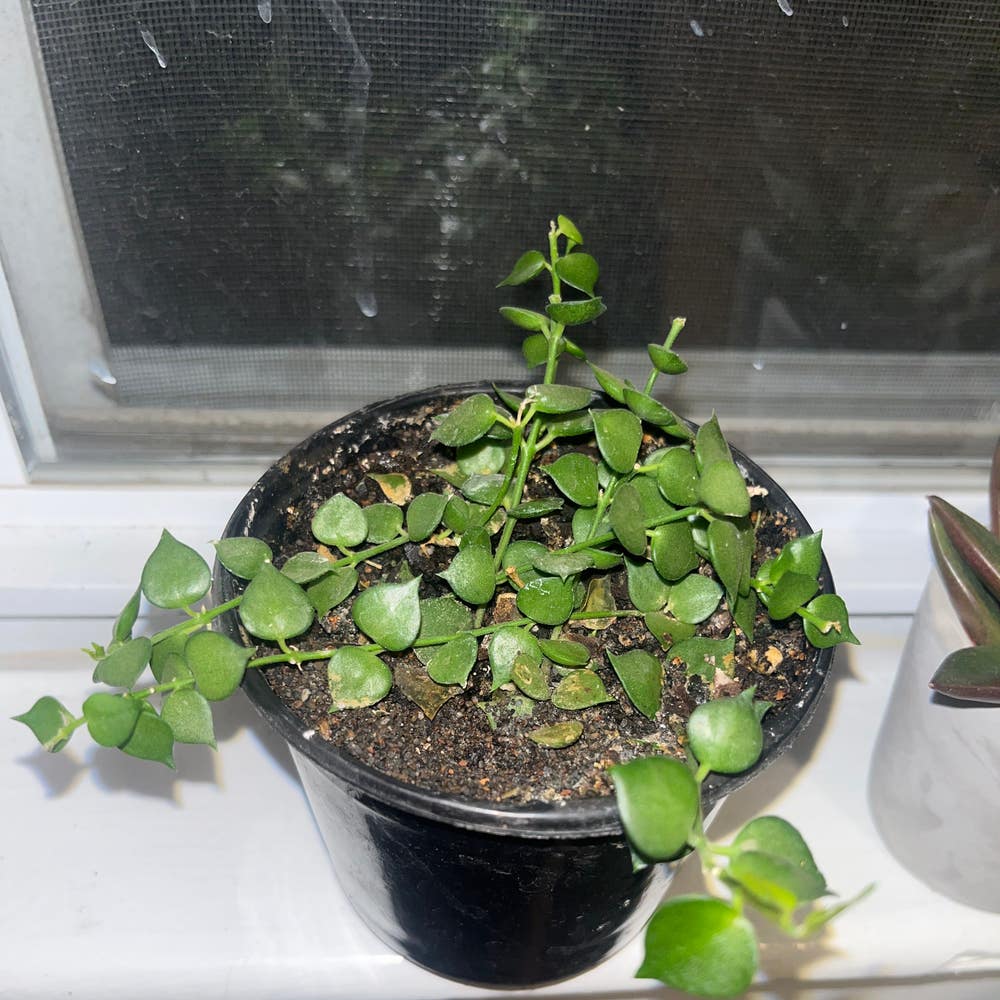
❤️ 5 Tips for Healthy Million Hearts Roots
Dischidia ruscifolia
By the Greg Editorial Team
Sep 28, 2024•5 min read
This article was created with the help of AI so we can cover more plants for you. May contain errors. See one? Report it here.
Master the care of Million Hearts plants by understanding their unique root system for vibrant growth! 🌱
- 🌱 Million Hearts roots thrive in topsoil, absorbing nutrients efficiently within 6-12 inches.
- 🚫💧 Overwatering causes root rot; let the top inch of soil dry before watering.
- 🌿 Healthy roots are white and firm; unhealthy roots appear brown and mushy.
Characteristics of Root System
🌱 Type of Root System
The root system of Million Hearts plants features a fibrous structure. This type is known for its extensive nutrient absorption capabilities, making it highly efficient.
Shallow growth is another key characteristic, allowing roots to spread wide rather than deep. However, this shallow nature also means the plants are sensitive to overwatering, which can lead to root issues.
📏 Root Depth and Spread Patterns
Typically, the roots grow within the top 6-12 inches of soil. This shallow depth allows for quick access to nutrients in the upper soil layers.
The root spread can be impressive, often extending 2-3 feet in diameter. Rapid lateral growth is a hallmark of this system, enabling efficient nutrient uptake and overall plant health.
Understanding these characteristics is essential for providing the right care. With a solid grasp of how the root system functions, you can ensure your Million Hearts plants thrive.
Next, let’s explore effective care techniques to maintain healthy roots.
Care Techniques for Healthy Roots
💧 Watering Practices
Proper watering is crucial for root health. Allow the top inch of soil to dry out before watering again to prevent overwatering.
Signs of overwatering include yellowing leaves, wilting, and root rot. To avoid these issues, use well-draining soil and pots with drainage holes.
🌱 Fertilizing Strategies
Fertilizing your plants every 4-6 weeks during the growing season promotes robust root systems. Opt for balanced NPK fertilizers or organic options to nourish your plants effectively.
Diluting fertilizers in water helps prevent root burn, ensuring your plants thrive without stress.
🌍 Transplanting Considerations
Transplanting is essential every 1-2 years or when plants become rootbound. This process refreshes the soil and gives roots more space to grow.
Follow these steps for successful transplanting:
- Water the plant thoroughly a day before transplanting.
- Gently remove the plant from its pot, taking care not to damage the roots.
- Place it in a new pot with fresh soil, ensuring roots are spread out.
With these care techniques, your plants will develop healthy roots, setting the stage for vibrant growth. Next, let’s explore common root-related issues and how to prevent them.
Root-Related Issues
Common Problems 🌱
Root health can be compromised by a couple of common issues. Root rot is primarily caused by overwatering and poor drainage, leading to a decline in plant vitality.
Another concern is pests, specifically root aphids and nematodes, which can severely affect root health. These pests can sap the nutrients your plants need to thrive.
Prevention Tips 🚫
Preventing root-related issues starts with ensuring proper drainage in your pots. Always choose containers with drainage holes to avoid water accumulation.
It's also crucial to monitor your watering habits closely. Allow the top inch of soil to dry out before watering again to keep your roots happy.
Using sterilized soil can further prevent disease. This simple step helps eliminate pathogens that could harm your plants.
Solutions for Addressing Issues 🛠️
If you encounter root rot, act quickly. Remove any affected roots, repot the plant in fresh soil, and adjust your watering schedule to prevent recurrence.
For pest problems, consider using insecticidal soap or neem oil for treatment. These options are effective and less harmful to the environment.
By staying vigilant and proactive, you can maintain healthy roots and ensure your plants flourish. Next, let’s explore how to identify root health effectively.
Identifying Root Health
👀 Visual Cues of Healthy vs. Unhealthy Roots
Healthy roots are a gardener's pride. They appear white, firm, and free of any unpleasant odor.
In contrast, unhealthy roots show clear signs of distress. Look for brown, mushy textures and a foul smell, which indicate serious issues.
⚠️ Indicators of Root Stress or Disease
Root stress can manifest in various ways. Common signs include wilting, stunted growth, and yellowing leaves.
If you notice a foul odor from the soil, visible mold, or pests, your plant may be suffering from disease. Addressing these issues promptly can save your plant from further decline.
Recognizing these cues is crucial for maintaining vibrant, healthy roots. By staying vigilant, you can ensure your plants thrive and flourish.
Recognizing Rootbound Plants
📏 Definition and Signs
Rootbound plants are those that have roots growing densely in a confined space, which can severely limit their growth. You can spot a rootbound plant by looking for roots emerging from drainage holes, stunted growth, and poor water absorption.
🛠️ When to Intervene and Solutions
It's wise to check your plants annually or whenever you notice growth slowing down. If you find a plant rootbound, consider these solutions:
- Repot the plant into a larger container to give it room to grow.
- Trim back any overly long roots if necessary to encourage new growth.
Addressing rootbound conditions is moderately challenging but essential for your plant's health. Taking these steps will help ensure your plants thrive and continue to flourish.
Importance of Root Health in Propagation
🌱 Techniques for Dividing Safely
Dividing plants is a crucial technique for maintaining healthy roots and promoting growth. The best time for division is early spring or late summer, when plants are actively growing.
Steps for Division
Water the Plant Thoroughly: Ensure the plant is well-hydrated before you start. This helps reduce stress on the roots during the process.
Carefully Separate the Root Clumps: Gently pull apart the root clumps, making sure each division has healthy roots attached. This is vital for the new plants to thrive.
Replant Immediately in Suitable Soil: After division, place the roots in fresh, well-draining soil. This gives them the best chance to establish quickly.
Dividing plants can be a bit tricky, so it’s rated as moderately difficult. However, with practice, you’ll find it becomes easier and more rewarding. Healthy roots lead to vibrant plants, making your gardening journey even more enjoyable.
As you explore propagation techniques, remember that root health is foundational. Next, we’ll delve into recognizing rootbound plants and how to address this common issue.
⚠️ Safety First
This content is for general information and may contain errors, omissions, or outdated details. It is not medical, veterinary advice, or an endorsement of therapeutic claims.
Always consult a qualified healthcare professional before using any plant as food, medicine, or supplement.
Never eat any plant (or feed one to pets) without confirming its identity with at least two trusted sources.
If you suspect poisoning, call Poison Control (800) 222-1222, the Pet Poison Helpline (800) 213-6680, or your local emergency service immediately.
Spotted an error? Please report it here.
Keep your Million Hearts plants thriving with healthy roots 🌿 by using Greg's tailored watering reminders and care tips to prevent overwatering and promote robust growth!