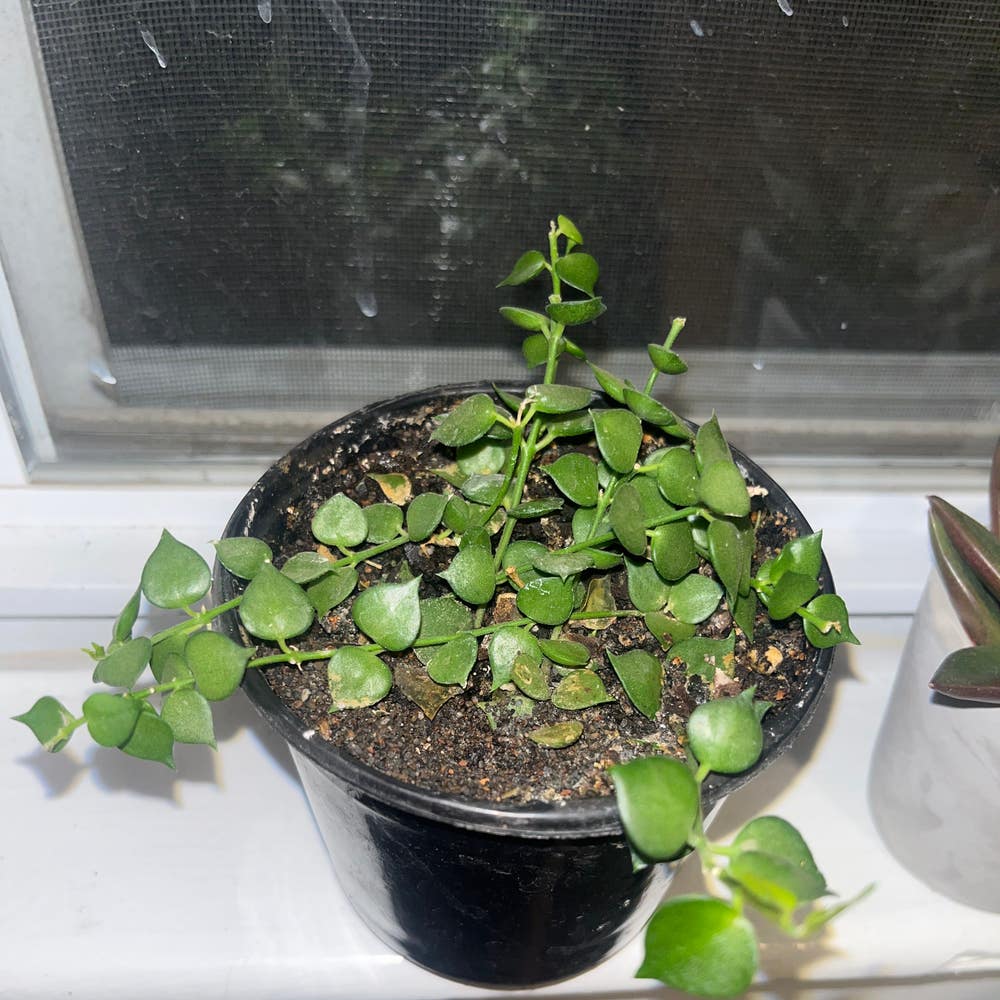
💖 Million Hearts's Best Friends: Top Companion Plants
Dischidia ruscifolia
By the Greg Editorial Team
Sep 28, 2024•4 min read
This article was created with the help of AI so we can cover more plants for you. May contain errors. See one? Report it here.
Boost your Million Hearts garden's health and beauty 🌸 with these top companion plants for pest control and vibrant aesthetics!
- 🌼 Companion plants like marigolds and basil repel pests, enhancing garden health.
- 🌱 Sweet Alyssum and borage attract pollinators, improving soil and plant vitality.
- 🎨 Color and texture combinations with Million Hearts create a visually stunning garden.
Top Companion Plants for Million Hearts
🌸 Sweet Alyssum
Sweet Alyssum features low-growing, fragrant flowers that are a magnet for pollinators. This charming plant not only beautifies your garden but also acts as a ground cover, helping to retain soil moisture and deter pesky insects.
🌼 Marigolds
Marigolds bring a burst of bright, cheerful color to your garden while serving a practical purpose. Known for their pest-repelling properties, they effectively fend off nematodes and other harmful insects, promoting overall garden health.
🌿 Basil
Basil is an aromatic herb that thrives in conditions similar to Million Hearts. Beyond its culinary uses, it repels aphids and whiteflies, making it a valuable companion in your garden.
🌺 Nasturtiums
Nasturtiums are vibrant flowers that offer both beauty and utility. With their edible leaves and blooms, they attract beneficial insects while deterring aphids, enhancing the diversity of your garden ecosystem.
⭐ Borage
Borage stands out with its star-shaped flowers that attract pollinators. This herb not only improves soil health but also helps keep pests like tomato hornworms at bay, making it a smart addition to your garden.
These companion plants not only enhance the beauty of your Million Hearts but also contribute to a healthier garden environment. Next, let’s explore how these plants can aid in pest management.
Pest Management with Companion Plants
How Companion Plants Deter Pests 🌿
Companion plants play a crucial role in pest management by emitting scents or chemicals that naturally repel unwanted insects. These aromatic compounds can confuse pests, making it harder for them to locate their preferred host plants.
Additionally, companion plants disrupt pest life cycles. By attracting beneficial insects or creating an environment that is less hospitable to pests, they help maintain a balanced ecosystem in your garden.
Specific Pests Repelled by Companion Plants 🐞
Several common pests can be effectively deterred through companion planting:
- Aphids: Repelled by plants like basil and nasturtiums.
- Whiteflies: Basil is particularly effective against these pests.
- Nematodes: Marigolds are known for their ability to repel these harmful soil dwellers.
Companion planting not only enhances garden health but also reduces the need for chemical pesticides. This natural approach fosters a thriving garden environment, making it a win-win for both plants and gardeners alike.
As you explore the world of companion planting, you'll discover how these relationships can lead to a healthier, more vibrant garden. Next, let's delve into the visual appeal and aesthetic benefits of pairing plants with Million Hearts.
Visual Appeal and Aesthetic Benefits
🎨 Color Combinations with Million Hearts
To create a stunning garden, consider color palettes that enhance the vibrant hues of Million Hearts. Pairing them with soft pastels like lavender or peach can create a soothing contrast, while bold colors like deep purple or bright yellow can make a striking statement.
Contrasting colors not only add visual interest but also help each plant stand out. This dynamic interplay can transform your garden into a captivating visual feast.
📏 Height and Texture Considerations
Incorporating plants of varying heights can create layers and depth in your garden. Taller plants like sunflowers or hollyhocks can provide a backdrop, while shorter varieties like sweet alyssum can fill in the foreground.
Texture variety is equally important for visual appeal. Mixing smooth-leaved plants with those that have fuzzy or serrated leaves adds dimension and intrigue, making your garden a more engaging space to explore.
With these considerations, your garden will not only thrive but also become a beautiful sanctuary. Next, let’s explore which plants to avoid near Million Hearts to ensure a healthy growing environment.
Plants to Avoid Near Million Hearts
🌱 Fennel
Fennel is a plant you definitely want to steer clear of when growing Million Hearts. It competes for nutrients, potentially stunting the growth of your beloved flowers.
🥬 Cabbage Family
The cabbage family, including plants like cabbage and broccoli, can also be problematic. They attract pests that may target Million Hearts, increasing pest pressure in your garden.
🥔 Potatoes
Potatoes are another no-go. They are susceptible to similar pests and diseases, which can easily spread to Million Hearts, jeopardizing their health and vitality.
By avoiding these plants, you can create a thriving environment for your Million Hearts, ensuring they flourish without unnecessary competition or pest issues. Next, let’s explore how companion plants can enhance pest management in your garden.
⚠️ Safety First
This content is for general information and may contain errors, omissions, or outdated details. It is not medical, veterinary advice, or an endorsement of therapeutic claims.
Always consult a qualified healthcare professional before using any plant as food, medicine, or supplement.
Never eat any plant (or feed one to pets) without confirming its identity with at least two trusted sources.
If you suspect poisoning, call Poison Control (800) 222-1222, the Pet Poison Helpline (800) 213-6680, or your local emergency service immediately.
Spotted an error? Please report it here.
Boost your Million Hearts' health and beauty with perfect companions 🌼—let Greg guide you in selecting the best plants for a thriving garden ecosystem!