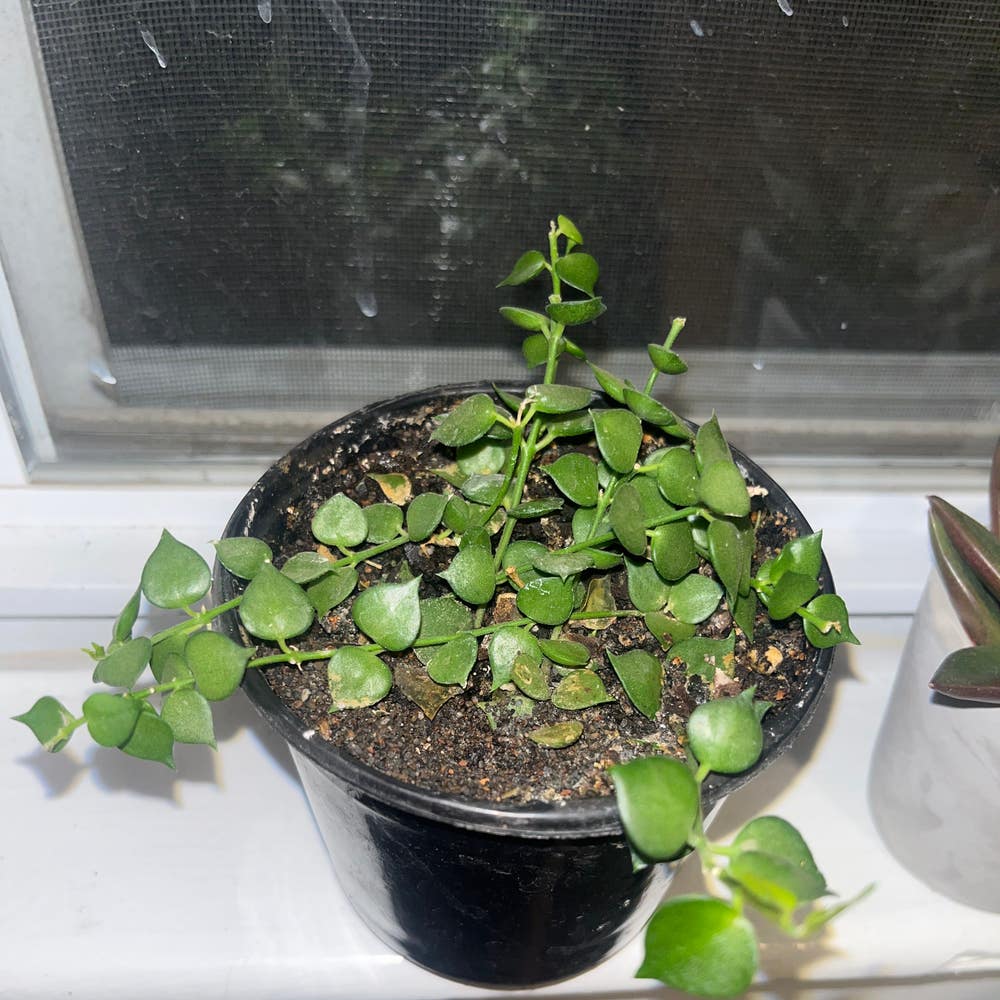
What Temperature Does My Million hearts Need?
Dischidia ruscifolia
By the Greg Editorial Team
Jun 18, 2024•5 min read
This article was created with the help of AI so we can cover more plants for you. May contain errors. See one? Report it here.
Discover how to keep your Million Hearts plant lush and happy 🌿 by nailing the perfect temperature sweet spot! 🌡️
- Ideal temps: 70°F-90°F day, 50°F-60°F night for Million Hearts plants.
- 🍂 Watch for leaf discoloration, wilting, stunted growth to spot temperature stress.
- Strategic placement and humidity balance are key to plant health.
Keeping It Cozy: Ideal Temperature Range for Million Hearts
Daytime delights: The Million Hearts plant thrives in a balmy range of 70°F to 90°F (21°C to 32°C). This is the plant's jam, its bread and butter, the sweet spot where it kicks back and photosynthesizes like a boss.
Nighttime naps: When the sun clocks out, your Million Hearts prefers a cooler ambiance. Aim for a nightly dip to 50°F to 60°F (10°C to 15°C). It's like the plant's version of slipping into some comfy PJs and getting a good night's rest.
Avoid temperature swings as if they were the plague. These plants don't appreciate surprises, especially the chilly kind. Keep drafts at bay and maintain a steady temp for a happy, healthy green friend.

When Heat Waves Hit: Recognizing Temperature Stress
🌡️ Signs Your Plant is Feeling the Heat (or Chill)
Leaf discoloration is a telltale sign of temperature stress. When leaves start looking like they've been through a rough day, with yellowing or brown spots, it's time to reassess your plant's location.
Wilting is the plant's way of saying, "I'm too hot to handle." If your Million Hearts has droopy leaves, it's likely suffering from moisture loss due to high temperatures.
Stunted growth is a silent alarm. If your plant seems to be stuck in slow motion, it's probably feeling the heat, quite literally.
🌞 Common Culprits of Temperature Tantrums
Direct sunlight can be a scorcher, leading to sunscald. Protect your Million Hearts by positioning it away from the intense midday sun.
Cold drafts are just as problematic. A spot near a drafty window can turn leaves dark brown or black, a clear sign of chill damage.
Keep an eye out for pest infestations; they love a plant under temperature stress. It's like ringing the dinner bell for bugs.
Avoid placing your plant too close to heaters or air conditioning units. These can create microclimates that lead to temperature-induced mood swings.
Remember, consistency is key. Fluctuating temperatures can shock your plant, causing more harm than a steady climate that's not quite perfect.

Quick Tips to Maintain the Ideal Temperature
🌿 Strategic placement: Finding the best spot in your home
Location is everything. Your Million Hearts plant doesn't want to sweat it out on a sun-drenched windowsill or shiver in a drafty corridor. Think Goldilocks: not too hot, not too cold, just right.
🌡️ Temperature tools: Using thermometers and heaters wisely
Thermometers are your secret agents, keeping tabs on the climate like a hawk. A reading too high? Time to dial down the heat. Too low? Maybe a space heater can save the day, but keep it at a plant-friendly distance.
🚨 Emergency moves: What to do when temperatures fluctuate
When your home's thermostat throws a tantrum, it's your cue to act fast. Too hot? Draw the curtains or move your plant to a cooler room. Too chilly? Insulate windows or introduce a warming mat, but avoid turning your living room into a sauna.

A Nod to Humidity: Keeping the Balance
🌡️ The Temperature-Humidity Tango
Temperature and humidity are the dynamic duo in the world of plant care. For your Million Hearts plant, striking the right balance is key. Warm air can hold more moisture, which means as the temperature in your home rises, the air can become drier. This can leave your plant thirsting for more than just water.
🌿 Recognizing the Right Humidity
A hygrometer is an essential tool for any plant enthusiast. It's like a secret agent that tells you exactly what the air in your room is up to. High humidity is a friend to your Million Hearts, but too much can lead to a soggy disaster. Aim for that sweet spot where the leaves look lush without feeling like a wet blanket.
💦 Strategic Humidity Adjustments
If your space is more Sahara than Amazon, it's time to up your game. Misting the leaves can give a quick humidity hit, or you can go for the long game with a humidity tray. Think of it as a spa day for your plant, where it gets to soak up all that good moisture from the air.
👯♀️ The Buddy System
Remember, plants are social creatures. Grouping them together creates a microclimate that can help maintain consistent humidity. It's like throwing a party where everyone brings their own drink – in this case, water vapor.
💨 Ventilation and Air Circulation
While still air is the enemy of moisture, a gentle fan can work wonders. It's the equivalent of a soft breeze on a stifling summer day – refreshing and necessary. Good air circulation helps prevent mold and keeps your Million Hearts feeling breezy.
🏝️ Humidity Havens
Don't forget about the natural humid spots in your home. Your kitchen and bathroom can be the perfect oasis for your humidity-loving plants. Just be sure to keep them away from direct heat sources that can dry them out faster than a desert wind.
⚠️ Safety First
This content is for general information and may contain errors, omissions, or outdated details. It is not medical, veterinary advice, or an endorsement of therapeutic claims.
Always consult a qualified healthcare professional before using any plant as food, medicine, or supplement.
Never eat any plant (or feed one to pets) without confirming its identity with at least two trusted sources.
If you suspect poisoning, call Poison Control (800) 222-1222, the Pet Poison Helpline (800) 213-6680, or your local emergency service immediately.
Spotted an error? Please report it here.
Keep your Million Hearts plant in the ideal climate 🌡 with Greg's personalized reminders to adjust your home environment for perfect growth.