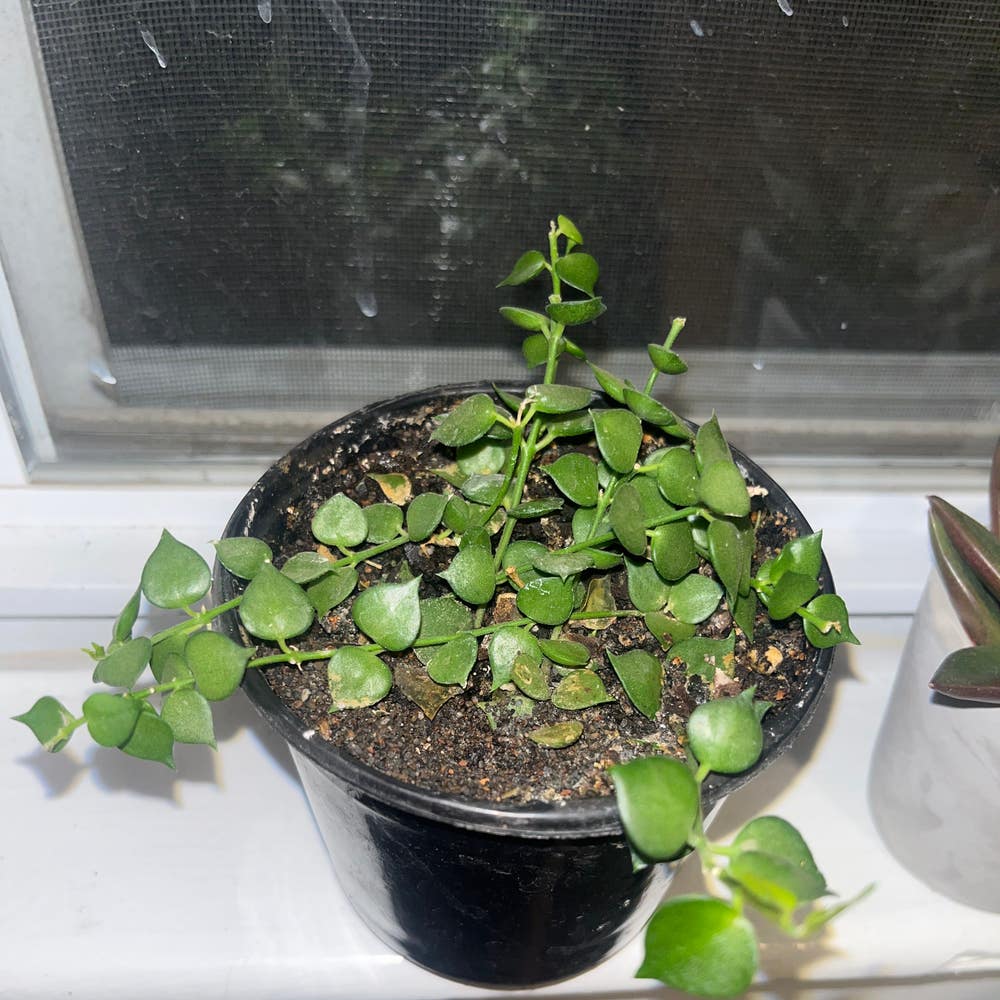
Symbolism and Benefits of the Million hearts
Dischidia ruscifolia
By the Greg Editorial Team
Jun 18, 2024•3 min read
This article was created with the help of AI so we can cover more plants for you. May contain errors. See one? Report it here.
Embrace the Million hearts plant 🌿—a symbol of love that blooms into health, wealth, and community ties.
- Symbol of love and prosperity, Million hearts enrich spaces emotionally and aesthetically.
- Stress-relieving and air-purifying, they're perfect for wellness-focused decor.
- Low-maintenance and community-friendly, ideal for busy bees and social gardeners alike.
A Tapestry of Symbolism and Cultural Threads
❤️ Love and Emotional Healing
The heart-shaped leaves of Million hearts are not just visually appealing; they are potent symbols of love and compassion. In various cultures, these plants are intertwined with emotional healing practices, often used to foster an environment of nurturing and restorative energy.
💰 Wealth and Abundance
Prosperity blooms in the presence of Million hearts, much like its lush, verdant growth. Drawing parallels from feng shui, where plants symbolize wealth, Million hearts can be seen as enhancing the ambiance of a space, inviting a sense of abundance and growth.

The Feel-Good Factor: Emotional and Physical Wellness
🌿 Stress Relief and Serenity
Million hearts plants are more than just a pretty sight; they're a sanctuary for the mind. Touching their heart-shaped leaves can usher in a sense of calm, a phenomenon supported by research highlighting the tranquil effects of plant interaction. They serve as an ideal companion in meditation and relaxation practices, transforming your space into a haven of peace.
🍃 Air Quality and Health
Breathing in the clean air around a Million hearts plant is akin to a refreshing breeze for your well-being. These plants are silent warriors in the battle against indoor air pollutants like formaldehyde, purifying your environment one breath at a time. The benefits of this cleaner air are far-reaching, positively impacting your mental clarity and physical health.

Effortless Beauty and Versatility
🌿 Easy on the Eyes and the Schedule
For the busy bee, Million hearts is a godsend. It's a plant that thrives on neglect, making it the dream for anyone starting their plant parenting journey.
Its low-maintenance nature means you can enjoy lush foliage without the high-maintenance fuss. No need to baby this beauty; it's as self-sufficient as they come.
🎨 Adaptable Decorator
Million hearts shines in decor versatility. Whether it's spilling out of a hanging basket or nestled in a terrarium, it adapts to your space and style with ease.
It's the plant that fits into any corner, brightening your home with its cascading greenery. And for those with a flair for design, it's a living piece of art that asks for nothing but a spot to grow.

Beyond Ornamental: Practical Perks and Community Ties
🐝 Pollinators' Paradise and Biodiversity
Million hearts isn't just a pretty sight; it's a pollinator magnet. When its delicate flowers bloom, they serve as a pit-stop for bees, butterflies, and other beneficial insects. This interaction is crucial for the health of our local ecosystems, encouraging biodiversity right in our backyards. Each plant contributes to a larger environmental tapestry, supporting food webs and plant reproduction.
👫 Social Greenery
In the realm of community bonding, Million hearts shines as a social catalyst. Plant swaps and gardening groups often use this plant as an icebreaker, fostering connections over shared cuttings. It's a conversation starter that can lead to lasting friendships and a stronger sense of community. Moreover, these gatherings can be a hotbed for knowledge exchange, from care tips to conservation efforts.
⚠️ Safety First
This content is for general information and may contain errors, omissions, or outdated details. It is not medical, veterinary advice, or an endorsement of therapeutic claims.
Always consult a qualified healthcare professional before using any plant as food, medicine, or supplement.
Never eat any plant (or feed one to pets) without confirming its identity with at least two trusted sources.
If you suspect poisoning, call Poison Control (800) 222-1222, the Pet Poison Helpline (800) 213-6680, or your local emergency service immediately.
Spotted an error? Please report it here.
Nurture your Million hearts into symbols of love 💚 with Greg's personalized care plans, ensuring they thrive as a serene and prosperous addition to your home.