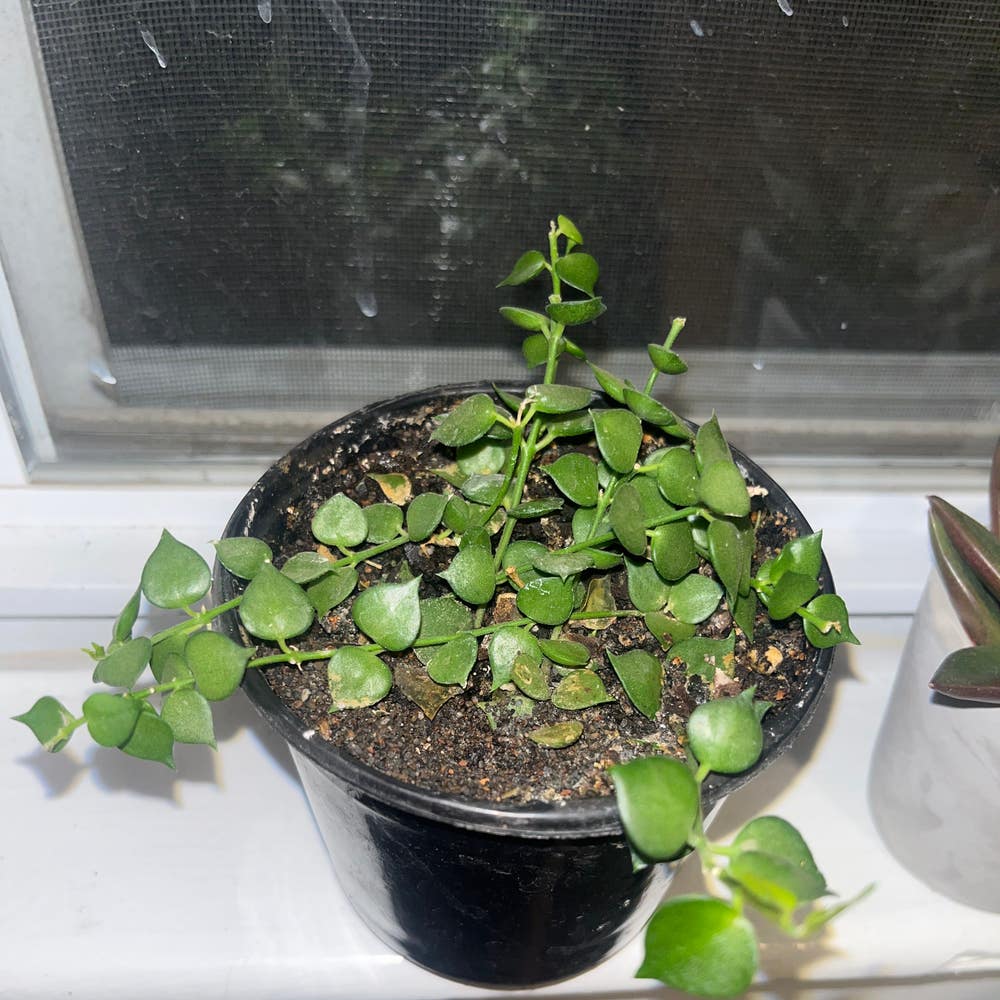
Why Are There Brown Spots on My Million hearts Leaves?
Dischidia ruscifolia
By the Greg Editorial Team
Jun 18, 2024•4 min read
This article was created with the help of AI so we can cover more plants for you. May contain errors. See one? Report it here.
Solve the mystery of brown spots on Million hearts leaves and restore plant health with expert tips. 🕵️♂️🌿
- Over/underwatering and fungi cause brown spots on Million hearts leaves.
- Immediate response and treatment are crucial for brown spot issues.
- Consistent care prevents spots: proper watering, light, and air circulation.
Spotting the Trouble: Identifying Brown Spots
🧐 Visual Symptoms
Brown spots on Million hearts leaves can range from subtle to obvious. They may appear as dry, crispy areas or as soggy, discolored patches. Often, a yellowish ring encircles these spots, signaling a problem beyond mere aesthetic displeasure. The spots' location—whether on the leaf's edge or center—can offer clues to their cause.
🚨 Immediate Response
Upon spotting these blemishes, act swiftly. Examine the extent of the discoloration: Is it a lone spot or a widespread issue? Feel the texture; if it's mushy, overwatering might be the culprit, while a dry, brittle texture could point to light issues. If the spots are raised or textured, suspect a fungal intruder. After assessing, improve the plant's conditions by checking for proper airflow and moisture levels. If fungus is suspected, apply a suitable fungicide, adhering strictly to the label's instructions. Post-treatment, monitor the plant closely for signs of recovery.

The Root of the Issue: Causes of Brown Spots
💧 Water Woes
Overwatering and underwatering are the usual suspects when it comes to brown spots on Million hearts leaves. Both extremes create stress for the plant, which manifests in those unsightly marks. It's a delicate balance; too much water suffocates the roots, while too little leaves the plant dehydrated and vulnerable.
🍄 Fungal Foes
Fungal infections are like uninvited guests that leave a mess behind. Look for rusty patches or circular spots on the leaves, a telltale sign of fungal shenanigans. High humidity and poor air circulation roll out the welcome mat for these organisms, leading to the dreaded brown spots.
🌿 Environmental Stress
Don't underestimate the silent stressors: light, humidity, and temperature. Million hearts can throw a fit when conditions aren't just right, resulting in brown spots. Too much direct sunlight or the wrong temperature can be as harmful as a bad haircut on picture day. Keep an eye on your plant's environment to ensure it's not under stress.

Healing Your Plant: Treating Brown Spots
🚰 Adjusting Your Watering Technique
Overwatering is often the culprit behind those pesky brown spots. It's time to get your watering schedule right. Ensure the soil's top layer is dry before you even think about giving your Million hearts another drink. Use a watering can with a precision spout to target the soil directly, bypassing the leaves to avoid creating a fungal playground.
🚰 Fine-Tuning Watering
- Cease watering at the first sign of trouble.
- Let the soil dry out completely, no exceptions.
- Check for proper drainage; repot if necessary using a well-draining mix.
- Trim away any rotted roots or leaves to stop the spread.
- When you resume watering, adopt a 'less is more' philosophy.
🛡️ Fighting the Fungus Among Us
If you've got a fungal fiesta on your hands, it's time to crash it. Remove infected leaves immediately to stop the spread. Sterilize your tools with bleach or alcohol to avoid passing the infection around. Improve air circulation around your plant; think of it as giving your Million hearts some breathing room.
🛡️ Choosing and Applying Fungicides
- Opt for organic treatments like sulfur or copper-based products if you're eco-conscious.
- For tougher cases, a systemic fungicide might be your best bet. Follow the label instructions to the letter.
- Always wear gloves and a mask for safety when applying chemicals.
By tackling the watering and the fungus issues head-on, you're setting your Million hearts on the road to recovery. Remember, vigilant care trumps all. Keep an eye on your plant, and with the right moves, those brown spots will be history.

Keeping Spots at Bay: Prevention Strategies
💧 Watering Wisdom
Consistency in watering is crucial for Million hearts plants. To prevent brown spots, ensure the soil is moist but not waterlogged. Use a moisture meter or the finger test—dry top inch means it's time to water. Water at soil level to keep leaves dry and happy.
🌿 Creating the Ideal Environment
Light is like plant food; too little and your Million hearts starve, too much and they burn. Aim for bright, indirect light. Temperature should be stable, avoiding drastic fluctuations. For humidity, think Goldilocks—not too high, not too low. Use a hygrometer to monitor and adjust with a humidifier or dehumidifier as needed. Ensure airflow to discourage fungal growth; a gentle fan can help, but avoid strong drafts. Rotate your plant periodically for even growth and to prevent disease hotspots. Regular inspections are your best defense; early detection means easier solutions.
⚠️ Safety First
This content is for general information and may contain errors, omissions, or outdated details. It is not medical, veterinary advice, or an endorsement of therapeutic claims.
Always consult a qualified healthcare professional before using any plant as food, medicine, or supplement.
Never eat any plant (or feed one to pets) without confirming its identity with at least two trusted sources.
If you suspect poisoning, call Poison Control (800) 222-1222, the Pet Poison Helpline (800) 213-6680, or your local emergency service immediately.
Spotted an error? Please report it here.
Banish brown spots 🍂 on your Million hearts by letting Greg tailor your plant's care with precise watering reminders and expert community advice!