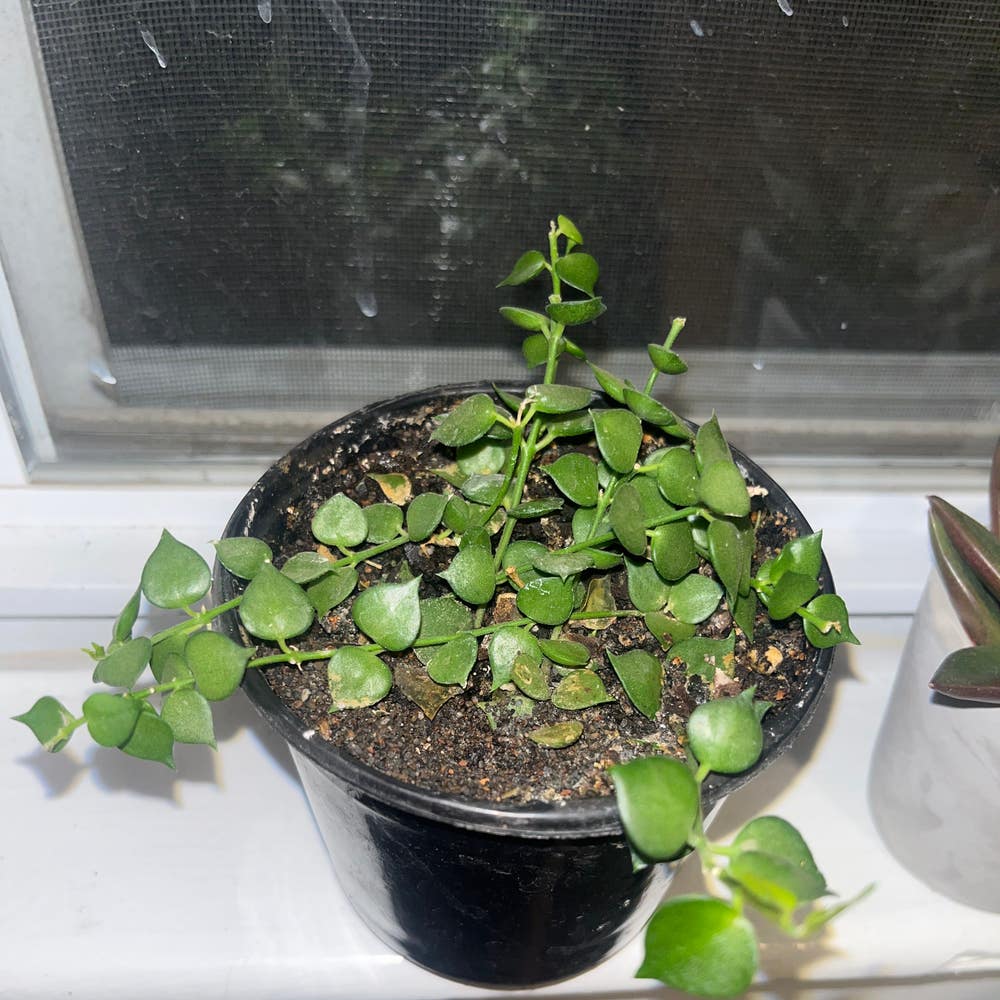
Why Is My Million hearts Not Doing Well?
Dischidia ruscifolia
By the Greg Editorial Team
Jun 18, 2024•4 min read
This article was created with the help of AI so we can cover more plants for you. May contain errors. See one? Report it here.
Nurse your Million hearts back to lush life 🌿 by tackling its care quirks head-on!
- 💧 Over/under-watering affects leaf health: aim for damp, not wet, soil.
- ☀️🌡️ Bright, indirect light and stable temps between 65°F-80°F are ideal.
- 🌱 Prevent pests and root rot with early detection and proper soil moisture.
Water Woes: Too Much, Too Little, and the Ugly Mold
💦 Over and Under-Watering
Spotting the Signs
Your Million hearts is a drama queen when it comes to water. Yellow leaves scream "I'm drowning!" while a wilted appearance whispers "I'm parched." If the soil's top inch feels like a dry martini, it's time to water. But if it's soggy, put that watering can down—your plant isn't throwing a pool party.
Striking the Balance
Watering is an art, not a science experiment. Aim for soil that's damp like a wrung-out sponge, not dripping wet. Water thoroughly, let it drain, and don't water again until the topsoil has dried out. Think of it like a trust fall—your Million hearts needs to know you've got its back without smothering it.
🍄 Mold and Fungus
When Dampness Spells Trouble
Mold and fungus are the uninvited guests at your plant's soiree. If you spot discolored leaves or a musty smell, it's time to crash their party. These troublemakers love wet leaves and poor air circulation, so keep foliage dry and your plant's area well-ventilated.
Drying Out the Problem
To evict mold and fungus, start by reducing watering and improving airflow. If you've got a serious infestation, consider a fungicide—but always read the label. And remember, prevention is better than cure, so adjust your watering habits to avoid a sequel.

Light and Temperature Tango
💡 Getting the Light Right
Million hearts plants are like Goldilocks; they prefer their light just right. If your plant's leaves are fading or crispy, it's time to reassess its sunbathing spots. Bright, indirect light is the sweet spot for these succulent vines. Too much direct sun can lead to leaf scorch, while too little can cause the leaves to lose their vibrant green hue and become elongated as they reach for more light.
🌡️ Temperature Consistency
Your Million hearts isn't a fan of temperature drama. Keep it steady between 65°F and 80°F to avoid temperature stress. Signs of discomfort include wilting or yellowing leaves when it's too hot, and slowed growth or discolored leaves when too cold. Think of maintaining temperature like setting the thermostat for a guest who can't tell you they're uncomfortable—observation is key.

Pests and Pathogens
🐛 Unwanted Guests
Early detection is your best defense against the pests that target Million hearts. Aphids, spider mites, and mealybugs are the usual suspects. They're not just creepy crawlies; they're plant juice thieves, sucking the life out of your green companion.
To spot these pests, look for sticky residue on leaves or the appearance of tiny webs. If you catch them in the act, don't panic. A strong spray of water can dislodge the more visible critters. For a more persistent problem, insecticidal soap or neem oil are your go-to solutions. Apply with gusto.
Remember, introducing natural predators like ladybugs can turn the tide in your favor. These little warriors love to feast on aphids, making them an eco-friendly reinforcement to your pest control arsenal.
🌱 Root Rot: The Silent Killer
Root rot is the ninja of plant diseases—silent and devastating. It's a sign you've been a bit too generous with water. Yellowing leaves and a mushy base are your red flags. If your plant's roots are more brown than white and have a funky smell, it's time to act.
First, remove the affected roots with sterile scissors. Then, repot your Million hearts in fresh, well-draining soil. Consider a pot with better drainage to prevent a soggy situation in the future.
Prevention is key. Ensure your watering schedule allows the soil to dry out between drinks. And don't let your plant sit in water; think of it as a no-pool party rule. Keep an eye out for early signs of trouble, and you'll keep root rot from crashing the party.

When Leaves Suffer: Scorch and Stunt
🌞 Leaf Scorching
Recognizing the Red Flags
Leaf scorch in Million hearts plants is like a distress signal. Brown edges or patches on leaves indicate your plant has had too much sun. It's a cry for help, a plea for less light and potentially more water.
Immediate Interventions
Move your plant to a shadier spot immediately. If the leaves are severely burnt, consider trimming the damaged parts. Ensure the plant is hydrated but not waterlogged. This won't fix the scorched leaves, but it will prevent further damage.
💔 Stunted Growth and Yellowing
Growth Check
If your Million hearts is not thriving, look for signs like stunted growth or yellowing leaves. This could be a signal of various stressors, from improper watering to nutrient deficiencies.
Revitalizing Tactics
To combat stunted growth, reassess your watering schedule and ensure your plant is getting the right amount of light. Consider a nutrient boost; a balanced fertilizer can sometimes kickstart growth. Remember, consistency is key in plant care.
⚠️ Safety First
This content is for general information and may contain errors, omissions, or outdated details. It is not medical, veterinary advice, or an endorsement of therapeutic claims.
Always consult a qualified healthcare professional before using any plant as food, medicine, or supplement.
Never eat any plant (or feed one to pets) without confirming its identity with at least two trusted sources.
If you suspect poisoning, call Poison Control (800) 222-1222, the Pet Poison Helpline (800) 213-6680, or your local emergency service immediately.
Spotted an error? Please report it here.
Keep your Million hearts plant flourishing 💚 with Greg's custom care reminders, ensuring you nail the perfect watering rhythm and spot pesky intruders early.