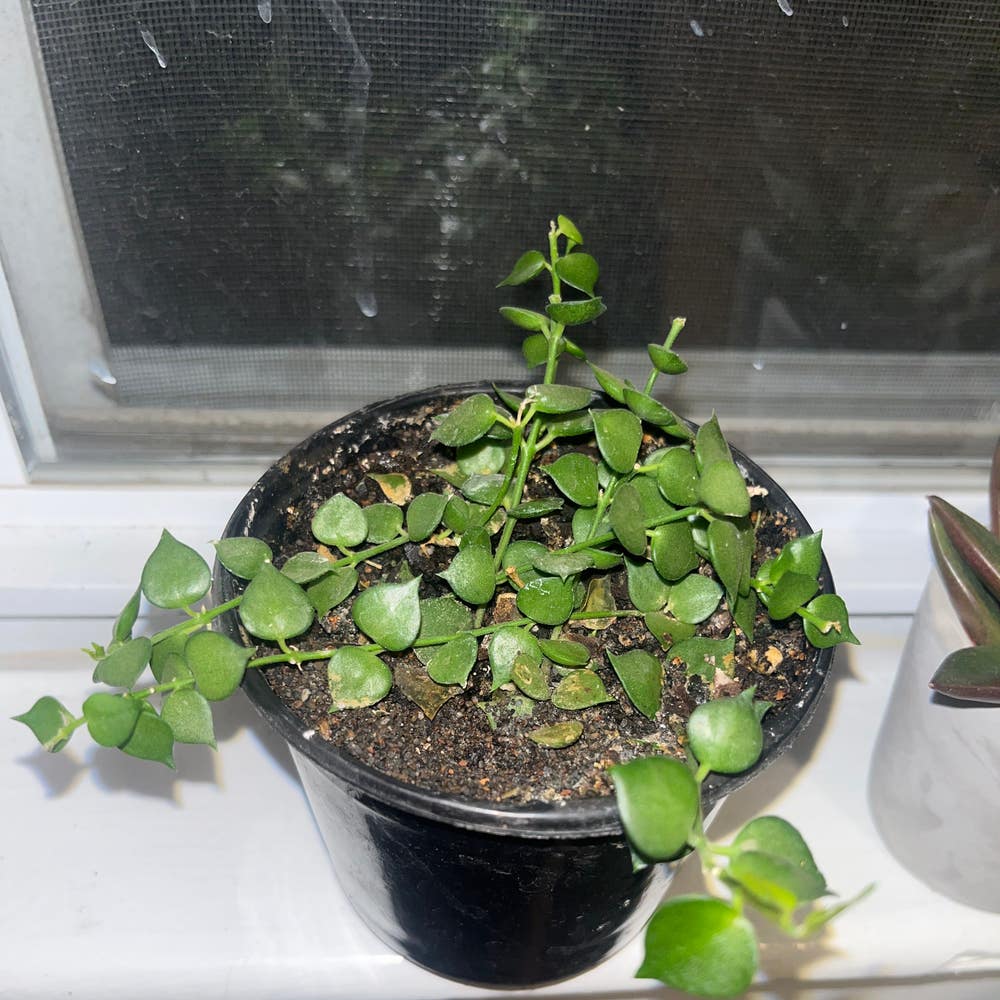
💖 Million Hearts: Not an Invasive Plant
Dischidia ruscifolia
By the Greg Editorial Team
Sep 28, 2024•5 min read
This article was created with the help of AI so we can cover more plants for you. May contain errors. See one? Report it here.
Elevate your garden's beauty and biodiversity with Million Hearts 🌱, the perfect non-invasive plant for every space!
- 🌱 Million Hearts is non-invasive, making it a safe and responsible garden choice.
- 🌞 Versatile in light conditions, it thrives from low light to bright environments.
- 🐝 Attracts beneficial insects, enhancing pollination and supporting local biodiversity.
Plant Classification
🌱 Definition of Invasive Plants
Invasive plants are species that spread aggressively outside their native range. They often disrupt local ecosystems, outcompeting native flora and fauna.
🌼 Characteristics of Million Hearts that Prevent Invasiveness
Million Hearts stands out for its low growth habit, making it perfect for confined spaces. This plant thrives in various light conditions, from low to bright, ensuring versatility in different garden settings.
Its limited spread potential is another key feature. Million Hearts prefers well-drained soil, which naturally restricts its growth and helps maintain balance in the ecosystem.
By understanding these characteristics, gardeners can appreciate why Million Hearts is a safe choice for their landscapes. This plant not only beautifies spaces but also supports local biodiversity without the risks associated with invasive species.
As we explore its growth habits next, we'll see how these traits manifest in practical gardening scenarios.
Growth Habits
Typical Growth Patterns in Gardens 🌱
Million Hearts is a low-growing, trailing plant that shines in container gardening. Its heart-shaped leaves, reaching up to 2 inches in length, add a charming touch to any space.
Natural Limits to Growth and Spread Potential 🌍
This plant exhibits a moderate growth rate, typically maxing out at heights between 12 to 24 inches. It thrives in well-drained soil and is surprisingly drought-tolerant, making it a resilient choice for various garden conditions.
Summary of Growth Characteristics 📊
- Growth Form: Ideal for containers and hanging baskets.
- Leaf Size: Heart-shaped leaves enhance visual appeal.
- Height: Grows moderately, maintaining a manageable size.
With its adaptable nature and unique aesthetics, Million Hearts is a fantastic addition to any garden. Next, we’ll explore its ecological role and the benefits it brings to local ecosystems.
Ecological Role
Benefits in Ecosystems 🌍
Million Hearts plants play a vital role in enhancing biodiversity. They attract beneficial insects, which are essential for pollination and pest control.
These plants also provide crucial habitat, offering shelter for small wildlife. This creates a thriving ecosystem where various species can coexist and flourish.
Positive Interactions with Local Wildlife 🦋
Supporting local fauna is another significant benefit of Million Hearts. They provide food and habitat for insects and small animals, fostering a balanced environment.
Additionally, these plants excel in companion planting. They coexist harmoniously with other plants, enriching the overall garden ecosystem and promoting healthy growth.
Incorporating Million Hearts into your garden not only beautifies the space but also contributes positively to the local environment. This makes them an excellent choice for sustainable gardening practices.
As we explore garden management strategies next, consider how these plants can be effectively integrated into your designs for maximum ecological benefit.
Garden Management Strategies
Effective Incorporation into Garden Designs 🌼
Million Hearts is a versatile plant that can enhance any garden. Consider using it in hanging baskets or as ground cover to create lush, vibrant displays.
Pairing Million Hearts with other non-invasive plants can also boost your garden’s aesthetic. This companion planting not only looks great but supports a healthy ecosystem.
Growth Control Methods for Aesthetic Purposes ✂️
To keep your Million Hearts looking their best, regular pruning is essential. Trim back growth to maintain the desired shape and encourage bushier foliage.
Container gardening is another effective strategy. By planting in pots, you can limit root spread and control growth more easily.
Monitoring moisture is crucial as well. Ensure the soil is well-drained to prevent overwatering, which can lead to root rot.
With these strategies, you can enjoy the beauty of Million Hearts while maintaining a healthy garden environment. Next, let’s explore how this plant interacts with local wildlife and contributes to the ecosystem.
Comparison to Other Plants
🌱 Similar Non-Invasive Plants
When considering non-invasive plants, Million Hearts stands out alongside other tropical epiphytes, like String of Hearts. Both plants share a low-growing, trailing habit, making them ideal for container gardening and hanging baskets.
However, Million Hearts has a unique advantage: it thrives in a range of light conditions. While String of Hearts prefers bright, indirect light, Million Hearts can adapt to both low and bright environments, making it a versatile choice for various garden settings.
💖 Unique Qualities
One of the most striking features of Million Hearts is its distinctive heart-shaped leaves. These leaves not only add visual interest but also create a lush, inviting atmosphere in any garden.
Additionally, Million Hearts exhibits versatile growth habits. It can serve as ground cover or cascade beautifully from containers, adapting effortlessly to your gardening style. This adaptability makes it a favorite among gardeners looking to enhance their spaces without the worry of invasiveness.
In summary, Million Hearts offers a unique blend of beauty and practicality, making it a stellar choice for any garden enthusiast. As we explore its ecological role next, you'll see how it contributes positively to local ecosystems.
Legal and Environmental Considerations
Relevant Classifications and Guidelines 🌱
When considering planting Million Hearts, it's essential to be aware of local regulations. Many regions have specific guidelines to prevent the introduction of invasive species, and Million Hearts is classified as a non-invasive plant.
This classification means you can enjoy its beauty without worrying about it overtaking your garden or local ecosystems. Always check local guidelines to ensure compliance and promote responsible gardening practices.
Role in Sustainable Gardening Practices 🌍
Million Hearts plays a vital role in supporting biodiversity. By attracting beneficial insects and providing habitats for small wildlife, it contributes positively to local ecosystems.
Incorporating non-invasive plants like Million Hearts into your garden promotes sustainable gardening practices. This not only enhances your garden's aesthetic but also supports the environment, making your gardening efforts both beautiful and impactful.
As you plan your garden, consider the ecological benefits of choosing non-invasive plants. It’s a small step that can lead to significant positive changes in your local environment.
Transitioning to the next topic, let’s explore how to effectively incorporate Million Hearts into your garden designs.
⚠️ Safety First
This content is for general information and may contain errors, omissions, or outdated details. It is not medical, veterinary advice, or an endorsement of therapeutic claims.
Always consult a qualified healthcare professional before using any plant as food, medicine, or supplement.
Never eat any plant (or feed one to pets) without confirming its identity with at least two trusted sources.
If you suspect poisoning, call Poison Control (800) 222-1222, the Pet Poison Helpline (800) 213-6680, or your local emergency service immediately.
Spotted an error? Please report it here.
Transform your garden with Million Hearts' beauty 🌿 while Greg provides tailored care tips to help this adaptable plant flourish effortlessly in any space!