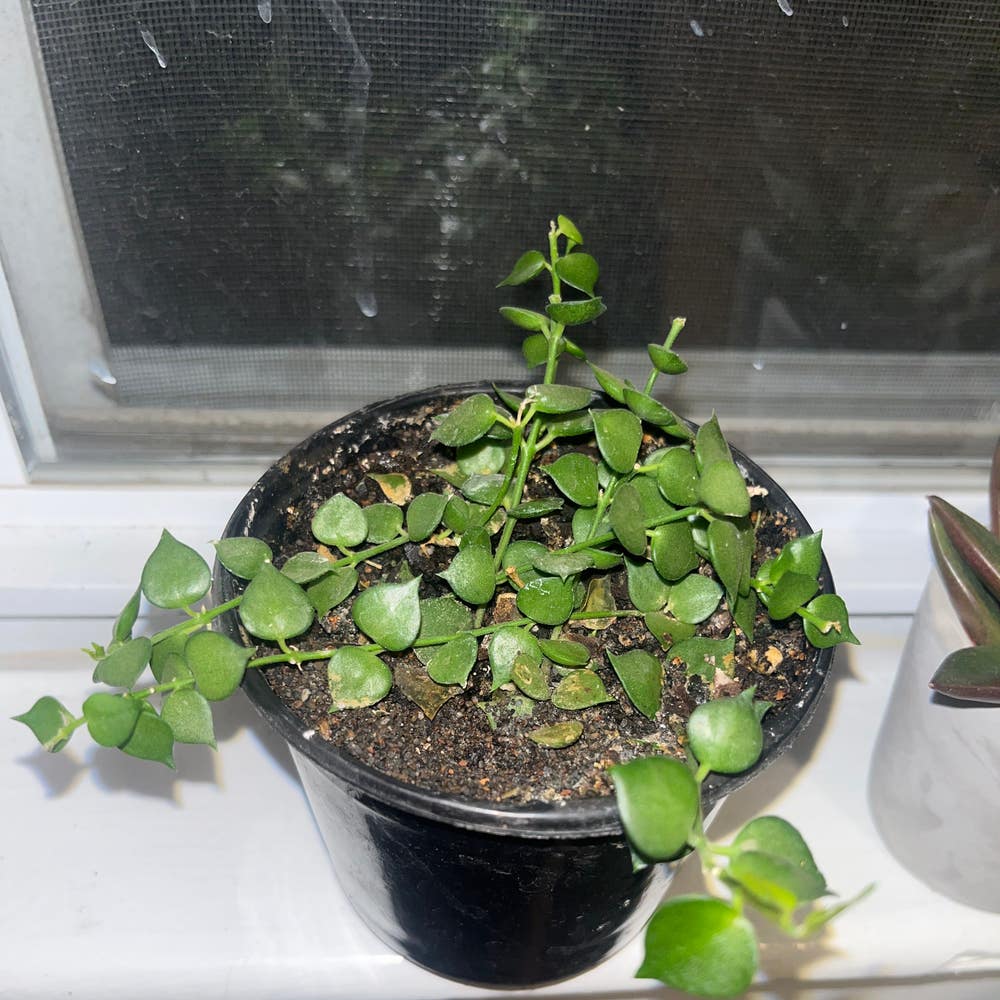
Why Are My Million hearts Leaves Falling Over?
Dischidia ruscifolia
By the Greg Editorial Team
Jun 18, 2024•4 min read
This article was created with the help of AI so we can cover more plants for you. May contain errors. See one? Report it here.
Stop the droop in your Million Hearts plant 🌿 with expert tips to keep leaves lively and lifted!
- 💧 Water wisely: Keep soil damp, not drenched, and water when top inch is dry.
- ☀️ Bright, indirect light needed: Adjust lighting to prevent droop.
- 🌱 Feed and support: Fertilize monthly and use soft ties for weak stems.
Perfecting Your Watering Technique
💧 Spotting the Signs of Water Woes
Million Hearts plants can be drama queens when it comes to watering. Overwatering leads to yellowing leaves, a telltale sign of soggy despair. On the flip side, underwatering leaves the plant as wilted as a forgotten lettuce in the fridge. If the soil feels more like a swamp than a fertile bed, it's time to ease up on the H2O. Conversely, soil that's drier than your humor on a bad day is crying out for a drink.
🌊 The Goldilocks Zone for Moisture
Finding the watering sweet spot is like a quirky dance move—awkward at first, but smooth once you get the rhythm. Aim for soil that's damp, not drenched. Consistency is your best friend here; water when the top inch of soil feels like a dry handshake—not too clingy, not too standoffish. And remember, your plant's thirst changes with the seasons—more gulps in the summer, sips in the winter. If you're second-guessing your touch, a moisture meter can be the unbiased judge you need.

Let There Be Light (But Not Too Much)
💡 Assessing Your Light Situation
Million Hearts plants are like Goldilocks when it comes to light—they want it just right. Too much light, and you've got a crispy leaf situation on your hands; too little, and your plant starts to resemble a slouching teenager. To avoid the extremes, observe your plant's posture. If it's leaning like it's trying to catch a glimpse of the sun, it's time to reassess its spot in your home.
💡 Adjusting the Spotlight
Finding the ideal lighting conditions is a bit like tuning an instrument—precision is key. Start by placing your Million Hearts in a location that offers bright, indirect sunlight. If you notice the leaves are still drooping or reaching, consider moving it closer to a light source, but never in direct sunlight that could scorch the leaves. Artificial grow lights can be a lifesaver during those gloomy days, but keep them at a cozy distance—about 8-16 inches should do the trick. Remember to rotate your plant regularly to prevent it from doing the Leaning Tower of Pisa impression. Keep an eye on how the light changes with the seasons and adjust your plant's position accordingly, because consistency is what your green buddy craves.

Feeding Your Plant's Ambitions
💡 The Telltale Signs of Hunger
Yellowing leaves are the silent alarm for nutrient deficiency in your Million Hearts plant. A lackluster growth, with leaves that seem to have lost their will to stand, often points to a lack of essential nutrients. Nitrogen, potassium, and phosphorus are the usual suspects when your green companion starts looking more like a wilted salad than a vibrant plant.
🍽️ Crafting the Perfect Meal Plan
A balanced diet is as crucial for your plant as it is for you. Fertilize with a half-strength liquid solution monthly during the growing season to keep your Million Hearts robust. Remember, overfeeding is the botanical equivalent of a sugar high—exciting at first, but detrimental in the long run. Adjust your feeding strategy with the seasons and your plant's life cycle, keeping a keen eye on its response. If your plant's leaves perk up, you're on the right track; if they continue to droop, it's time to reassess your approach.
Soil quality can't be overlooked—it's the foundation of your plant's nutrition. Incorporate compost or other amendments to rejuvenate nutrient-depleted soil. Monitor your plant like it's the star of a reality show, looking for signs of improvement or distress. Remember, patience is a virtue, especially in plant care.

Propping Up Your Plant
🌱 When to Lend a Helping Hand
Your Million Hearts plant might be signaling an SOS if you notice a lean. It's time for intervention when stems resemble overcooked spaghetti rather than sturdy vines. Physical support is needed when your plant's own strength isn't cutting it, especially if you've ruled out other issues like watering, light, or pests.
🛠 DIY Plant Support
Creating a support system for your plant is like crafting a personalized scaffold. Stakes and trellises are your go-to tools. Insert them gently into the soil near the plant's base, avoiding root damage. Use soft ties, like strips of old t-shirts or special plant ties, to secure stems without cutting into them. Adjust as needed; as your plant grows, it might need a little slack or a tighter hug. Remember, this isn't a permanent crutch, just a temporary boost while your Million Hearts regains its posture.
⚠️ Safety First
This content is for general information and may contain errors, omissions, or outdated details. It is not medical, veterinary advice, or an endorsement of therapeutic claims.
Always consult a qualified healthcare professional before using any plant as food, medicine, or supplement.
Never eat any plant (or feed one to pets) without confirming its identity with at least two trusted sources.
If you suspect poisoning, call Poison Control (800) 222-1222, the Pet Poison Helpline (800) 213-6680, or your local emergency service immediately.
Spotted an error? Please report it here.
Avoid the droop in your Million Hearts with Greg's custom reminders 💧 for the perfect watering, lighting, and feeding schedule that keeps your plant upright and thriving.