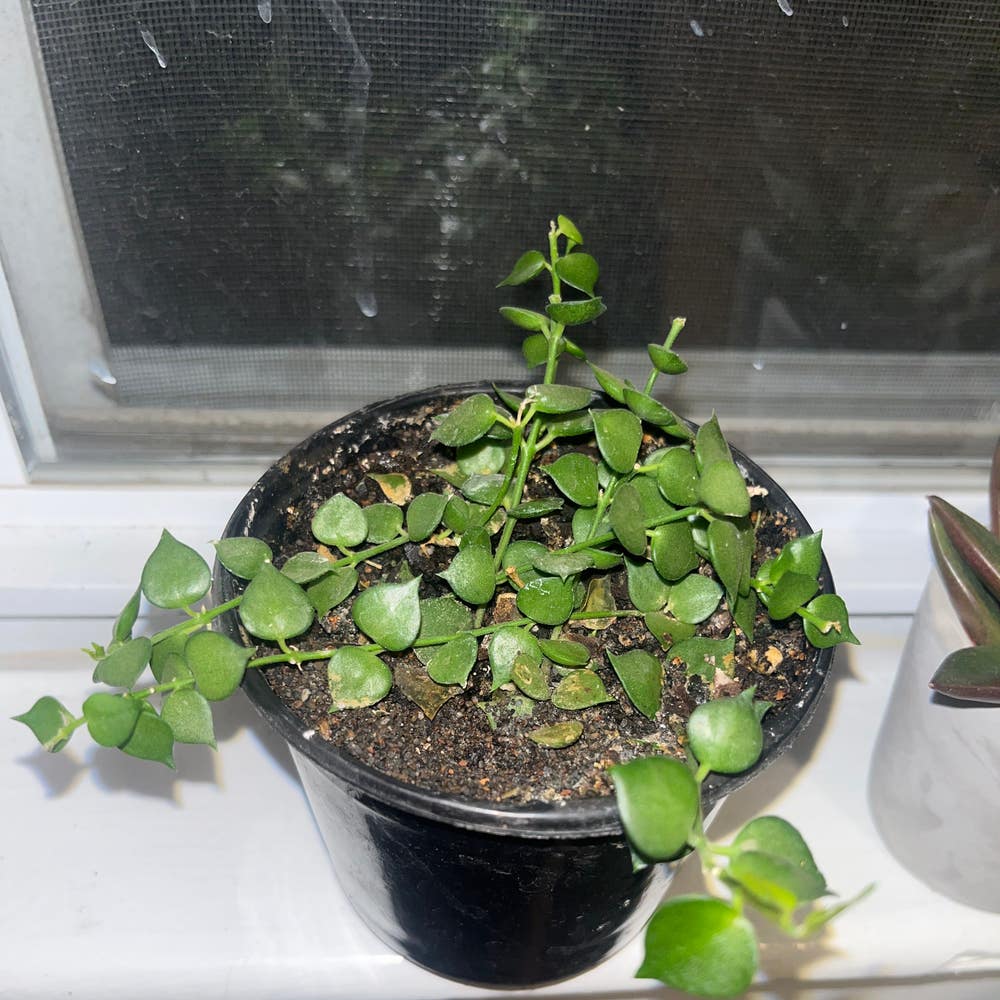
Best Soil for Million hearts
Dischidia ruscifolia
By the Greg Editorial Team
Jun 18, 2024•3 min read
This article was created with the help of AI so we can cover more plants for you. May contain errors. See one? Report it here.
Nurture a lush Million hearts 🌿 with this guide to perfect soil—spot, fix, and mix for plant prosperity!
- Mold signals unhappy soil; improve drainage and let soil dry to fix.
- Choose or mix soil with good aeration, drainage, and nutrient balance.
- Repot in spring/summer with a slightly larger pot for Million hearts health.
Spotting and Fixing Unhappy Soil for Your Million Hearts
🚩 Recognizing the Tell-Tale Signs
Mold in your Million hearts' soil isn't just a visual nuisance; it's a red flag. Look out for a fuzzy or slimy layer on the surface, a musty smell, or waterlogged soil that clings to roots like unwanted gum on a shoe. These signs scream "unhappy soil" and demand immediate action.
🛠 Quick Fixes for Soil Woes
Unblock drainage holes; they're as vital as the arteries to your heart. If they're clogged, your plant's roots might be drowning. Next, cut back on the H2O and let the soil dry out a bit. Consider a soil mix that's one-third organic and two-thirds mineral to keep things airy. If mold's still partying, it's repotting time—out with the old soil, in with a fresh, sterile mix. Remember, your Million hearts prefers its soil like a dry martini—not too wet.

Picking the Perfect Soil Mix
🌱 Store-Bought Mixes: What to Look For
When hunting for commercial soil mixes for your Million hearts, think 'Goldilocks': not too heavy, not too light. Aeration is key, so opt for a mix that feels fluffy in your hands. Check the ingredient list for peat moss and perlite; they're the dynamic duo for moisture retention and drainage. Be eco-smart—organic options are out there, like Nature's Care Organic Potting Mix, which is kind to both plants and planet.
🌿 DIY Soil Magic
Roll up your sleeves—it's time to mix some soil. Your Million hearts will thank you for a custom blend. Start with a nutrient-rich potting soil base. Add coarse sand or grit for that all-important drainage, and don't forget perlite or pumice to keep things airy. Aim for a third organic material and two-thirds mineral components. The result? A loose, crumbly mix that's like a mosh pit for roots. Remember, you're the chef—tweak the recipe as your plant responds.

Repotting Million Hearts with Confidence
🌱 The Right Time and Technique
Spring and summer are your go-to seasons for repotting Million hearts—think of it as their personal growth spurt. Rootbound or cramped? That's your cue. Gently coax the plant out, trim any excess roots, and settle it into a new pot that's just a size up. Water it like it's just run a marathon, and then let it bask in some gentle, indirect sunlight.
🏺 Pot Choices to Match Your Soil
Terracotta or clay pots aren't just for aesthetics; they're like breathable workout gear for your plant's roots. When choosing a pot, think snug but not tight—oversized pots are a no-go. They can drown your plant in soil, and nobody wants that. Keep it cozy with a pot that's just a smidge larger than the last.

Keeping the Soil in Top Shape
🛡️ Preventing Soil Problems Before They Start
Regular maintenance is your Million hearts' best defense against soil-related woes. To keep your soil from becoming a plant's nightmare, monitor moisture levels; water only when the top inch feels dry. Organic matter is your soil's best friend; mix in compost annually to maintain nutrient density and structure.
🚑 When Trouble Strikes: Soil First Aid
When your Million hearts sends out an SOS, it's time for soil first aid. Root rot? Improve drainage by mixing in perlite or coarse sand. Notice a change in soil texture or color? It might be time to refresh the soil to prevent further distress. And don't forget, clean pots and fresh soil are like a reset button for your plant's health.
⚠️ Safety First
This content is for general information and may contain errors, omissions, or outdated details. It is not medical, veterinary advice, or an endorsement of therapeutic claims.
Always consult a qualified healthcare professional before using any plant as food, medicine, or supplement.
Never eat any plant (or feed one to pets) without confirming its identity with at least two trusted sources.
If you suspect poisoning, call Poison Control (800) 222-1222, the Pet Poison Helpline (800) 213-6680, or your local emergency service immediately.
Spotted an error? Please report it here.
Ensure your Million hearts plant flourishes with perfectly balanced soil 🌱 by following Greg's tailored maintenance reminders and potting mix tips.