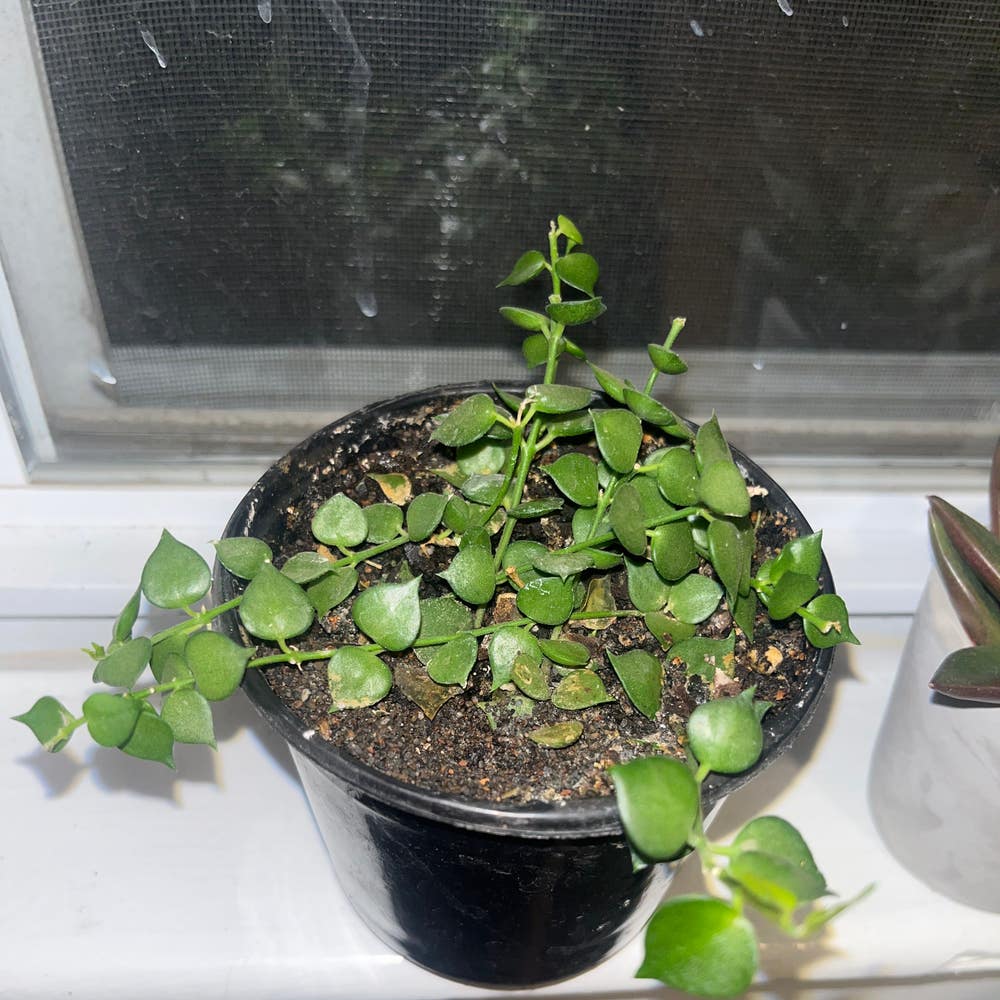
5 Outdoor Care Hacks for Million Hearts ❤️
Dischidia ruscifolia
By the Greg Editorial Team
Sep 28, 2024•5 min read
This article was created with the help of AI so we can cover more plants for you. May contain errors. See one? Report it here.
Transform your Million Hearts 🌱 into vibrant beauties with these essential care tips for thriving growth!
- 🌞 Million Hearts need 4-6 hours of indirect sunlight to prevent leaf scorch.
- 💧 Water when top 1-2 inches of soil are dry; adjust based on climate.
- 🌱 Use well-draining soil and fertilize every 4-6 weeks for optimal growth.
Sunlight Needs
Ideal Sunlight Exposure 🌞
Million Hearts thrive in bright, indirect sunlight. Direct sunlight can scorch their delicate leaves, so aim for 4-6 hours of filtered sunlight each day to keep them happy and healthy.
Signs of Insufficient or Excessive Light 🔍
Watch for signs that your plant isn't getting the right light. If you notice stretched stems and smaller leaves, it’s likely not getting enough light. Conversely, if the leaves are burning or fading in color, it’s a clear indication of too much sunlight.
Understanding these light needs is crucial for the overall health of your Million Hearts. With the right conditions, you’ll set the stage for vibrant growth and stunning foliage.
Watering Requirements
Watering Frequency 🌊
To keep your Million Hearts thriving, water when the top 1-2 inches of soil feel dry. Depending on your climate, this usually means watering every 1-2 weeks.
Watering Techniques 💧
Always use room temperature water to prevent shocking your plant. Make sure to water thoroughly until you see excess draining from the bottom of the pot.
Signs of Overwatering and Underwatering 🚨
Watch for yellowing leaves, which can indicate overwatering and potential root rot. Conversely, if you notice wilting or crispy leaf edges, it’s a sign of underwatering.
Understanding these watering requirements will help you maintain a healthy plant. Next, let’s explore the ideal soil preferences for your Million Hearts.
Soil Preferences
Ideal Soil Composition 🌱
For Million Hearts, the right soil is crucial. Aim for a well-draining mix rich in organic matter, combining potting soil, perlite, and peat moss for optimal growth.
Soil pH ⚗️
These plants thrive in slightly acidic to neutral pH levels, ideally between 6.0 and 7.0. Monitoring pH ensures your Million Hearts get the nutrients they need.
Importance of Drainage 🚰
Good drainage is non-negotiable. It prevents root rot and promotes healthy growth, allowing your plants to flourish without the risk of soggy roots.
Understanding these soil preferences sets the foundation for successful outdoor care. Next, let’s dive into the fertilization guidelines to keep your Million Hearts thriving.
Fertilization Guidelines
Fertilization Schedule 🌱
To keep your Million Hearts thriving, fertilize every 4-6 weeks during the growing season, which spans spring and summer. This regular feeding helps support robust growth and vibrant foliage.
Types of Fertilizers 🧪
Opt for a balanced, water-soluble fertilizer with an NPK ratio of 20-20-20. This ensures your plant receives equal parts nitrogen, phosphorus, and potassium, promoting overall health.
Signs of Nutrient Deficiency ⚠️
Watch for yellowing leaves, which can indicate a nitrogen deficiency. If you notice stunted growth, it might be a sign of insufficient phosphorus or potassium.
By following these fertilization guidelines, you can ensure your Million Hearts gets the nutrients it needs to flourish. Next, let’s explore how to protect your plants from environmental stressors and pests.
Protection Strategies
🌦️ Weather Protection Techniques
To safeguard your plants from extreme weather, consider using row covers or shade cloth. These tools provide essential protection during both intense heat and unexpected frost.
Mulching around the base of your plants is another effective strategy. It helps retain moisture and regulates soil temperature, creating a more stable environment for growth.
🐛 Managing Outdoor Pests
Outdoor pests can be a real headache for gardeners. Common culprits include aphids, spider mites, and mealybugs, which can quickly damage your plants if left unchecked.
To combat these pests, you can use neem oil or insecticidal soap. Additionally, introducing beneficial insects, like ladybugs, can naturally help control pest populations.
🦠 Common Diseases and Solutions
Root rot is a significant concern, often caused by overwatering. The best prevention is ensuring proper drainage in your pots and garden beds.
Another common issue is leaf spot, a fungal disease that can spread quickly. Treat it with fungicides and improve air circulation around your plants to minimize the risk.
By implementing these protection strategies, you can create a healthier environment for your plants, allowing them to thrive despite the challenges of outdoor gardening. Next, let’s explore seasonal care tips to keep your plants flourishing throughout the year.
Seasonal Care
Spring Care Tips 🌱
As the days grow longer, it's time to kickstart your Million Hearts' growth. Begin fertilization to provide essential nutrients as the plant awakens from winter dormancy.
Inspect your plants regularly for pests and diseases. Early detection can save your plants from potential damage.
Summer Care Tips ☀️
With rising temperatures, your Million Hearts will need more water. Increase the watering frequency to keep the soil consistently moist.
During extreme heat, providing shade can help protect your plants from scorching. A little extra care goes a long way in maintaining their health.
Fall Care Tips 🍂
As growth slows, it's essential to gradually reduce watering. This helps your plants prepare for the cooler months ahead.
If you have containers, consider moving them indoors to protect against potential frost. A proactive approach can ensure your plants thrive through the winter.
Winter Care Tips ❄️
Frost can be detrimental, so protect your Million Hearts by bringing them indoors if temperatures dip below 50°F (10°C). This simple step can make a significant difference.
During winter, reduce both fertilization and watering frequency. Your plants will appreciate the rest as they enter a dormant phase.
Transitioning through the seasons requires attention and care, but with these tips, your Million Hearts will flourish year-round. Next, let's explore how climate zones can influence your outdoor care strategies.
Climate Zone Considerations
🌍 Best Zones
Million Hearts thrive in USDA zones 10-11, where temperatures are warm and conditions are ideal for growth. In cooler zones, they can be grown as annuals, bringing vibrant color to your garden for a single season.
☀️ Adjusting Care Based on Climate
In humid climates, you'll want to water less frequently. This helps prevent fungal diseases, which can thrive in moisture-rich environments.
Conversely, in dry climates, increase your watering routine. Consider using humidity measures like pebble trays to keep your plants happy and hydrated.
Understanding your climate zone is crucial for successful Million Hearts care. Tailoring your approach based on local conditions ensures your plants flourish, setting you up for a vibrant garden year-round.
Next, let’s explore seasonal care tips to keep your Million Hearts thriving throughout the year.
⚠️ Safety First
This content is for general information and may contain errors, omissions, or outdated details. It is not medical, veterinary advice, or an endorsement of therapeutic claims.
Always consult a qualified healthcare professional before using any plant as food, medicine, or supplement.
Never eat any plant (or feed one to pets) without confirming its identity with at least two trusted sources.
If you suspect poisoning, call Poison Control (800) 222-1222, the Pet Poison Helpline (800) 213-6680, or your local emergency service immediately.
Spotted an error? Please report it here.
Keep your Million Hearts thriving 🌿 with Greg's personalized watering reminders and expert care tips that ensure they flourish in any season!