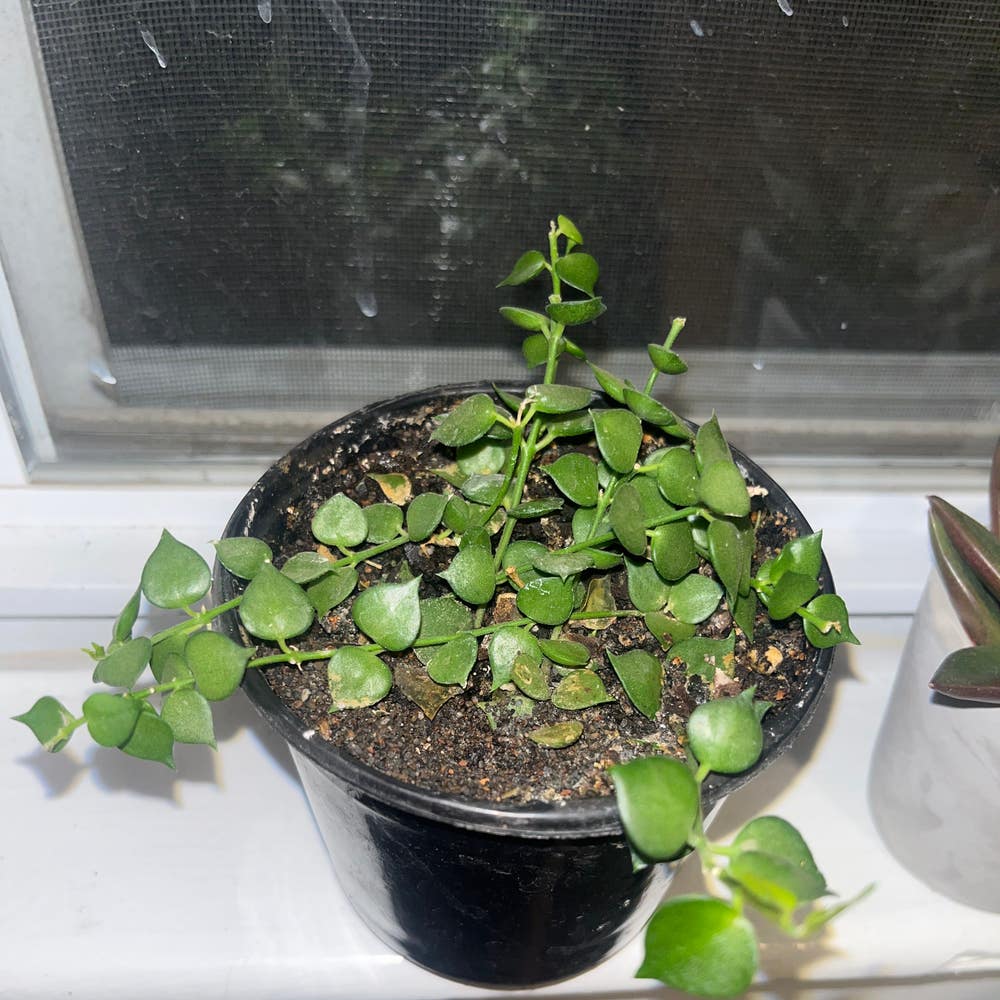
Why Are My Million hearts Leaves Mushy? 💧
Dischidia ruscifolia
By the Greg Editorial Team
Jun 18, 2024•4 min read
This article was created with the help of AI so we can cover more plants for you. May contain errors. See one? Report it here.
Revive your Million Hearts from mushy despair 🍂 with savvy watering and root care tips!
- 🚫 Overwatering leads to mushy leaves; let soil dry between waterings.
- 🌱 Spot root rot early with signs like yellowing leaves and bad odor.
- ✂️ Prune and repot for recovery using well-draining soil and pots.
Spotting Trouble: Signs Your Million Hearts Leaves Are Too Mushy
🚨 Visual Symptoms
In the quest to keep your Million Hearts plant thriving, discoloration is the flashing neon sign of distress. Leaves that take on a yellow or brown hue are crying out for your attention. They shouldn't resemble overcooked spinach; that's a visual red flag for overwatering or potential disease.
🖐️ Tactile Clues
The touch test is telling. A healthy leaf should have a certain firmness, not collapse under a gentle poke like a marshmallow. If the leaves feel spongy or if they detach with little resistance, consider this a tactile SOS from your plant. Remember, leaves dropping without a fight is like a silent scream for help.

The Water Woes: Balancing Moisture for Million Hearts
🌧️ The Perils of Overwatering
Overwatering is the archenemy of Million Hearts plants, turning robust leaves into mushy disappointments. These succulent-like plants store water in their leaves, making them particularly vulnerable to excess moisture. When leaves lose their firmness and take on a soggy texture, it's a clear distress signal of overhydration.
Smart Watering Habits
Developing a routine is key—water thoroughly until it drains, then let the soil dry out completely. During the growth months of spring and summer, water more frequently, but pull back during the dormant fall and winter. Always use lukewarm water and avoid wetting the leaves, as this can invite disease. For precision, consider a moisture meter to gauge the soil's thirst. Remember, the top inch of soil should be dry before you reach for that watering can again.

When the Roots Suffer: Tackling Root Rot
🚨 Spotting Root Rot Early
Root rot is the silent killer in the plant world, often going unnoticed until it's too late. Yellowing leaves, wilting, and a general appearance of despair are the distress signals you need to watch for. If your plant's growth has hit the brakes, it's time to suspect foul play below the soil. A swamp-like smell is a dead giveaway—your plant's roots might be in dire straits.
🛠 From the Ground Up: Fixing the Damage
When you've got mushy roots, it's time for some tough love. Unpot your plant with care and inspect the roots. Healthy roots are firm and white, while rotten ones are the texture of defeat—dark and squishy. Prune the affected roots ruthlessly; they're beyond saving. Sterilize your tools to prevent spreading disease, and repot your plant in fresh, well-draining soil. Consider a pot with better drainage to avoid a repeat performance. Remember, overwatering is drowning your plant in too much love—moderation is key.

Drainage and Soil: Laying the Foundation for Healthy Leaves
💧 The Role of Drainage
Proper drainage is the unsung hero in the quest for perky Million Hearts leaves. Without it, you're basically giving your plant's roots a one-way ticket to a soggy demise. Drainage holes in pots are non-negotiable; they're the escape route for excess water that could otherwise lead to root rot. Terracotta pots are particularly good at wicking away moisture, acting like a sponge that's had enough.
🌱 Soil Solutions
Choosing the right soil mix is like picking a good pair of jeans – it needs to fit just right. Aim for a blend that's loose and airy, something that won't suffocate the roots. Perlite, coarse sand, and organic matter should be staples in your soil recipe. They keep the soil ecosystem balanced, ensuring that water has a quick exit strategy. If your plant's ambiance feels more humid than a tropical rainforest, consider a dehumidifier to cut down the moisture in the air. Remember, it's all about creating an environment that's just moist enough without being a marshland. Keep an eye on your soil's condition; if it's too wet, it's time to adjust your watering habits or soil mix. And don't forget to aerate the soil occasionally to prevent compaction – roots need to breathe, too.
Recovery Tactics: Bringing Your Million Hearts Back to Health
✂️ Pruning with Purpose
Pruning isn't just a haircut for your Million Hearts; it's triage. Snip off those mushy leaves with sterilized shears, cutting at the base but sparing the healthy parts. It's like telling your plant, "It's time to let go of the dead weight." Remember, timing is key—late winter or early spring are your best bets for a quick recovery.
🏡 The Right Pot and Repotting
Think of repotting as moving your plant to a better neighborhood. Choose a new pot that's just a size up and has great drainage—like a terracotta pot, the MVP of moisture control. Mix in a well-draining potting blend to give your plant's roots room to breathe. When you repot, be as gentle as a brain surgeon—every root is precious. Water thoroughly post-surgery, then let your Million Hearts settle into its new digs in bright, indirect light.
⚠️ Safety First
This content is for general information and may contain errors, omissions, or outdated details. It is not medical, veterinary advice, or an endorsement of therapeutic claims.
Always consult a qualified healthcare professional before using any plant as food, medicine, or supplement.
Never eat any plant (or feed one to pets) without confirming its identity with at least two trusted sources.
If you suspect poisoning, call Poison Control (800) 222-1222, the Pet Poison Helpline (800) 213-6680, or your local emergency service immediately.
Spotted an error? Please report it here.
Revive your Million Hearts from soggy to sturdy 🌿 by letting Greg's custom watering reminders keep the roots just right, avoiding the mushy leaf mishap!