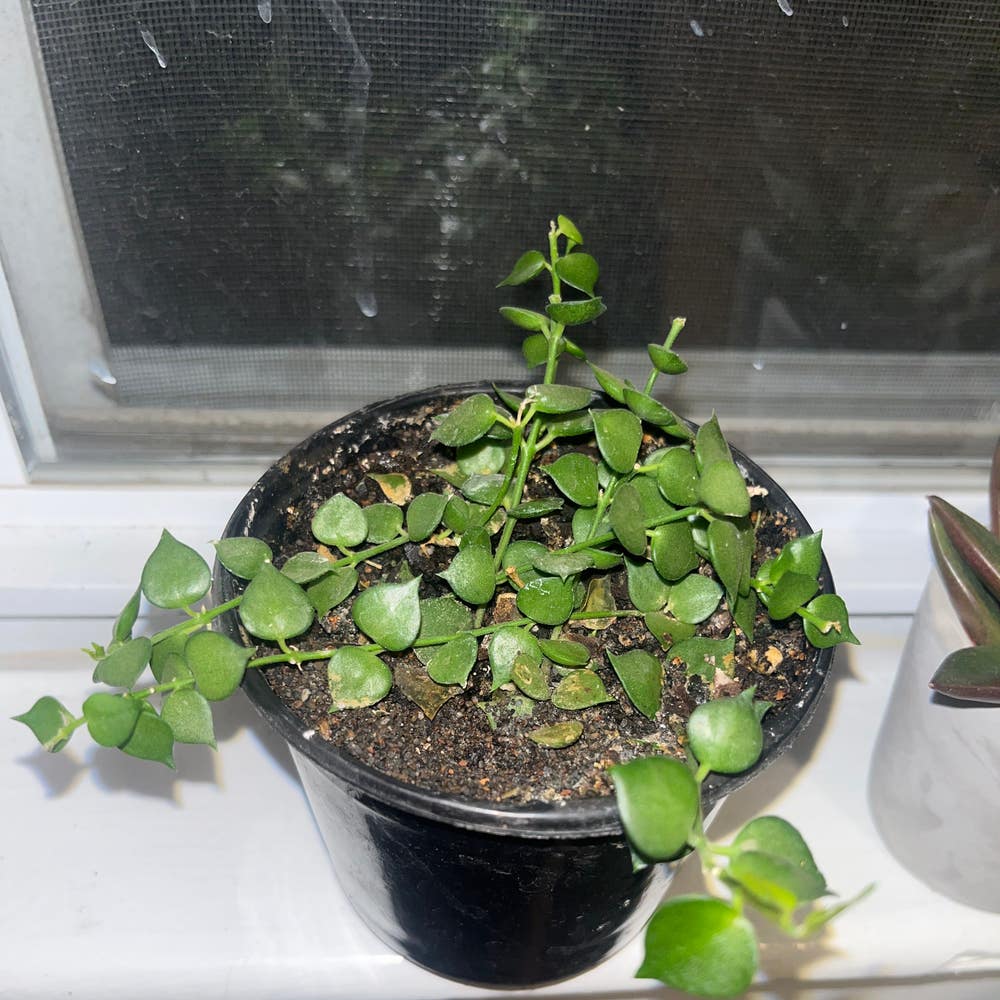
❤️ Ultimate Guide to What's Eating Your Million Hearts
Dischidia ruscifolia
By the Greg Editorial Team
Sep 28, 2024•6 min read
This article was created with the help of AI so we can cover more plants for you. May contain errors. See one? Report it here.
Safeguard your Million Hearts 🌱 from pesky herbivores while nurturing a vibrant garden ecosystem!
- 🦌🌱 Identify herbivores like deer and rabbits to protect your Million Hearts effectively.
- 🚫🛡️ Use fencing and companion plants to deter herbivores and enhance garden health.
- 🌼🐝 Encourage pollinators while managing herbivore damage for a thriving ecosystem.
Common Herbivores Affecting Million Hearts
🦌 Deer
Signs of Presence and Damage Caused
Look for hoof prints in muddy areas; these tracks indicate deer activity. You may also notice browsing patterns, where leaves are stripped from the top down, leaving your plants looking bare.
Beneficial vs. Harmful Interactions
Deer are generally harmful, as they can decimate plant populations. However, they can also play a role in seed dispersal, which can be beneficial in certain contexts.
Deterrent Methods
To deter deer, consider using commercial deer repellents as a chemical solution. Alternatively, you can plant deer-resistant species nearby or use human hair and soap shavings as organic methods.
🐇 Rabbits
Signs of Presence and Damage Caused
Rabbits leave small, round droppings and often nibble on lower leaves. You might find clean cuts on stems and leaves, indicating their presence.
Beneficial vs. Harmful Interactions
Rabbits are generally harmful, leading to significant plant loss. On the upside, their droppings can act as natural fertilizer.
Deterrent Methods
For an easy deterrent, use bitter-tasting sprays as a chemical solution. Organic methods include erecting a fence that is 2-3 feet high and using repellents like cayenne pepper.
🐿️ Squirrels
Signs of Presence and Damage Caused
Squirrels leave evidence of their gnawing with chewed leaves and stems. You may also notice signs of burrowing nearby, indicating nesting behavior.
Beneficial vs. Harmful Interactions
Squirrels are generally harmful, particularly to young plants. Yet, they can also aid in seed dispersal and pest control.
Deterrent Methods
Commercial squirrel repellents serve as a chemical deterrent. For organic methods, consider scare tactics like reflective objects or planting squirrel-resistant plants.
🐦 Birds
Signs of Presence and Damage Caused
Look for pecking marks on flowers and fruits, along with droppings near the plant, which indicate feeding.
Beneficial vs. Harmful Interactions
Birds are generally beneficial, aiding in pollination and pest control. However, overfeeding on fruits can reduce your yield.
Deterrent Methods
Typically, no chemical deterrents are used for birds. Instead, consider organic methods like netting or reflective tape to deter feeding.
🐭 Rodents (Mice, Voles, etc.)
Signs of Presence and Damage Caused
Rodents create small holes in the ground as entry points for burrowing. You may also find chewed roots and stems, signaling their feeding habits.
Beneficial vs. Harmful Interactions
Rodents are generally harmful, causing significant plant damage. However, their burrowing can aerate the soil, which is a potential benefit.
Deterrent Methods
For a hard-to-manage issue, consider using rodent bait stations as a chemical deterrent. Organic methods include traps and planting mint or other deterrent plants.
🦡 Groundhogs/Woodchucks
Signs of Presence and Damage Caused
Look for large burrows near your plants, indicating nesting. You may also notice extensive chewing on stems and leaves, signaling damage.
Beneficial vs. Harmful Interactions
Groundhogs are generally harmful, capable of destroying entire plants. Yet, they can contribute to soil aeration and pest control.
Deterrent Methods
For a hard-to-manage situation, use commercial repellents as a chemical deterrent. Organic methods include fencing that is 3-4 feet high and applying castor oil.
Understanding these common herbivores is crucial for protecting your Million Hearts. With the right deterrent methods, you can create a thriving garden ecosystem. Next, let’s explore the beneficial animals and insects that can enhance your garden’s health.
Beneficial Animals and Insects
Positive Impacts on the Garden Ecosystem 🐝
Pollinators like bees and butterflies play a crucial role in the health of your garden. They help in the fertilization of plants, leading to better yields and vibrant blooms.
Natural pest control is another benefit of having beneficial insects around. Predatory insects, such as ladybugs and lacewings, can keep harmful pests in check, reducing the need for chemical interventions.
How to Attract Beneficial Species 🌼
Planting companion plants is an effective way to attract beneficial species. For instance, marigolds can deter harmful insects while drawing in pollinators.
Creating habitats is equally important. Providing shelter, such as small piles of rocks or logs, and water sources like shallow dishes can encourage beneficial animals to thrive in your garden.
By fostering a welcoming environment for these creatures, you enhance your garden's ecosystem and promote healthier plants.
In the next section, we’ll explore general strategies for protecting your Million Hearts from herbivore damage.
General Strategies for Protecting Million Hearts
🛡️ Preventive Measures for Herbivore Damage
Fencing is one of the most effective ways to protect your Million Hearts from herbivores. Aim for a height of at least 3-4 feet, using sturdy materials like wire mesh or wooden panels to keep those hungry critters at bay.
Companion planting can also be a game-changer. Consider adding plants like marigolds or garlic, which are known to deter herbivores while enhancing the overall health of your garden.
⚠️ Reactive Solutions for Managing Animal Interactions
Regular monitoring is crucial for catching signs of damage early. Check your plants frequently for any nibbling or unusual droppings, so you can act swiftly.
When you notice damage, immediate action is key. Remove affected plants if necessary and consider applying deterrents to prevent further issues.
🍂 Seasonal Variations in Animal Attraction to Million Hearts
Spring brings a surge in herbivore activity, as many animals emerge from hibernation looking for fresh food. Keep an eye out during this time to protect your plants.
In summer, your Million Hearts will bloom, attracting not just pollinators but also birds. While birds can be beneficial, be mindful of their feeding habits.
As fall approaches, many animals prepare for winter, leading to increased foraging. This is the time to reinforce your protective measures, ensuring your plants remain safe through the colder months.
By implementing these strategies, you can create a thriving environment for your Million Hearts while keeping unwanted visitors at bay. Next, let's explore the beneficial animals and insects that can enhance your garden ecosystem.
Toxicity and Safety
Toxic Effects of Million Hearts on Animals 🐾
Million Hearts can pose serious health risks to various animals. Symptoms of toxicity may include vomiting, diarrhea, and lethargy.
Common herbivores affected include deer, rabbits, and squirrels. These animals may experience severe digestive issues if they consume significant amounts of the plant.
Safety Considerations for Gardeners 🧤
When working with Million Hearts, it's crucial to take proper handling precautions. Always wear gloves to avoid skin irritation and wash your hands thoroughly after contact.
In case of accidental exposure, first aid measures include rinsing the affected area with water and seeking medical attention if symptoms persist. Being aware and prepared can ensure a safe gardening experience.
As you cultivate your garden, keep these safety tips in mind to protect both yourself and the wildlife around you.
⚠️ Safety First
This content is for general information and may contain errors, omissions, or outdated details. It is not medical, veterinary advice, or an endorsement of therapeutic claims.
Always consult a qualified healthcare professional before using any plant as food, medicine, or supplement.
Never eat any plant (or feed one to pets) without confirming its identity with at least two trusted sources.
If you suspect poisoning, call Poison Control (800) 222-1222, the Pet Poison Helpline (800) 213-6680, or your local emergency service immediately.
Spotted an error? Please report it here.
Protect your Million Hearts from pesky herbivores and cultivate a thriving garden 🌿 with Greg's tailored care tips and reminders that keep your plants flourishing!