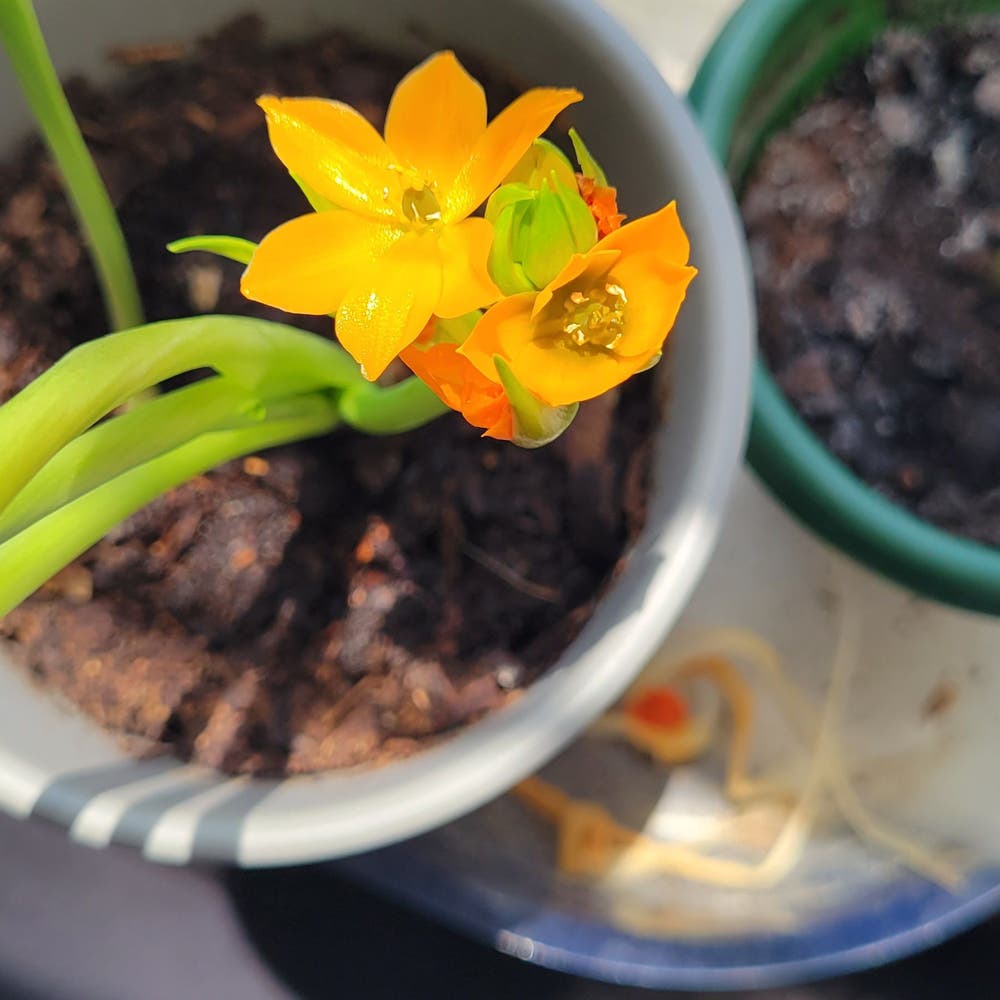
🌟 Why Sun Star Is A Perennial Plant
Ornithogalum dubium
By the Greg Editorial Team
Sep 30, 2024•6 min read
This article was created with the help of AI so we can cover more plants for you. May contain errors. See one? Report it here.
Transform your garden with resilient Sun Star plants that bloom beautifully year after year! 🌼
- 🌼 Sun Stars are perennials, thriving for years with vibrant blooms each season.
- 🌱 Robust root systems enhance drought resistance and improve soil health over time.
- ☀️ Optimal growth requires at least six hours of direct sunlight daily.
Characteristics of Sun Star as a Perennial
🌱 Lifecycle and Growth Patterns
The Sun Star plant boasts a multi-year lifecycle, allowing it to thrive across seasons. Unlike annuals, which complete their life cycle in one year, or biennials that take two, Sun Stars return year after year, making them a reliable choice for gardeners.
Each year, Sun Stars enter distinct stages: sprouting, flowering, and dormancy. This cyclical process ensures that they can adapt to changing conditions, providing consistent beauty in your garden.
🌼 Growth Patterns
One of the most fascinating aspects of the Sun Star is its ability to regrow from established roots each year. This resilience means that even after a dormant period, the plant can burst back to life, showcasing vibrant blooms.
The importance of a robust root system cannot be overstated. These roots not only anchor the plant but also store nutrients and water, enabling the Sun Star to thrive even in less-than-ideal conditions. This characteristic is a hallmark of perennials, setting them apart from their annual counterparts.
With these growth patterns in mind, it's clear that the Sun Star is not just a plant; it's a testament to nature's ability to endure and flourish. As we explore seasonal changes next, we'll see how these factors further influence the Sun Star's remarkable lifecycle.
Seasonal Changes and Dormancy
Dormancy Periods 🌙
Sun Star plants experience distinct dormancy periods, typically occurring in late fall to early spring. During this time, they conserve energy and resources, allowing them to thrive when conditions improve.
The duration of dormancy can vary based on climate, lasting anywhere from a few weeks to several months. Environmental triggers, such as dropping temperatures and reduced daylight, signal the plant to enter this restful state.
Seasonal Changes Affecting Growth 🌱
As seasons shift, Sun Star plants respond dynamically to temperature and light variations. For flowering, they require specific conditions; warmer temperatures and increased sunlight are essential for robust blooms.
These plants have adapted to seasonal changes, developing strategies to cope with fluctuations. For instance, they may alter their growth patterns to maximize sunlight exposure, ensuring they flourish throughout the growing season.
Understanding these seasonal dynamics is crucial for successful cultivation. By recognizing when your Sun Star is dormant and when it’s ready to grow, you can provide the best care possible.
With this knowledge, you can better appreciate the resilience of Sun Star plants and prepare for the next section on their advantages for gardeners.
Advantages of Perennial Nature
🌱 Benefits for Gardeners
One of the standout advantages of growing Sun Star as a perennial is the reduced need for replanting. This not only saves you money but also cuts down on the labor involved in maintaining your garden.
Perennials like Sun Star contribute to sustainability. They require fewer resources over time, making them a smart choice for eco-conscious gardeners.
🌳 Established Root Systems
Sun Star's established root systems offer enhanced drought resistance. Once the roots are set, they can access moisture deeper in the soil, helping the plant thrive even during dry spells.
Additionally, these robust roots improve soil health and structure. They prevent erosion and promote nutrient cycling, creating a healthier environment for all your garden plants.
Incorporating Sun Star into your garden design not only simplifies maintenance but also enriches the ecosystem. As you plan your garden, consider how these perennials can contribute to a thriving, sustainable landscape.
Next, let’s explore the lifespan and longevity factors that influence the health of your Sun Star plants.
Lifespan and Longevity Factors
🌼 Typical Lifespan of Sun Star
The Sun Star plant typically enjoys a productive lifespan of around 3 to 5 years. During this time, it can consistently produce vibrant blooms, making it a favorite among gardeners.
⏳ Factors Affecting Longevity
Several key factors influence how long your Sun Star thrives.
Soil Quality
Healthy, nutrient-rich soil is crucial. Poor soil can stunt growth and reduce flowering.
Climate Conditions
Sun Stars adapt well to various climates, but extreme temperatures can impact their longevity. Consistent care tailored to local conditions helps maintain their vitality.
Care Practices
Regular maintenance, including proper watering and fertilization, plays a significant role. Neglecting these practices can lead to a decline in health and productivity.
Understanding these factors can help you maximize the lifespan of your Sun Star, ensuring it remains a stunning addition to your garden for years to come.
Next, let’s explore how Sun Stars behave across different climate zones and how to adapt your gardening strategies accordingly.
Variations Across Climate Zones
🌍 Behavior in Different Climates
Sun Star is remarkably adaptable, thriving in various climate zones. Understanding hardiness zones is crucial; these zones indicate the minimum temperatures a plant can withstand, helping gardeners choose the right plants for their regions.
For instance, in USDA Hardiness Zones 5-9, Sun Star flourishes, showcasing vibrant blooms and robust growth. In contrast, it may struggle in extreme climates, highlighting the importance of selecting the right variety for your specific environment.
🌱 Impact of Growing Conditions
Growing conditions significantly influence Sun Star's performance. Soil type, moisture levels, and sunlight exposure all play vital roles in determining growth patterns and flowering success.
Soil Type: Well-draining soil is essential for root health. Heavy clay can hinder growth, while sandy soils may require more frequent watering.
Moisture: Consistent moisture supports healthy growth, but overwatering can lead to root rot.
Sunlight: Sun Star thrives in full sun, requiring at least six hours of direct sunlight daily for optimal flowering.
By understanding these factors, gardeners can create the ideal environment for Sun Star, ensuring a flourishing display year after year.
As we explore the advantages of this perennial plant, consider how its adaptability can enhance your garden's beauty and resilience.
Maximizing Benefits in Garden Planning
🌱 Tips for Incorporating in Garden Design
To make the most of your Sun Star plants, strategic placement is key. Consider companion planting; pairing them with compatible species can enhance growth and deter pests.
Sunlight and spacing are crucial for optimal growth. Ensure your Sun Stars receive at least six hours of sunlight daily and space them adequately to allow for air circulation and root expansion.
🌿 Long-Term Cultivation Strategies
Maintaining healthy Sun Stars involves thoughtful care practices. Regular soil amendments, such as compost, can boost nutrient levels and improve soil structure.
Establish a consistent watering schedule, especially during dry spells. Seasonal care tips, like mulching in winter, can protect roots and support overall plant health, ensuring your Sun Stars thrive year after year.
By implementing these strategies, you’ll not only enjoy the beauty of Sun Stars but also contribute to a sustainable garden ecosystem.
⚠️ Safety First
This content is for general information and may contain errors, omissions, or outdated details. It is not medical, veterinary advice, or an endorsement of therapeutic claims.
Always consult a qualified healthcare professional before using any plant as food, medicine, or supplement.
Never eat any plant (or feed one to pets) without confirming its identity with at least two trusted sources.
If you suspect poisoning, call Poison Control (800) 222-1222, the Pet Poison Helpline (800) 213-6680, or your local emergency service immediately.
Spotted an error? Please report it here.
Cultivate the resilience of Sun Star plants 🌱 with Greg's personalized care tips and watering reminders, ensuring your garden blooms beautifully year after year!