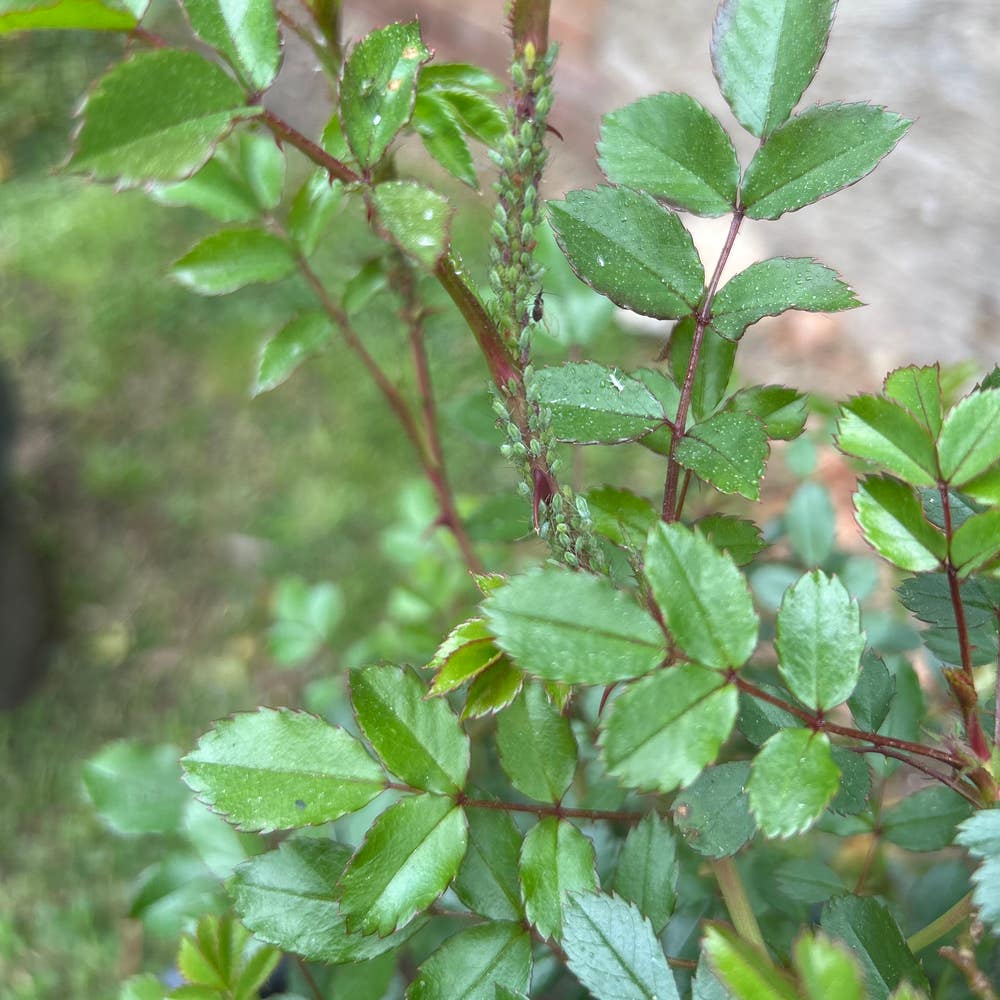
Best Temperature Conditions for Salmon Rose 🌡️
Rosa spp.
By the Greg Editorial Team
Nov 23, 2024•5 min read
This article was created with the help of AI so we can cover more plants for you. May contain errors. See one? Report it here.
- 🌡️ Heat stress causes leaf curling and wilting; monitor for these signs.
- ❄️ Cold stress leads to leaf drop and stunted growth; protect from frost.
- 🌱 Ideal temperature range for Salmon Rose is 15°C to 25°C (59°F to 77°F).
Temperature Stress Indicators
🌡️ Signs of Heat Stress
Heat stress can be detrimental to your Salmon Rose. Look out for leaf curling and wilting, where leaves may appear crispy or dry, signaling that the plant is struggling.
Discoloration is another key indicator. If you notice leaves turning yellow or brown, especially at the edges, it’s a sign that your plant is feeling the heat. Additionally, you might see reduced flowering, with fewer blooms or premature flower drop, which can be disheartening.
❄️ Signs of Cold Stress
Cold stress presents its own set of challenges. One of the most noticeable signs is leaf drop, where the plant sheds leaves prematurely, particularly the lower ones.
You may also observe stunted growth, characterized by slower growth rates or halted development. In severe cases, frost damage can occur, leading to blackened or mushy tissue on leaves and stems, which is a clear cry for help from your plant.
🔍 Identifying Temperature-Related Issues
To effectively manage temperature stress, start by monitoring growth patterns. Sudden changes in growth rate or flowering can indicate underlying temperature issues.
Regularly observing leaf health is crucial. Inspect your plants for signs of stress, and don’t hesitate to utilize temperature monitoring tools like thermometers or smart gardening apps for accurate readings. Staying proactive can make all the difference in maintaining a healthy Salmon Rose.
As you become more attuned to these indicators, you'll be better equipped to tackle the challenges posed by temperature fluctuations. Next, let’s explore the causes of temperature stress and how to mitigate its effects.
Causes of Temperature Stress
🌡️ Environmental Factors
Temperature stress in Salmon Rose can often be traced back to environmental factors. Extreme weather events, such as heatwaves or unexpected cold snaps, can shock the plant and disrupt its growth.
Urban heat islands also play a significant role. In city environments, increased temperatures can negatively affect plant health, making it crucial to monitor conditions closely.
⚡ Impact of Sudden Temperature Changes
Sudden temperature changes can trigger a shock response in Salmon Rose. This rapid shift can cause significant stress, leading to stunted growth or even plant death.
To mitigate this, gradual acclimatization is essential. Slowly introducing the plant to new temperature ranges helps it adjust without experiencing shock.
🌱 Role of Soil Temperature
Soil temperature is another critical factor in temperature stress. The ideal soil temperature for Salmon Rose ranges between 15°C to 25°C (59°F to 77°F).
Maintaining this temperature range is vital for healthy root development and nutrient uptake. When soil temperatures fall outside this range, the plant may struggle to thrive.
Understanding these causes of temperature stress can help you take proactive measures to protect your Salmon Rose. By monitoring environmental conditions and soil temperature, you can ensure your plants remain healthy and vibrant.
Next, we’ll explore seasonal temperature considerations to further enhance your gardening strategy.
Seasonal Temperature Considerations
Temperature Needs During Growth Stages 🌡️
Understanding the temperature needs of Salmon Rose during its growth stages is crucial for successful cultivation.
- Germination: This stage thrives in warmer temperatures, ideally between 20°C to 25°C (68°F to 77°F).
- Vegetative Growth: Moderate temperatures of 15°C to 20°C (59°F to 68°F) are perfect for robust growth.
- Flowering: For blooming, Salmon Rose prefers temperatures ranging from 15°C to 25°C (59°F to 77°F).
Seasonal Fluctuations and Effects 🌦️
Each season brings unique temperature challenges and opportunities for Salmon Rose.
- Spring: As temperatures gradually warm, it's the ideal time for planting and encouraging growth.
- Summer: Keep a close eye on heat stress; providing shade may be necessary to protect your plants.
- Fall: Prepare for cooler temperatures by helping your plants acclimatize gradually.
- Winter: Protect your plants from frost, as they may enter a dormant phase during this time.
Preparing for Seasonal Changes 🛠️
Preparation is key to ensuring your Salmon Rose thrives throughout the seasons.
- Mulching: Insulate the soil to maintain a consistent temperature, which benefits root health.
- Using Protective Covers: Employ frost cloths or shade cloths as needed to shield your plants from extreme conditions.
- Timing of Planting: Align your planting schedule with seasonal temperature patterns for optimal growth.
By understanding and adapting to seasonal temperature considerations, you can help your Salmon Rose flourish year-round. Next, we’ll explore the geographic and climate considerations that further influence its growth.
Geographic and Climate Considerations
Best Climates for Growth 🌞
Salmon Rose thrives best in temperate climates, where conditions are just right for optimal growth and flowering. These regions typically offer a balanced mix of warm summers and cool winters, creating an ideal environment for this beautiful plant.
Regional Temperature Variations 🌡️
Understanding local climate zones is crucial for successful Salmon Rose cultivation. The USDA hardiness zones provide valuable insights into the temperature ranges that plants can tolerate, allowing you to adjust care practices accordingly.
Adaptation to Different Environments 🌍
One of the remarkable traits of Salmon Rose is its ability to adapt to varying temperatures. This resilience means it can flourish in slightly different climates, making it a versatile choice for gardeners across diverse regions.
As you consider the best practices for growing Salmon Rose, remember that adapting to your local climate can significantly enhance your gardening success. Next, we'll explore how seasonal temperature considerations play a vital role in nurturing this stunning plant.
⚠️ Safety First
This content is for general information and may contain errors, omissions, or outdated details. It is not medical, veterinary advice, or an endorsement of therapeutic claims.
Always consult a qualified healthcare professional before using any plant as food, medicine, or supplement.
Never eat any plant (or feed one to pets) without confirming its identity with at least two trusted sources.
If you suspect poisoning, call Poison Control (800) 222-1222, the Pet Poison Helpline (800) 213-6680, or your local emergency service immediately.
Spotted an error? Please report it here.
Keep your Salmon Rose flourishing by monitoring temperature conditions and adapting care strategies, and let Greg provide you with tailored reminders 🌱 to create the ideal environment for success!