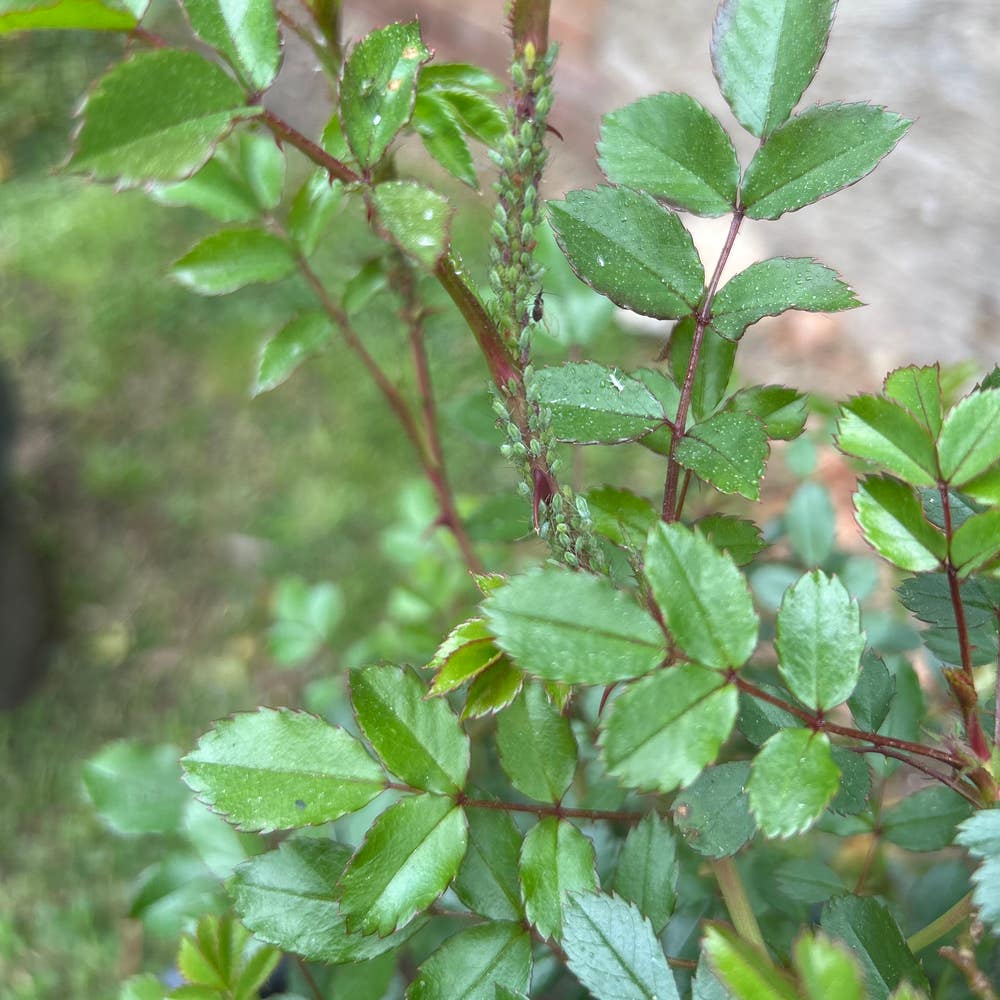
🌹 Understanding Rose Seedling: The Basics
Rosa spp.
By the Greg Editorial Team
Jan 28, 2025•14 min read
This article was created with the help of AI so we can cover more plants for you. May contain errors. See one? Report it here.
- 🌞 Optimal sunlight for rose seedlings is 6-8 hours daily for healthy growth.
- 🌱 Well-draining soil with pH 6.0-6.8 is essential for robust root development.
- ✂️ Prune in late winter to shape plants and encourage beautiful blooms.
How to Grow
Choosing a Location 🌍
Selecting the right location is crucial for your rose seedlings. They thrive in full sun, requiring 6-8 hours of sunlight daily for optimal growth.
Additionally, consider wind protection and proper drainage. A sheltered spot can help prevent damage from strong winds while ensuring excess water drains away.
Soil Preparation 🌱
The ideal soil for roses is well-draining, fertile loam enriched with organic matter. This type of soil promotes healthy root development and nutrient absorption.
Aim for a soil pH between 6.0 and 6.8 to ensure the best nutrient availability. Testing your soil can help you determine if amendments are necessary.
Planting Techniques 🌼
When planting, ensure the graft union is above soil level. This prevents rot and encourages healthy growth.
Space your seedlings 18-24 inches apart to allow for adequate air circulation. Proper spacing helps reduce the risk of diseases.
Watering Requirements 💧
Deep watering once a week is generally sufficient, but adjust based on weather conditions. Roses prefer a thorough soak rather than frequent light watering.
Watch for signs of overwatering, such as yellowing leaves, or underwatering, indicated by wilting. Adjust your watering routine accordingly.
Fertilizing Tips 🌿
Fertilize your roses in early spring and mid-summer using a balanced fertilizer. This schedule supports robust growth and flowering.
You can choose between organic and synthetic fertilizers based on your gardening philosophy. Both can be effective if used correctly.
Pruning Methods ✂️
Timing is key for pruning; aim for late winter or early spring before new growth begins. This helps shape the plant and encourages healthy blooms.
Use techniques like deadheading, shaping, and removing dead or diseased wood to maintain plant health. Regular pruning promotes vigorous growth and flowering.
Ongoing Care 🪴
If you're growing roses in containers, consider the size, drainage holes, and potting mix. A larger pot with good drainage supports healthy root systems.
Regularly monitor your plants for pests and diseases. Early detection can prevent larger issues down the line and keep your roses thriving.
As you embark on your rose-growing journey, remember that each step contributes to the overall health and beauty of your plants. Next, let’s explore propagation methods to expand your rose collection!
Propagation
🌱 Seed Propagation
Starting roses from seeds can be a rewarding experience. Begin with cold stratification, which involves placing seeds in a moist medium and refrigerating them for 4-6 weeks before planting.
Once you're ready to sow, expect germination to take about 2-3 weeks under optimal conditions. This patience pays off as you nurture your future rose plants.
✂️ Cutting Propagation
Cutting propagation is another effective method. Select healthy stems that are 6-8 inches long, ensuring each has at least one leaf node for successful rooting.
For the rooting medium, a mix of perlite and peat moss works wonders. This combination provides excellent drainage and aeration, crucial for healthy root development.
🌿 Layering Techniques
Layering is a fascinating technique that allows you to propagate roses without cutting them. Simply bend a stem to the ground and cover it with soil, leaving the tip exposed.
This method can take 6-12 months for rooting, but the wait is worth it when you see new growth emerging. Layering not only propagates your roses but also encourages a fuller plant.
With these propagation methods, you can expand your rose garden and enjoy the beauty of these flowers for years to come. Next, let’s explore the lifecycle of rose seedlings and what to expect as they grow.
Lifecycle
Lifecycle Stages 🌱
The lifecycle of a rose begins with germination, where seeds or cuttings sprout into seedlings. This initial stage is crucial, as it sets the foundation for the plant's growth.
Next, the seedling transitions into the vegetative growth phase, where it develops leaves and stems. This stage is vital for photosynthesis, enabling the plant to gather energy.
As the rose matures, it enters the flowering stage, showcasing its beautiful blooms. This is not just for aesthetics; flowers are essential for reproduction.
Finally, the lifecycle culminates in seed production, where the plant creates seeds to ensure the continuation of its species.
Overall Lifespan 🌹
Roses can live anywhere from 5 to 15 years, depending on the variety and care provided. Proper maintenance, including watering, fertilizing, and pruning, can significantly extend their lifespan.
Understanding these lifecycle stages helps gardeners provide the right conditions for healthy growth. With the right care, your roses can thrive and bring beauty to your garden for years to come.
As we explore the next section, we'll dive into the size of mature roses and what to expect as they grow.
Size
Mature Height and Spread 🌹
Roses can reach an average mature height of 3 to 6 feet, depending on the variety you choose. Their spread typically ranges from 2 to 4 feet wide, making them a versatile addition to any garden.
Growth Rate and Size Variability 📈
Several factors influence the growth rate of rose seedlings. Soil quality, water availability, and sunlight exposure play crucial roles in determining how quickly your roses will thrive.
Understanding these elements can help you create the ideal environment for your roses, ensuring they reach their full potential. By providing the right conditions, you can enjoy a vibrant display of blooms for years to come.
As you consider the size and growth of your roses, keep in mind that proper care will lead to healthier plants. This sets the stage for the next section, where we will explore the root system characteristics of rose seedlings.
Roots
Root System Characteristics 🌱
Roses boast a fibrous root system that spreads widely, allowing them to absorb nutrients and water efficiently. Typically, these roots extend to a depth of 12-18 inches, providing stability and support for the plant.
Common Root-Related Issues ⚠️
One of the most common problems rose gardeners face is root rot. Symptoms include yellowing leaves, wilting, and a foul smell from the soil. To prevent this, ensure proper drainage and avoid overwatering.
Identifying rootbound conditions is also crucial for healthy growth. Signs include stunted growth and roots emerging from the drainage holes. If you notice these symptoms, consider repotting your rose in a larger container to give the roots room to expand.
Understanding these root characteristics and issues can significantly enhance your rose gardening experience. With the right care, your roses will thrive and reward you with stunning blooms.
Next, let’s explore the benefits of growing roses and how they can enhance your garden.
Benefits
Roses are more than just pretty flowers; they offer a multitude of benefits that can enhance your garden and well-being.
🌹 Top 5 Benefits
Aesthetic Appeal: The vibrant blooms of roses can transform any garden into a stunning visual masterpiece. Their variety in color and form adds depth and beauty to outdoor spaces.
Fragrance: Many rose varieties emit delightful scents that can fill your garden with a sweet aroma. This natural fragrance can create a serene and inviting atmosphere.
Attracts Pollinators: Roses are a magnet for bees and butterflies, which are essential for pollination. By planting roses, you contribute to the health of your local ecosystem.
Cultural Significance: Throughout history, roses have symbolized love and beauty in various cultures. They are often used in celebrations, making them a meaningful addition to any garden.
Therapeutic Benefits: Gardening with roses can be a stress-reliever. The act of nurturing plants and enjoying their beauty can improve your mood and promote mental well-being.
Incorporating roses into your garden not only beautifies your space but also enriches your life in numerous ways. As you consider your gardening choices, think about the joy and benefits that roses can bring.
Next, let’s explore the fascinating world of companion plants that can enhance your rose garden even further.
Companion Plants
Best Companion Plants 🌹
Companion planting can significantly enhance the health and beauty of your rose garden. Consider adding lavender, which acts as a natural pest repellent, keeping harmful insects at bay.
Marigolds are another excellent choice; they deter pests and can even improve the overall health of your roses. Additionally, catmint attracts beneficial insects, creating a balanced ecosystem that supports your roses.
Plants to Avoid 🚫
While some plants thrive alongside roses, others can hinder their growth. Avoid planting members of the cabbage family, as they tend to attract pests that could harm your roses.
Also, steer clear of heavy feeders that compete for nutrients. These plants can sap the soil's vitality, leaving your roses struggling to flourish.
Incorporating the right companions can make a world of difference in your rose garden's success. Next, let’s explore the potential toxicity of roses to humans and pets, ensuring a safe gardening experience.
Toxicity to Humans
Safety Overview 🌹
Roses are generally safe for humans and are not classified as toxic by major poison control centers or health organizations. This means you can enjoy their beauty without worrying too much about harmful effects.
Minor Issues ⚠️
However, it's worth noting that some individuals may experience mild skin irritation or digestive discomfort if they consume large quantities of rose petals or hips. Always exercise caution with any plant, and if you notice unusual symptoms after contact or ingestion, seek medical advice promptly.
Practical Advice 🧤
When handling roses, consider wearing gloves to avoid any potential skin irritation. If you're planning to use rose petals in culinary dishes, ensure they are free from pesticides and chemicals for safe consumption.
Conclusion 🌼
Overall, roses can be a delightful addition to your garden and kitchen, offering beauty and flavor without significant health risks. Just remember to enjoy them responsibly!
Edible
Edible Parts 🌹
Roses are not just beautiful; their flowers and hips are edible and can elevate your culinary creations. Rose petals can be used in salads, desserts, or as a garnish, while rose hips, the fruit of the rose plant, are often made into jams, jellies, and teas.
Harvesting Techniques ⏰
Timing is crucial when harvesting roses. For flowers, pick them in the morning after the dew has dried but before the heat of the day sets in. When it comes to rose hips, wait until they are fully ripe, typically in late summer to early fall, and use sharp scissors to avoid damaging the plant.
Nutritional Value 🥗
Rose hips are packed with nutrients, making them a fantastic addition to your diet. They are rich in vitamins C and A, antioxidants, and essential fatty acids, which can support your immune system and overall health.
Toxicity to Dogs
Safety Overview 🌹
Roses are generally safe for dogs, as they are not listed as toxic by major pet poison control centers and veterinary organizations. However, if your furry friend munches on a few too many petals or leaves, they might experience mild gastrointestinal upset.
Monitoring Your Dog 👀
When introducing roses to your home, consider their placement carefully. Keep an eye on your dog's behavior around the plants to ensure they don't overindulge.
Signs of Distress 🚨
If you notice any signs of discomfort, such as vomiting or diarrhea, it’s best to consult your veterinarian. While roses are not harmful, it's always wise to be cautious with any new plants in your pet's environment.
Creating a Safe Space 🏡
To minimize any potential issues, create a designated area for your roses that your dog can't easily access. This way, you can enjoy the beauty of your roses while keeping your pup safe.
Conclusion 🎉
In summary, roses can be a delightful addition to your garden without posing significant risks to your dogs. Just remember to monitor their interactions and enjoy the vibrant blooms worry-free!
Next, let’s explore the potential toxicity of roses to cats.
Toxicity to Cats
Safety Overview 🌹
Roses are generally safe for cats, as they are not listed as toxic by major pet poison control centers and veterinary organizations. However, if your feline friend munches on a few leaves or petals, you might notice some mild gastrointestinal upset.
Potential Minor Issues 🚽
While roses won't harm your cat, consuming large quantities can lead to minor digestive discomfort. It's always wise to keep an eye on your pet's behavior after they've been around new plants.
Tips for Introducing to Homes with Cats 🏡
When bringing roses into your home, consider their placement carefully. Position them out of reach to prevent any curious nibbling, and monitor your cat's behavior to ensure they don't show any signs of distress.
By taking these precautions, you can enjoy the beauty of roses without worrying about your furry companion's safety.
Problems
Common Problems 🌹
Growing roses can be a rewarding experience, but it comes with its share of challenges. Understanding these common problems will help you maintain healthy plants and enjoy their beauty.
Incorrect Watering 🚰
Watering is crucial for rose health. Overwatering can lead to root rot, where the roots become mushy and dark, while underwatering results in wilting and dry leaves.
Incorrect Light Conditions ☀️
Roses thrive in full sun, but insufficient light can stunt their growth. Symptoms include leggy stems reaching for light and fewer blooms, signaling that your roses need a sunnier spot.
Diseases 🦠
Roses are susceptible to various diseases. Powdery mildew appears as a white, powdery coating on leaves, while black rot causes dark spots and yellowing leaves. Both require prompt treatment to prevent spread.
Growth Problems 🌱
Leggy growth is a common issue, often caused by inadequate light or improper pruning. To encourage bushier growth, ensure your roses receive enough sunlight and prune them correctly during the dormant season.
By recognizing these problems early, you can take action to keep your roses thriving. Next, let’s explore the potential pest issues that can affect your rose garden.
Bugs
Potential Pest Issues 🐛
When it comes to growing roses, pests can be a gardener's worst nightmare. Understanding pest resistance and susceptibility is crucial for maintaining healthy plants.
Common Pests to Watch For 🐜
Spider Mites: These tiny pests thrive in dry conditions and can cause significant damage by sucking the sap from leaves. Look for fine webbing and stippled leaves as signs of their presence.
Aphids: Often found in clusters on new growth, aphids are small, soft-bodied insects that can distort leaves and stunt growth. They also secrete a sticky substance called honeydew, which can lead to sooty mold.
Whiteflies: These small, white flying insects can be found on the undersides of leaves. They feed on plant sap and can cause yellowing and wilting of leaves.
Managing Pest Problems 🛠️
To keep these pests at bay, regularly inspect your roses for any signs of infestation. Early detection is key to preventing a small problem from becoming a larger one.
Natural Control Methods 🌱
Consider introducing beneficial insects, like ladybugs, which feed on aphids. Additionally, maintaining healthy plants through proper care can enhance their natural resistance to pests.
Conclusion 📝
By staying vigilant and employing natural pest management strategies, you can protect your roses and enjoy their beauty without the worry of pest damage. Next, let’s explore what animals might be munching on your beloved blooms.
What Eats
Common Animals 🦌
When it comes to your rose garden, several animals might find your blooms irresistible. Deer, rabbits, squirrels, and rodents are the usual suspects that can wreak havoc on your precious plants.
Identifying Animal Presence 🕵️♂️
Recognizing signs of these critters can help you take action before they cause significant damage. Look for tracks, droppings, and distinct damage patterns on your roses.
- Deer: They tend to leave large hoof prints and often nibble on the tops of your roses.
- Rabbits: Small, round droppings and chewed stems are telltale signs of their presence.
- Squirrels and Rodents: Look for gnaw marks on stems and fallen petals, indicating they’ve been snacking.
By staying vigilant and observing these signs, you can better protect your roses from unwanted visitors. If you notice any of these signs, consider implementing protective measures to keep your garden thriving.
Next Steps 🚀
Understanding what eats your roses is just the beginning. Next, let’s explore how to manage potential pest issues that could threaten your garden’s health.
⚠️ Safety First
This content is for general information and may contain errors, omissions, or outdated details. It is not medical, veterinary advice, or an endorsement of therapeutic claims.
Always consult a qualified healthcare professional before using any plant as food, medicine, or supplement.
Never eat any plant (or feed one to pets) without confirming its identity with at least two trusted sources.
If you suspect poisoning, call Poison Control (800) 222-1222, the Pet Poison Helpline (800) 213-6680, or your local emergency service immediately.
Spotted an error? Please report it here.
Unlock the secrets to thriving roses 🌹 with Greg's tailored watering alerts and expert care tips, ensuring your seedlings flourish beautifully in your garden!