When and Where to Prune Your Climbing Rose 🌹
Rosa spp.
By the Greg Editorial Team
Nov 25, 2024•5 min read
This article was created with the help of AI so we can cover more plants for you. May contain errors. See one? Report it here.
- 🌷 Prune climbing roses in late winter to early spring for optimal growth.
- ✂️ Identify old wood vs. new growth for effective pruning techniques.
- 🌿 Use clean, sharp tools to prevent disease and promote healthy cuts.
Timing for Pruning
Best Time of Year 🌸
The ideal time to prune your climbing roses is late winter to early spring, just before new growth begins. This timing allows you to shape the plant and encourage healthy blooms while minimizing stress on the rose.
Local climate and specific rose varieties can influence the exact timing. For instance, in warmer regions, you may start pruning as early as February, while colder climates might require waiting until March or April.
Seasonal Considerations (Spring vs. Fall) 🍂
Pruning in spring is all about shaping your climbing roses and removing any dead or damaged wood. This proactive approach helps promote vigorous growth and a stunning display of flowers.
In contrast, fall pruning should be minimal to prevent winter damage. Focus on deadheading—removing spent blooms—to encourage further flowering and maintain the plant's health through the colder months. Seasonal changes significantly impact your climbing rose's health and flowering potential, so timing your pruning correctly is crucial.
Understanding these seasonal nuances will help you nurture your climbing roses effectively, ensuring they thrive year after year. Now, let's explore where to prune for optimal results.
Where to Prune
🌿 Identifying the Right Stems
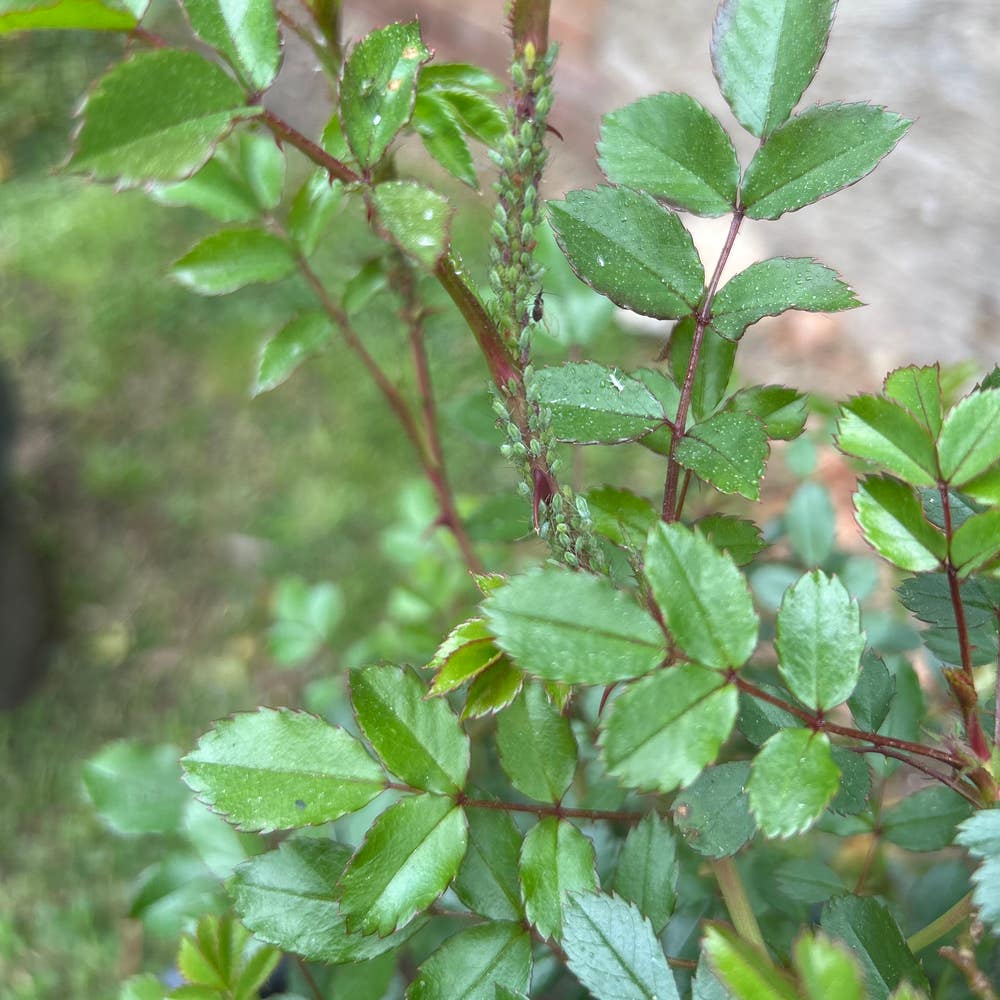
When pruning climbing roses, it's crucial to differentiate between old wood and new growth. Old wood typically has a thicker, grayer appearance, while new growth is green and more flexible.
Recognizing healthy stems is equally important. Look for vibrant, firm stems that are free from discoloration or damage. Pruning back to a healthy bud or node ensures that your rose can thrive and produce beautiful blooms.
✂️ How to Prune for Shape and Structure
Training your climbing roses against trellises or walls requires specific techniques. Start by selecting the strongest canes and gently guiding them along your support structure.
Maintaining an open center is essential for better air circulation. This helps prevent diseases and encourages healthy growth. Balance the plant's growth by selectively removing canes that are overcrowding or crossing each other, allowing for a more structured and aesthetically pleasing shape.
With these pruning strategies, your climbing roses will flourish, setting the stage for vibrant blooms and healthy growth. Next, we’ll explore the importance of deadheading and how to do it effectively.
Deadheading
Importance and Instructions 🌹
Deadheading is the process of removing spent blooms from your climbing roses. This simple yet essential task plays a crucial role in maintaining the health and beauty of your plants.
By deadheading, you encourage more blooms and help prevent diseases. It’s a win-win for your garden!
Steps for Effective Deadheading
Identify spent blooms: Look for wilted or faded flowers that no longer contribute to the plant's beauty.
Use clean, sharp pruning shears: Ensure your tools are ready for a precise cut.
Cut back to the first set of healthy leaves or a bud: This promotes new growth and keeps your roses looking tidy.
Dispose of removed flowers: Proper disposal prevents pests from being attracted to your garden.
Deadheading not only enhances the aesthetic appeal of your climbing roses but also fosters a healthier plant overall. By incorporating this practice into your routine, you’ll enjoy a more vibrant and flourishing garden.
As you care for your climbing roses, remember that every little effort counts. Now, let's explore some common pruning mistakes to avoid, ensuring your roses thrive beautifully.
Common Pruning Mistakes
Mistakes to Avoid 🌿
Pruning climbing roses can be tricky, and several common mistakes can hinder their growth. One major error is cutting too much old wood, which can remove potential flower buds and diminish blooms for the season.
Another frequent oversight is failing to clean your tools. This can lead to disease transmission, putting your roses at risk. Lastly, neglecting to assess the plant's growth habits before pruning can result in uneven cuts that disrupt the plant's natural shape.
How to Correct Errors 🔧
If you suspect you've over-pruned or made incorrect cuts, look for signs like stunted growth or sparse foliage. These indicators suggest your climbing rose may need some TLC to bounce back.
To encourage recovery, consider techniques such as reducing stress on the plant by providing extra water and nutrients. Remember, patience is key; observe your rose's response and adjust your care accordingly.
By learning from these mistakes and correcting them, you can ensure your climbing roses thrive and bloom beautifully. Now, let’s explore the tools and techniques that will help you prune effectively.
Tools and Techniques
🔧 Recommended Tools
When it comes to pruning climbing roses, having the right tools is essential. The two main types of pruning shears are bypass and anvil; bypass shears are preferred for clean cuts, while anvil shears can crush stems.
Using clean, sharp tools prevents damage to your plants and promotes healthy growth. Don’t forget to have loppers for thicker branches, gloves to protect your hands, and disinfectants to keep your tools free from disease.
✂️ Proper Techniques for Making Cuts
The angle of your cuts matters significantly. Aim for a 45-degree angle to encourage optimal healing and reduce the risk of disease.
Be mindful to avoid tearing or crushing the stems during pruning. When handling thorny canes, use gloves and take your time to ensure safety and precision.
🧼 Maintenance of Tools
Keeping your tools in top shape is crucial for effective pruning. Clean and sterilize your tools before and after use to prevent the spread of diseases.
Regularly sharpen your tools to ensure clean cuts, which will help your climbing roses thrive. Lastly, store your tools in a dry place to prolong their life and effectiveness.
With the right tools and techniques, you'll set your climbing roses up for success. Next, let’s explore the common pruning mistakes to avoid for a flourishing garden.
⚠️ Safety First
This content is for general information and may contain errors, omissions, or outdated details. It is not medical, veterinary advice, or an endorsement of therapeutic claims.
Always consult a qualified healthcare professional before using any plant as food, medicine, or supplement.
Never eat any plant (or feed one to pets) without confirming its identity with at least two trusted sources.
If you suspect poisoning, call Poison Control (800) 222-1222, the Pet Poison Helpline (800) 213-6680, or your local emergency service immediately.
Spotted an error? Please report it here.
Prune your climbing roses like a pro 🌹 with Greg's tailored reminders and expert tips, ensuring vibrant blooms and healthy growth all season long!