5 Secrets to Thriving Outdoor Climbing Rose 🌹
Rosa spp.
By the Greg Editorial Team
Nov 25, 2024•7 min read
This article was created with the help of AI so we can cover more plants for you. May contain errors. See one? Report it here.
- 🌞 Climbing roses need 6+ hours of sunlight daily for optimal growth and blooms.
- 💧 Deep weekly watering is crucial, especially in hot, dry conditions for strong roots.
- 🌿 Mulching retains moisture and protects roses from harsh weather, promoting healthy growth.
Sunlight Needs
Optimal Sunlight Exposure 🌞
For outdoor climbing roses, full sun is non-negotiable. They thrive on at least six hours of direct sunlight daily, which is essential for robust growth and a spectacular display of blooms.
Importance of Sunlight ☀️
Sunlight isn't just a nice-to-have; it fuels the plant's energy production. With adequate exposure, your climbing roses will flourish, producing vibrant flowers that can transform any garden space.
Effects of Insufficient Sunlight 🌑
When climbing roses don't get enough sunlight, they exhibit clear signs of distress. You might notice weak growth, fewer flowers, and a higher susceptibility to diseases creeping in.
Solutions for Low Light Conditions 💡
If your roses are struggling in shaded areas, take action! Identify spots that block sunlight and consider relocating the plants or pruning surrounding vegetation to boost their light exposure. This simple adjustment can make a world of difference in their health and vitality.
By ensuring your climbing roses receive the right amount of sunlight, you're setting the stage for a thriving garden. Next, let's dive into their watering requirements to keep them hydrated and happy.
Watering Requirements
General Guidelines 🌧️
Watering your climbing roses is crucial for their health and vitality. Aim to water deeply once a week, increasing frequency during hot, dry spells.
Method for Deep Root Growth 🌱
Soak the soil to a depth of 12-18 inches. This encourages the roots to grow deep, making your plants more resilient.
Techniques for Efficient Watering 💧
Drip Irrigation 🚰
Consider using drip irrigation for consistent moisture. This method delivers water directly to the roots without wetting the foliage, reducing the risk of disease.
Mulching 🍂
Mulching is another effective technique. It helps retain soil moisture and minimizes evaporation, ensuring your roses stay hydrated.
Signs of Overwatering and Underwatering ⚠️
Overwatering Symptoms 🌊
Be cautious of overwatering, which can lead to yellowing leaves and root rot. If you notice these signs, it’s time to adjust your watering schedule.
Underwatering Symptoms 🌵
On the flip side, underwatering can cause wilting, dry leaves, and stunted growth. Regularly check your plants to ensure they’re getting the right amount of water.
Understanding these watering requirements will set your climbing roses up for success. Next, let’s explore the ideal soil preferences and fertilization techniques to keep them thriving.
Soil Preferences and Fertilization
Ideal Soil Composition 🌱
For your outdoor climbing rose to thrive, it needs well-drained, fertile loam enriched with organic matter. Aim for a soil pH that is slightly acidic to neutral, ideally between 6.0 and 7.0, to ensure optimal nutrient availability.
Fertilization Schedule 📅
Timing is crucial when it comes to fertilizing your climbing roses. In early spring, apply a balanced fertilizer as new growth begins to emerge, followed by a second application in mid-summer to support blooming and keep those flowers coming.
Signs of Nutrient Deficiency ⚠️
Keep an eye on your roses for signs of nutrient deficiencies. Yellowing leaves can indicate a nitrogen deficiency, while poor flowering may suggest a lack of phosphorus or potassium. Addressing these issues promptly will help maintain the health and vibrancy of your plants.
With the right soil and fertilization practices, your climbing roses will be set up for success. Next, let’s explore the best planting options to maximize their growth potential.
Planting Options
🌱 Container vs Ground Planting
Choosing between container and ground planting for your outdoor climbing roses can significantly impact their growth and overall health. Each option has its unique advantages and challenges.
🪴 Benefits of Container Planting
Container planting offers remarkable mobility. You can easily move your roses to ensure they receive optimal sunlight or to protect them from harsh weather.
Additionally, it provides better control over soil quality and drainage. This means you can tailor the growing conditions to suit your climbing roses perfectly.
🚫 Drawbacks of Container Planting
However, container planting comes with some limitations. The limited root space can restrict growth, potentially stunting your plants.
Moreover, containers tend to dry out faster, leading to an increased watering frequency. This can be a hassle, especially during hot spells.
🌍 Benefits of Ground Planting
On the flip side, ground planting allows for more space for root development. This supports larger plants and promotes healthier growth.
Ground soil also offers better moisture retention. It typically holds moisture longer than containers, reducing the frequency of watering.
⚠️ Drawbacks of Ground Planting
Yet, ground planting isn't without its downsides. You have less control over soil conditions, which may require amendments to create the ideal environment for your roses.
Finally, once planted, your climbing roses are in a permanent location. This makes it difficult to relocate them if conditions change or if you want to rearrange your garden layout.
In summary, both planting options have their pros and cons. Consider your gardening style and the specific needs of your climbing roses to make the best choice. Next, let’s explore how to protect your roses from weather and pests to ensure they thrive.
Protection from Weather and Pests
🌧️ Weather Protection Strategies
Protecting your climbing roses from harsh weather is essential for their health. Mulching is a simple yet effective method; it insulates roots and helps retain moisture, ensuring your plants stay hydrated.
In addition to mulching, consider covering your roses with frost cloths during unexpected cold snaps. This extra layer can shield them from frost damage, keeping your blooms safe and vibrant.
🐞 Common Outdoor Pests
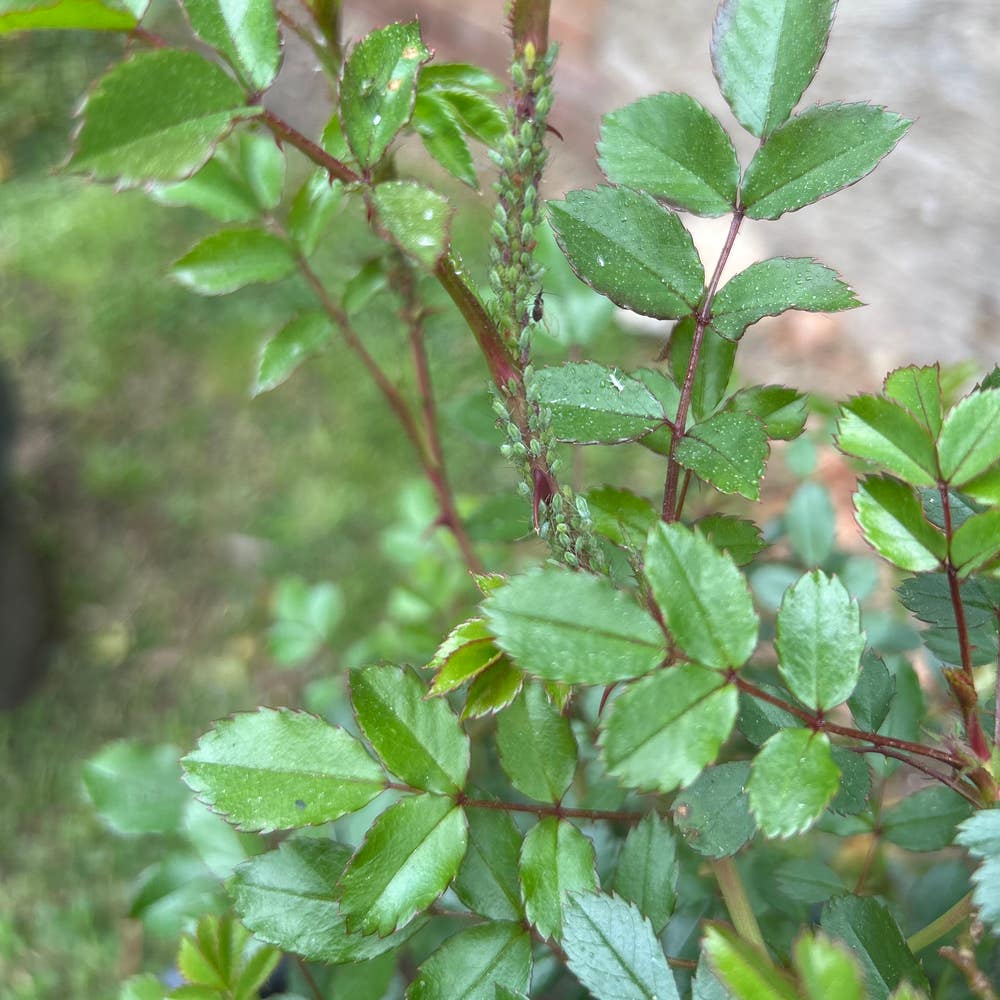
Aphids
Aphids are notorious pests that can wreak havoc on your climbing roses. Look for signs like curling leaves and a sticky residue on the foliage, which indicates their presence.
To control aphids, you can use insecticidal soap or introduce beneficial insects like ladybugs. These natural predators will help keep aphid populations in check.
Other Pests
Keep an eye out for spider mites, which leave behind webbing and cause stippled leaves. Regularly inspecting your plants can help catch these pests early.
Japanese beetles are another common threat. Handpicking them or using traps can effectively reduce their numbers and protect your roses from damage.
🦠 Diseases and Prevention
Black Spot
Black spot is a fungal disease that manifests as dark spots on leaves, often accompanied by yellowing. To prevent this issue, ensure good air circulation around your plants and practice proper watering techniques.
Powdery Mildew
Another common concern is powdery mildew, which appears as a white powdery coating on leaves. To prevent this, avoid overhead watering and ensure adequate spacing between your plants to promote airflow.
By implementing these protective measures, you can help your climbing roses thrive despite the challenges posed by weather and pests. Next, let’s explore the seasonal care needed to keep your roses flourishing throughout the year.
Seasonal Care
Spring Preparation 🌸
Spring is the time to rejuvenate your climbing roses. Start by pruning away any dead or damaged wood, which encourages fresh growth and sets the stage for a vibrant season ahead.
Next, apply a balanced fertilizer as new growth begins. This will provide essential nutrients to support your roses as they wake from dormancy.
Summer Maintenance ☀️
During the summer months, consistent watering is crucial. Ensure your climbing roses receive adequate moisture, especially as they bloom and thrive in the heat.
Don't forget to deadhead spent flowers regularly. This simple task encourages more blooms and keeps your plants looking their best throughout the season.
Fall Preparation 🍂
As fall approaches, it's time for final pruning. Shape your plants and remove any dead foliage to prepare them for the colder months ahead.
Mulching is also essential at this time. Apply a thick layer of mulch around the base of your roses to protect their roots from freezing temperatures.
Winter Care ❄️
Winter can be harsh for climbing roses, so take protective measures. Use burlap or frost cloth to shield your plants from biting winds and extreme cold.
Additionally, reduce your watering frequency as your roses enter dormancy. This helps prevent root rot and prepares them for a restful winter.
With these seasonal care tips, your climbing roses will not only survive but thrive, ready to burst into bloom when spring returns.
⚠️ Safety First
This content is for general information and may contain errors, omissions, or outdated details. It is not medical, veterinary advice, or an endorsement of therapeutic claims.
Always consult a qualified healthcare professional before using any plant as food, medicine, or supplement.
Never eat any plant (or feed one to pets) without confirming its identity with at least two trusted sources.
If you suspect poisoning, call Poison Control (800) 222-1222, the Pet Poison Helpline (800) 213-6680, or your local emergency service immediately.
Spotted an error? Please report it here.
Keep your climbing roses thriving and blooming 🌹 with Greg's tailored watering reminders and expert care tips that make seasonal maintenance a breeze!