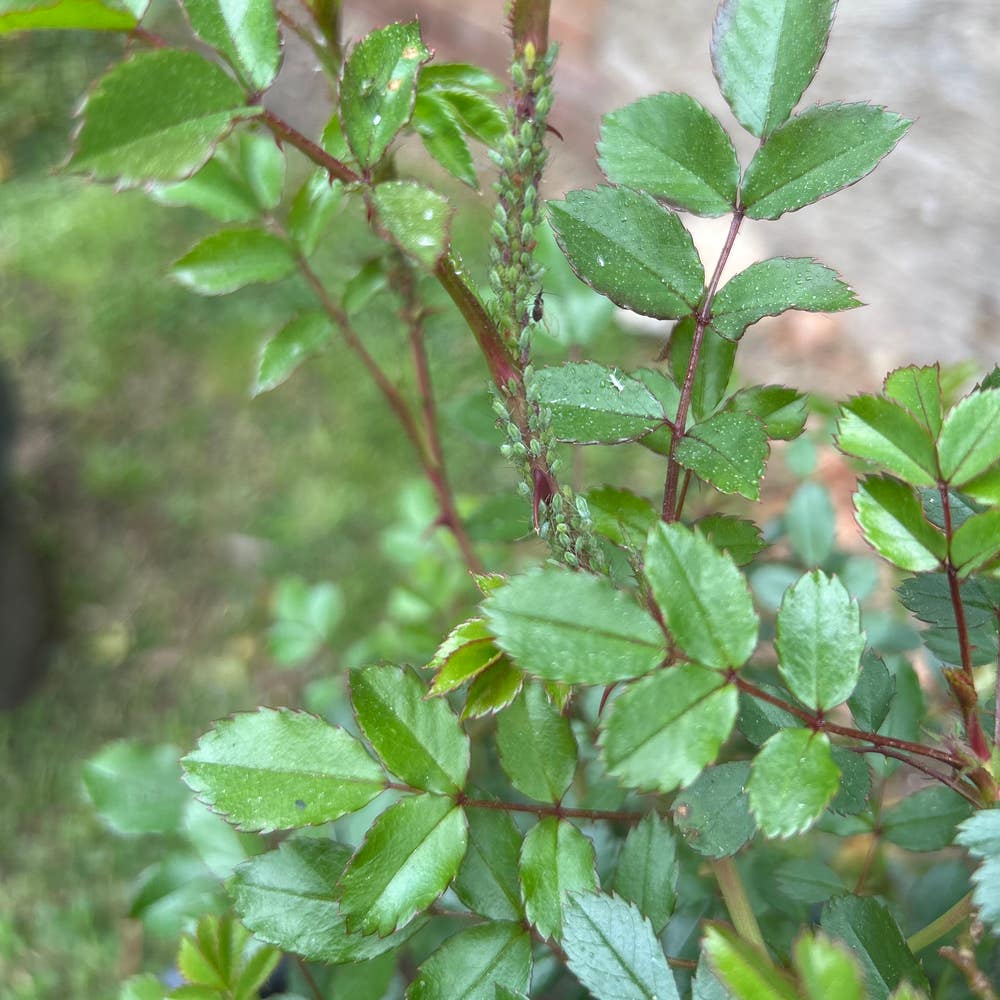
🌹 Growth Rate of Rose Bush
Rosa spp.
By the Greg Editorial Team
Nov 25, 2024•6 min read
This article was created with the help of AI so we can cover more plants for you. May contain errors. See one? Report it here.
- 🌱 Rose seeds germinate in 7-14 days with proper temperature and moisture.
- 🌞 Optimal growth requires 65°F to 75°F and indirect light for seedlings.
- 🌹 Full maturity takes 2-3 years, with growth rates of 1-2 feet annually.
Germination Stage
🌱 Duration of Germination
Germination is the first crucial step in growing a rose bush, typically taking 7 to 14 days. The speed of this process can be influenced by several factors, including temperature, moisture levels, and the quality of the seeds.
🌡️ Conditions for Successful Germination
To ensure successful germination, maintaining the right conditions is essential.
Optimal Temperature
Aim for a temperature range of 65°F to 75°F (18°C to 24°C). This warmth encourages the seeds to sprout effectively.
Soil Requirements
Use a well-draining, sterile seed-starting mix. This type of soil helps prevent diseases and provides the right environment for seed growth.
Moisture Levels
Keep the soil consistently moist, but avoid waterlogging. Too much water can drown the seeds, while too little can hinder germination.
Light Exposure
Provide indirect light to prevent overheating. Direct sunlight can be too harsh for newly germinated seeds, so a bright, shaded area is ideal.
By ensuring these conditions are met, you set the stage for healthy seedling development. Understanding the germination stage is vital as it lays the foundation for the rose bush's growth journey.
Next, we will explore the seedling stage, where the young plants begin to develop their first true leaves.
Seedling Stage
Duration of Seedling Growth 🌱
The seedling stage typically lasts 4 to 6 weeks until the plant develops its true leaves. This duration can vary based on factors like light availability and temperature, which play crucial roles in the growth process.
Characteristics of Seedlings 🌿
During this stage, the first signs of life are the cotyledons, or seed leaves, which emerge shortly after germination. As the plant matures, the development of true leaves marks its transition into the vegetative stage.
At the end of the seedling stage, you can expect your rose bush to stand 2 to 6 inches tall. This initial growth is vital, as it sets the foundation for a healthy, thriving plant.
Understanding the seedling stage is essential for nurturing your rose bush effectively. Proper care during this time will lead to a stronger plant ready for the next growth phases.
Next, we will explore the vegetative growth stage, where your rose bush will begin to flourish even more.
Vegetative Growth Stage
🌱 Duration of Vegetative Growth
The vegetative growth stage of a rose bush typically lasts from 6 weeks to several months. This duration can vary significantly based on factors such as the specific variety of rose, environmental conditions, and the care practices employed.
🍃 Changes in Foliage and Structure
During this stage, you'll notice remarkable changes in the foliage. The leaves not only increase in size but also in number, creating a lush appearance.
As the stems grow, they elongate and thicken, establishing a robust structure that supports the plant. Meanwhile, the root system expands significantly, anchoring the rose bush and providing essential nutrients for continued growth.
This stage is crucial for setting the foundation for future flowering and overall health. By ensuring optimal conditions, you can help your rose bush thrive and prepare for the next exciting phase of its life cycle.
Understanding these changes allows you to provide the right care, ensuring your rose bush reaches its full potential. Next, we will explore the flowering stage, where all your hard work begins to pay off with beautiful blooms.
Flowering Stage
Duration of Flowering 🌸
The flowering period of rose bushes can vary significantly depending on the cultivar. Generally, you can expect blooms to last anywhere from 4 to 8 weeks, with some continuous bloomers offering flowers throughout the growing season.
Types of Flowers Produced 🌼
Roses are known for their stunning diversity. Flower characteristics such as size, color, and fragrance can differ widely among cultivars, making each variety unique.
- Flowering Patterns: Some roses produce single blooms, while others create beautiful clusters, adding to their visual appeal.
Pollination Process 🐝
Pollination is a crucial part of the flowering stage. Roses attract a variety of pollinators, including bees and butterflies, which play a vital role in their reproduction.
- Self-Pollination: Interestingly, some rose varieties can self-pollinate, while others depend on cross-pollination to produce seeds. This adaptability can influence your gardening strategy.
Understanding the flowering stage is essential for nurturing healthy rose bushes. By recognizing the duration, flower types, and pollination processes, you can better appreciate the beauty and complexity of these beloved plants.
As we transition to the next stage, let's explore how roses produce seeds after flowering, ensuring the cycle of growth continues.
Seed Production Stage
Duration of Seed Production 🌱
The seed production stage typically lasts 4 to 6 weeks after flowering. This phase kicks off following successful pollination and fertilization, marking a crucial time for the rose bush.
Conditions for Seed Set ☀️
For optimal seed set, several environmental factors come into play. Adequate sunlight and moisture are essential during seed development to ensure healthy growth.
Additionally, care practices are vital. Keeping disturbances to a minimum allows for natural seed maturation, which is key to producing viable seeds.
Understanding these conditions can significantly impact your success in growing roses. By providing the right environment and care, you can enjoy a bountiful harvest of seeds for future planting.
As we move forward, let’s explore how the growth rate and maturation of rose bushes unfold, revealing the journey from seedling to full bloom.
Growth Rate and Maturation
How Long Until Fully Grown? 🌱
Rose bushes typically take 2 to 3 years to reach full maturity. This timeline can vary based on several factors, including the specific variety of rose, environmental conditions, and the care provided during their growth.
How Fast Does It Grow? 🚀
The growth rate of rose bushes varies by species and cultivar, usually ranging from 1 to 2 feet per year. During spring and summer, you can expect rapid growth, while fall and winter see a slowdown as the plant prepares for dormancy.
Notable Changes Throughout the Life Cycle 🌼
Changes in Structure and Size
In the initial growth phase, rose bushes experience a rapid increase in height and foliage during the vegetative stage. As they mature, they develop a robust structure characterized by thicker stems and larger root systems, which support their overall health and flowering potential.
Seasonal Changes and Their Impact
- Spring: This season marks the beginning of active growth and the initiation of flowering.
- Summer: Expect peak growth and flowering during these months, necessitating consistent care to maintain health.
- Fall: As temperatures drop, the plant prepares for dormancy, resulting in a reduced growth rate.
- Winter: During this dormant phase, growth slows significantly, allowing the plant to conserve energy.
Transition Between Growth Stages 🔄
Monitoring your rose bush for indicators of transition is crucial. Look for changes in leaf color, the onset of flowering, and adjustments in growth rate to understand when your plant is moving from one stage to another. Recognizing these transitions helps you provide the right care and support, ensuring optimal growth throughout the life cycle.
As you nurture your rose bush, keep these growth patterns in mind. They will guide you in fostering a thriving plant that blooms beautifully year after year. Next, we’ll explore the flowering stage, where your efforts truly come to life with vibrant colors and delightful fragrances.
⚠️ Safety First
This content is for general information and may contain errors, omissions, or outdated details. It is not medical, veterinary advice, or an endorsement of therapeutic claims.
Always consult a qualified healthcare professional before using any plant as food, medicine, or supplement.
Never eat any plant (or feed one to pets) without confirming its identity with at least two trusted sources.
If you suspect poisoning, call Poison Control (800) 222-1222, the Pet Poison Helpline (800) 213-6680, or your local emergency service immediately.
Spotted an error? Please report it here.
Nurture your rose bush's growth journey 🌱 with Greg's personalized care reminders and tailored watering plans, ensuring vibrant blooms and healthy foliage every step of the way!