🌹 Managing Yellow Leaves on Your Rose Bush
Rosa spp.
By the Greg Editorial Team
Nov 25, 2024•6 min read
This article was created with the help of AI so we can cover more plants for you. May contain errors. See one? Report it here.
- 🌱 Yellow leaves indicate nutrient deficiencies, especially nitrogen and iron.
- 💧 Overwatering and poor drainage lead to yellowing and root rot in roses.
- 🐛 Pests like aphids and spider mites cause yellow leaves; regular inspections are essential.
Causes of Yellow Leaves
🌱 Nutrient Deficiencies
Yellow leaves on your rose bush can often signal nutrient deficiencies. Two common culprits are nitrogen and iron.
- Nitrogen deficiency: This typically manifests as overall yellowing, starting from the older leaves.
- Iron deficiency: Look for yellowing between the leaf veins, while the veins themselves remain green.
Balanced fertilization is crucial for maintaining the health of your rose bushes. Regularly checking nutrient levels can help prevent these deficiencies.
💧 Overwatering and Poor Drainage
Overwatering is another significant factor leading to yellow leaves. Signs include yellowing leaves, wilting, and even root rot.
Well-drained soil is essential for healthy rose plants. To improve drainage, consider adding organic matter or sand to your soil mix.
🐞 Pests Affecting Rose Bushes
Aphids
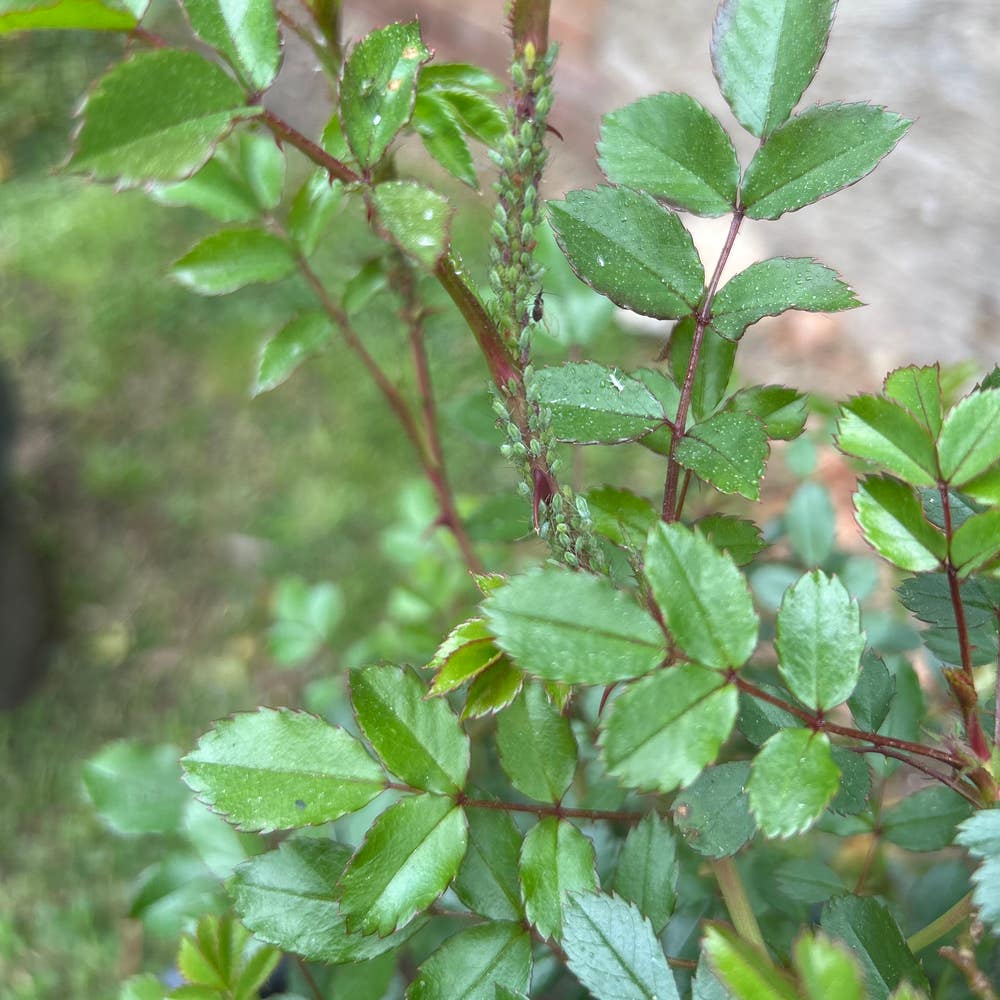
Aphids are small, soft-bodied insects that often appear on new growth. They can cause yellowing leaves and stunted growth, making them a pest to watch out for.
Spider Mites
Spider mites are tiny, spider-like creatures usually found on the undersides of leaves. Their damage appears as yellow speckling, which can lead to overall decline if not addressed.
🍄 Fungal Diseases
Powdery Mildew
Powdery mildew presents as white, powdery spots on leaves, often resulting in yellowing. High humidity and poor air circulation create ideal conditions for this fungus to thrive.
Black Spot
Black spot manifests as dark spots on leaves, leading to yellowing and eventual leaf drop. To prevent this disease, ensure proper spacing and air circulation around your rose bushes.
Understanding these causes is the first step in managing yellow leaves effectively. Next, we’ll explore how to diagnose these issues accurately.
Diagnosing Yellow Leaves
🌱 Identifying Symptoms of Nutrient Deficiency
Yellow leaves on your rose bush can often signal nutrient deficiencies. For instance, nitrogen deficiency typically causes overall yellowing, starting from the older leaves, while iron deficiency leads to yellowing between the leaf veins, leaving the veins themselves green.
Soil testing is crucial to confirm these nutrient levels. By understanding what your roses need, you can take targeted action to restore their health.
🐞 Recognizing Pest Infestations
Pests can wreak havoc on your rose bushes, leading to yellowing leaves and distorted growth. Look for visible insects, such as aphids or spider mites, as these are telltale signs of an infestation.
Regular inspections are key for early detection. Check the undersides of leaves and new growth, as this is where pests often hide.
🦠 Spotting Signs of Disease
Fungal infections can also cause yellow leaves, and identifying them early is vital. Look for symptoms like white, powdery spots for powdery mildew or dark spots for black spot disease.
Monitoring your plants for these signs can help you catch diseases before they spread. Keeping a close eye on your roses ensures you can act quickly to protect them.
💧 Assessing Watering Practices
Watering practices play a significant role in the health of your rose bushes. Evaluate how often you water and check the soil moisture levels to ensure you're not over or under-watering.
Techniques like the finger test—sticking your finger into the soil to gauge moisture—can help you determine when it's time to water again. This simple check can prevent yellow leaves and promote vibrant growth.
By diagnosing the causes of yellow leaves effectively, you can take the necessary steps to restore your rose bushes to their former glory. Next, let's explore various treatment options to address these issues head-on.
Treatment Options
Fertilization Techniques 🌱
To keep your rose bushes thriving, understanding fertilizers is key. Balanced NPK fertilizers provide essential nutrients, while specific supplements can target deficiencies.
When applying fertilizers, you have two main options: granular and liquid. Granular fertilizers release nutrients slowly, while liquid fertilizers offer a quick boost. Timing is crucial; apply during the growing season for optimal results.
Adjusting Watering Practices 💧
Proper watering is vital for preventing yellow leaves. Aim to water deeply but infrequently, allowing the soil to dry out between sessions.
Overwatering can lead to root rot, so check soil moisture regularly. A simple finger test can help you gauge when it's time to water again.
Pest Control Methods 🐞
Organic Options
For those looking to manage pests naturally, neem oil and insecticidal soap are effective against aphids and spider mites. These organic solutions are gentle on your plants and the environment.
Additionally, introducing beneficial insects like ladybugs can help keep pest populations in check. They’re nature’s little helpers!
Chemical Options ⚗️
In cases of severe infestations, chemical treatments may be necessary. Look for targeted pesticides that specifically address the pests affecting your roses.
Always follow safety precautions when using chemical pesticides. Wear gloves and a mask, and apply them on calm days to minimize drift.
Disease Management Strategies 🦠
Preventing diseases starts with good cultural practices. Ensure proper spacing between plants to promote air circulation, and regularly prune dead or infected foliage.
For fungal issues like powdery mildew and black spot, specific fungicides can be effective. Apply them as directed to keep your roses healthy and vibrant.
By implementing these treatment options, you can nurture your rose bushes back to health and enjoy their beauty for years to come. Next, let’s explore preventive measures to keep your roses thriving year-round.
Preventive Measures
🌱 Soil Health and Amendments
Maintaining nutrient balance in your rose bush starts with soil health. Regular soil testing is crucial; it helps you identify deficiencies and adjust accordingly.
Adding organic matter, such as compost or well-rotted manure, can significantly improve soil structure. This not only enhances nutrient retention but also promotes healthy root development.
💧 Proper Watering Techniques
Watering your roses correctly is essential to prevent yellow leaves. Aim for deep, infrequent watering to encourage strong root growth, allowing the soil to dry out slightly between sessions.
Mulching is another effective strategy. It helps retain soil moisture and regulates temperature, creating a more stable environment for your roses.
🐞 Regular Monitoring for Pests and Diseases
Consistent monitoring is key to keeping your roses healthy. Inspect your plants at least once a week for any signs of pests or diseases, focusing on the undersides of leaves and new growth.
Early intervention can save your plants from severe damage. If you spot any issues, take action immediately to protect your rose bushes and maintain their vibrant health.
With these preventive measures in place, your roses will be better equipped to thrive, reducing the likelihood of yellow leaves and other issues. Next, let’s explore effective treatment options for when problems do arise.
⚠️ Safety First
This content is for general information and may contain errors, omissions, or outdated details. It is not medical, veterinary advice, or an endorsement of therapeutic claims.
Always consult a qualified healthcare professional before using any plant as food, medicine, or supplement.
Never eat any plant (or feed one to pets) without confirming its identity with at least two trusted sources.
If you suspect poisoning, call Poison Control (800) 222-1222, the Pet Poison Helpline (800) 213-6680, or your local emergency service immediately.
Spotted an error? Please report it here.
Transform your rose bush's health and banish yellow leaves 🌹 with Greg's tailored care tips and reminders that ensure your plants get the nutrients and attention they need to flourish!