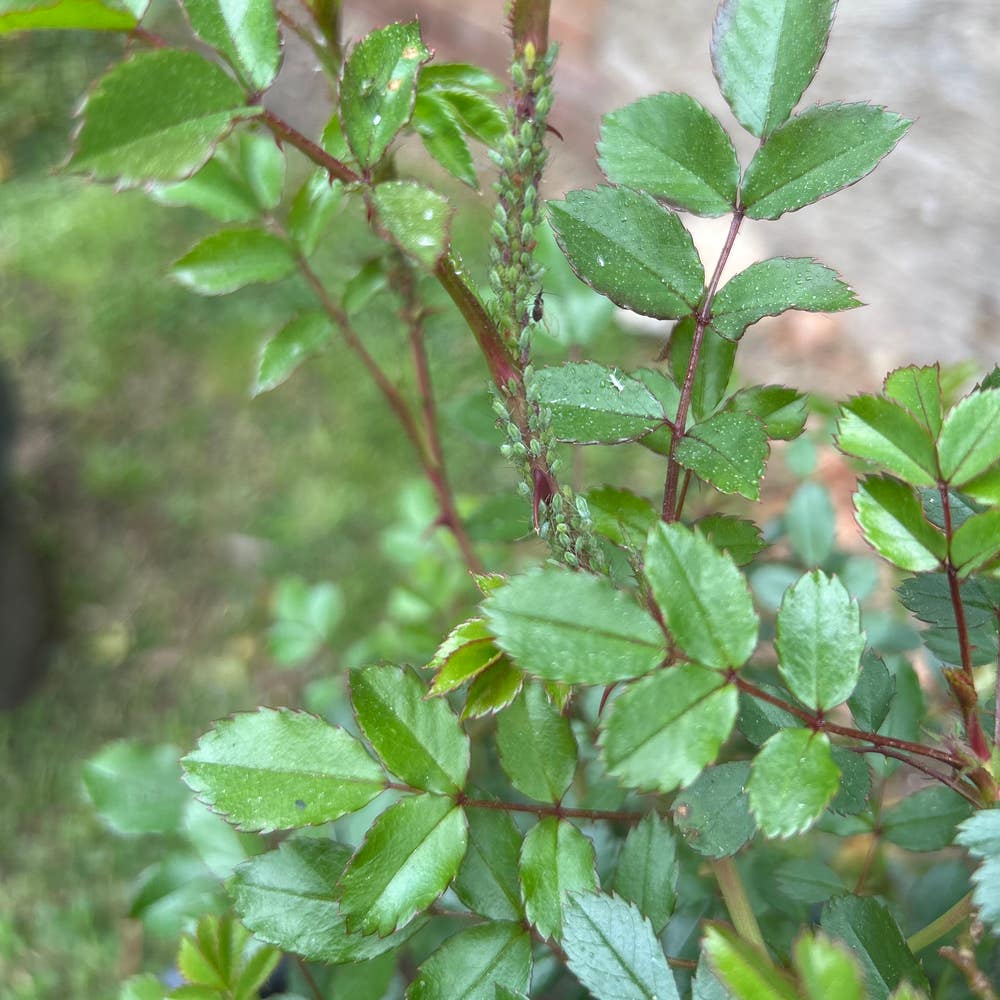
🌹 6 Tips for Fertilizing Your Rose Bush
Rosa spp.
By the Greg Editorial Team
Nov 25, 2024•5 min read
This article was created with the help of AI so we can cover more plants for you. May contain errors. See one? Report it here.
- 🌱 Fertilize in early spring for optimal growth and blooming of rose bushes.
- 🌼 Use organic or balanced NPK fertilizers for healthy soil and nutrient release.
- 📏 Tailor fertilization to rose variety and monitor health for best results.
When to Fertilize
🌱 Spring Timing
The best time to fertilize your rose bush is early spring, right as new growth begins to emerge. Aim to apply fertilizer 4-6 weeks before you expect blooms to support robust initial growth and flowering.
🍂 Fall Timing
In late summer to early fall, before the first frost, it's time to prepare your roses for winter. Fertilizing during this period strengthens the roots, and using a slow-release fertilizer helps avoid stimulating new growth that could be damaged by cold weather.
🌸 Seasonal Growth Cycles
Understanding the growth phases of your rose bush is crucial for effective fertilization.
- Early Spring: This is when active growth kicks off.
- Mid-Summer: Expect peak blooming during this time.
- Late Summer: Prepare your roses for dormancy.
Adjusting your fertilization schedule according to these cycles can optimize both the health of your plants and the beauty of their blooms.
With a solid grasp of when to fertilize, you can ensure your roses thrive throughout the seasons. Next, let’s explore how to effectively fertilize your rose bushes for maximum impact.
How to Fertilize
🌱 Types of Fertilizers
When it comes to fertilizing your rose bushes, you have two main options: organic and chemical fertilizers.
Organic options are fantastic for improving soil health and provide a slow release of nutrients. Common examples include compost and well-rotted manure, which enrich the soil over time.
On the other hand, chemical fertilizers can be very effective if used correctly. Look for balanced NPK formulations, like 10-10-10, which supply essential nutrients. Slow-release types are great for providing a steady nutrient supply, while liquid fertilizers offer quick nutrient uptake for immediate needs.
💧 Application Methods
Applying fertilizer correctly is crucial for your roses' health.
Granular fertilizers should be spread evenly around the base of the bush, ensuring you avoid direct contact with the stems. After application, watering in is essential to activate the nutrients and help them penetrate the soil.
For liquid fertilizers, dilute according to the package instructions and apply directly to the soil. It's best to do this every 4-6 weeks during the growing season to keep your roses thriving.
📏 Calculating the Right Amount
Getting the right amount of fertilizer is key to avoiding over-fertilization. A general guideline is to use about 1 cup of granular fertilizer per bush.
However, you may need to adjust this based on the size of the bush; larger bushes typically require more. Additionally, conducting soil tests can help you tailor the amounts based on existing nutrient levels, ensuring your roses get exactly what they need.
With these fertilization techniques in mind, you can help your rose bushes flourish beautifully. Next, let’s explore how to avoid over-fertilization and its potential pitfalls.
Avoiding Over-Fertilization
Symptoms 🌱
Over-fertilization can manifest in several noticeable ways. Excessive foliage growth often indicates too much nitrogen, while leaf burn presents as brown edges or tips on leaves.
Poor blooming can also be a sign of over-fertilization, resulting in fewer flowers than expected. Recognizing these symptoms early can help you adjust your fertilization practices.
Best Practices 📝
To avoid the pitfalls of over-fertilization, always follow the recommended application rates based on the type of fertilizer you use. Regularly monitoring your plant's health is crucial; this allows you to adjust fertilization as needed.
Consider using slow-release fertilizers, which minimize the risk of nutrient overload. These fertilizers provide a steady supply of nutrients without overwhelming your roses.
Adjusting Based on Soil Tests 🧪
Regular soil testing is essential for maintaining optimal health in your rose bushes. Testing helps determine nutrient levels and pH, ensuring your plants receive exactly what they need.
Aim for a soil pH between 6.0 and 6.8, as this range supports healthy growth. Tailoring your fertilization practices based on soil test results can lead to thriving roses and vibrant blooms.
By being mindful of these practices, you can cultivate a flourishing rose garden while avoiding the common pitfalls of over-fertilization. Next, let’s explore special considerations for different rose varieties to ensure each type gets the care it needs.
Special Considerations for Varieties
🌹 Hybrid Tea Roses
Hybrid tea roses are known as heavy feeders. To keep them thriving, fertilize every 4-6 weeks during the growing season.
🧗♀️ Climbing Roses
Climbing roses have nutrient needs similar to hybrid teas but can be fed less frequently. A schedule of every 6-8 weeks is typically sufficient.
🌳 Shrub Roses
Shrub roses are moderate feeders and require less attention than their hybrid counterparts. Fertilize these beauties every 6-8 weeks, with a particular focus on fall fertilization to prepare them for winter.
Understanding the specific needs of your rose varieties is crucial for their health and vibrancy. By tailoring your fertilization schedule, you can ensure that each type of rose receives the right nutrients at the right time, setting the stage for stunning blooms.
Troubleshooting Issues
🌱 Common Problems
Fertilizing your rose bush can sometimes lead to issues if not done correctly. Two common problems are nutrient burn and poor blooming.
Nutrient burn occurs when there's excessive fertilizer application, leading to damaged roots and foliage. On the other hand, poor blooming often results from nutrient imbalances or incorrect timing in your fertilization schedule.
🚰 Solutions for Nutrient Burn
If you suspect nutrient burn, take immediate action by flushing the soil with water. This helps dilute the excess nutrients and can alleviate some of the damage.
For future applications, consider reducing both the amount and frequency of fertilizer. This will help prevent the same issue from recurring.
🌸 Addressing Poor Blooming
To tackle poor blooming, start by reviewing your fertilization history. Look for signs of over or under-fertilization that could be affecting your roses.
Once you've identified potential issues, implement corrective measures. Adjust nutrient ratios and tweak your application timing based on how your plants respond. This proactive approach can lead to healthier blooms and a more vibrant garden.
With these troubleshooting tips, you can keep your rose bushes thriving and beautiful. Now, let’s explore special considerations for different rose varieties to further enhance your gardening success.
⚠️ Safety First
This content is for general information and may contain errors, omissions, or outdated details. It is not medical, veterinary advice, or an endorsement of therapeutic claims.
Always consult a qualified healthcare professional before using any plant as food, medicine, or supplement.
Never eat any plant (or feed one to pets) without confirming its identity with at least two trusted sources.
If you suspect poisoning, call Poison Control (800) 222-1222, the Pet Poison Helpline (800) 213-6680, or your local emergency service immediately.
Spotted an error? Please report it here.
Unlock vibrant blooms for your rose bushes 🌹 with Greg's tailored fertilization reminders and soil testing tips that ensure your plants thrive all season long!