πΉ Ultimate Guide to What's Eating Your Climbing Rose
Rosa spp.
By the Greg Editorial Team
Nov 25, 2024•5 min read
This article was created with the help of AI so we can cover more plants for you. May contain errors. See one? Report it here.
- πΉ Climbing roses attract herbivores due to their nutrient-rich flowers and shoots.
- π¦ Deer and rabbits are major threats, causing significant damage to climbing roses.
- π‘οΈ Effective deterrents include repellents, fencing, and companion planting for protection.
Climbing Rose Appearance and Appeal to Animals
πΉ Description of Appearance
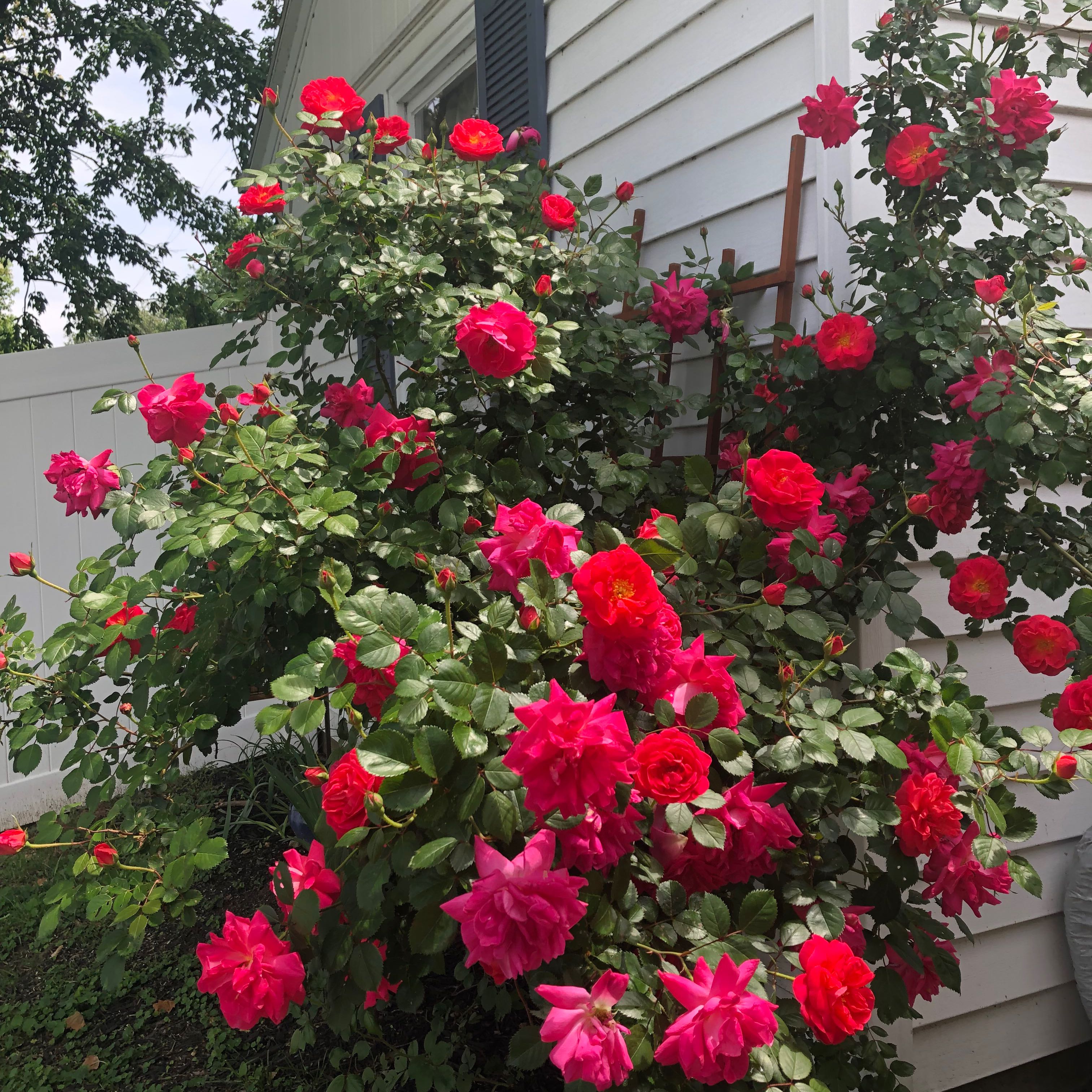
Climbing roses are a stunning addition to any garden, characterized by their long canes that can reach several feet in length. These vigorous growth habits allow them to scale trellises and fences, creating a lush vertical display.
Their fragrant, colorful blooms are not just a feast for the eyes; they also attract a variety of pollinators, enhancing the garden's ecosystem. The dark green leaves provide a rich backdrop, making the vibrant flowers stand out even more.
πΎ Most Appealing Parts to Animals
The allure of climbing roses extends beyond their beauty. The flowers are nutrient-rich and palatable, making them a favorite among various herbivores.
Young shoots are particularly tender and nutritious, drawing in many garden animals looking for a tasty snack. Additionally, the hips, or fruits, are high in vitamins, making them irresistible to foraging animals.
In summary, the climbing rose's vibrant appearance and nutritious parts create a perfect storm of attraction for animals, which can lead to challenges for gardeners. Understanding these dynamics is crucial for protecting your climbing roses from potential herbivore damage.
Common Herbivores Affecting Climbing Rose
π¦ Deer
Signs of presence and damage caused
Deer are notorious for their appetite for climbing roses. Look for irregularly shaped bites on leaves and stems, indicating browsing activity. You may also spot hoof prints in muddy areas near your roses, signaling their presence.
Beneficial vs. harmful interaction
While deer can be beautiful to observe, they are generally harmful to climbing roses. Their feeding can severely damage or even kill young plants, making them a significant threat to your garden.
Deterrent methods (difficulty: moderate)
To protect your climbing roses from deer, consider using chemical deterrents like commercial repellents with strong scents. Alternatively, you can plant deer-resistant companion plants or use human hair and soap shavings as organic deterrents.
π Rabbits
Signs of presence and damage caused
Rabbits leave distinct signs of their presence. Look for cleanly cut stems and leaves, often with diagonal cuts on young shoots, as well as small, round droppings near the base of the plant.
Beneficial vs. harmful interaction
Rabbits are generally harmful to climbing roses. Their nibbling can cause significant damage, especially to young plants that are still establishing themselves.
Deterrent methods (difficulty: easy)
To deter rabbits, you can use bitter-tasting chemical sprays. For a more organic approach, consider installing fencing that is 2-3 feet high or using repellents like cayenne pepper to keep them at bay.
πΏοΈ Squirrels
Signs of presence and damage caused
Squirrels can be quite the nuisance for climbing roses. Look for gnaw marks on branches and petals, as well as twigs and leaves taken from the rose for nesting materials.
Beneficial vs. harmful interaction
Squirrels are generally harmful to your climbing roses. Their chewing can damage flowers and young growth, leading to a less vibrant garden.
Deterrent methods (difficulty: moderate)
To keep squirrels away, try using capsaicin-based sprays as a chemical deterrent. Alternatively, you can install squirrel-proof feeders to distract them from your climbing roses.
π¦ Birds
Signs of presence and damage caused
Birds can have a mixed impact on climbing roses. Signs of their presence include pecked flowers and fruits, with missing petals or holes in the hips. You may also notice nesting behavior in nearby shrubs or trees.
Beneficial vs. harmful interaction
Some birds are beneficial as pollinators, while others may damage your flowers. This dual role makes their presence both a blessing and a curse.
Deterrent methods (difficulty: easy)
To protect your climbing roses from harmful birds, consider using non-toxic bird repellents. Hanging reflective objects or using netting can also help safeguard your blooms from pecking.
π Rodents (mice, voles, etc.)
Signs of presence and damage caused
Rodents can be stealthy but leave clear signs of their presence. Look for gnawed roots and stems, which indicate tunneling near the base of the plant, as well as small, dark pellets nearby.
Beneficial vs. harmful interaction
Rodents are generally harmful to climbing roses. Their activity can cause root damage and weaken the plants, making them vulnerable to other threats.
Deterrent methods (difficulty: moderate)
To deter rodents, use chemical repellents with strong scents. For a more organic solution, consider trapping or utilizing natural predators like barn owls to help manage their population.
As you navigate the challenges posed by these common herbivores, remember that proactive measures can significantly enhance the health of your climbing roses. Next, weβll explore general protection strategies to keep your roses thriving amidst these threats.
General Protection Strategies for Climbing Rose
π‘οΈ Preventive Measures Against Herbivore Damage
To safeguard your climbing roses, consider installing fencing around young plants. A sturdy barrier can deter many herbivores from munching on your prized blooms.
Companion planting is another effective strategy. By surrounding your roses with plants that naturally repel herbivores, you create a protective environment that keeps unwanted visitors at bay.
π¨ Reactive Solutions for Managing Animal Interactions
Regular monitoring is crucial for early detection of animal damage. Keep an eye out for signs like chewed leaves or missing blooms to catch issues before they escalate.
When you notice any signs of herbivores, act quickly. Applying deterrents immediately can help protect your climbing roses from further harm.
π Seasonal Variations in Animal Attraction to Climbing Rose
Animal activity around climbing roses varies with the seasons. In spring, expect increased visits as animals seek out tender shoots and fragrant blooms.
As fall approaches, the focus shifts to the hips, which become a sought-after food source for foraging animals. Understanding these patterns can help you anticipate and mitigate potential damage.
β οΈ Discussion of Any Toxic Effects of Climbing Rose on Animals
While climbing roses are generally safe, they can have mild toxic effects if consumed in large quantities. Most herbivores will not face serious harm, but it's wise to be aware of this potential risk.
By implementing these protection strategies, you can enjoy the beauty of your climbing roses while minimizing the impact of hungry animals. Next, letβs explore the specific herbivores that commonly affect these stunning plants.
β οΈ Safety First
This content is for general information and may contain errors, omissions, or outdated details. It is not medical, veterinary advice, or an endorsement of therapeutic claims.
Always consult a qualified healthcare professional before using any plant as food, medicine, or supplement.
Never eat any plant (or feed one to pets) without confirming its identity with at least two trusted sources.
If you suspect poisoning, call Poison Control (800) 222-1222, the Pet Poison Helpline (800) 213-6680, or your local emergency service immediately.
Spotted an error? Please report it here.