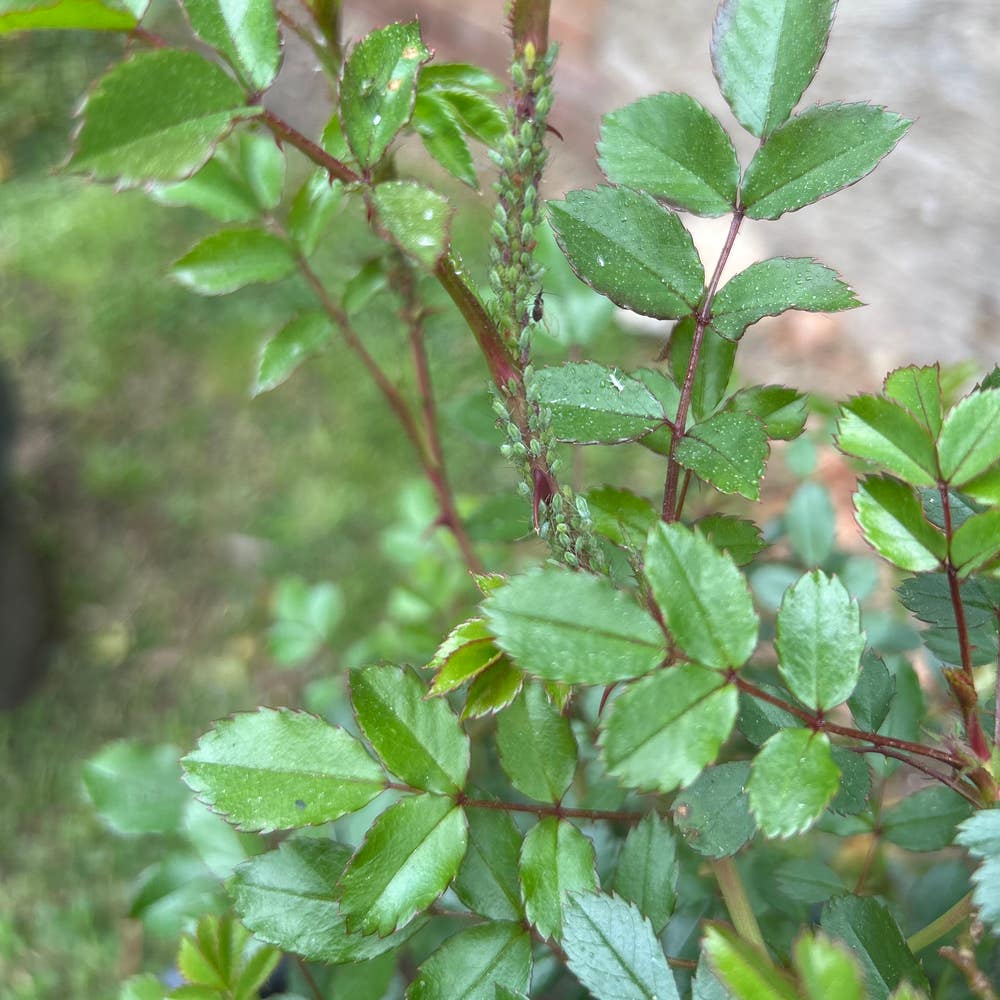
When to Repot Climbing Rose 🌹
Rosa spp.
By the Greg Editorial Team
Nov 25, 2024•6 min read
This article was created with the help of AI so we can cover more plants for you. May contain errors. See one? Report it here.
- 🌱 Repot climbing roses in spring to align with their natural growth cycle.
- 🕵️♂️ Look for root-bound signs like roots escaping drainage holes for timely repotting.
- 🧴 Use well-draining soil and a pot 1-2 inches larger for healthy growth.
Signs That Climbing Rose Needs Repotting
🌱 Identifying Root Bound Conditions
Recognizing when your climbing rose is root-bound is crucial for its health. Look for roots growing out of the drainage holes, which indicates they are cramped for space.
Another sign is roots circling the pot's interior. If you notice stunted growth or wilting despite providing adequate care, it’s time to consider repotting.
⏰ Importance of Timing for Repotting
Timing plays a significant role in the success of repotting your climbing rose. Spring is the optimal season for this task, as the plant is waking up from dormancy and ready to grow.
Repotting at the wrong time can stress the plant, leading to poor growth and making it more susceptible to diseases.
🌼 Seasonal Considerations for Repotting
Spring is the best time to repot your climbing rose, as it aligns with the plant's natural growth cycle. This timing allows for a smoother transition and encourages robust growth.
Avoid repotting in the fall, as this can lead to transplant shock just before winter sets in. Summer repotting is possible but requires careful monitoring of the plant's water needs to prevent stress.
With these signs and timing considerations in mind, you can ensure your climbing rose thrives in its new pot. Next, let’s explore how to successfully repot your climbing rose for optimal growth.
How to Successfully Repot Climbing Rose
Repotting your climbing rose can seem daunting, but with the right steps, it can be a rewarding experience. Here’s a straightforward guide to help you through the process.
🌱 Step-by-Step Repotting Process
- Prepare the new pot: Choose a pot that has drainage holes and is 1-2 inches larger in diameter than the current one.
- Remove the Climbing Rose from its current pot: Gently loosen the soil around the edges and lift the plant out, being careful not to damage the roots.
- Inspect the root system: Look for any damaged or excessively long roots and trim them as needed to promote healthy growth.
- Place the plant in the new pot: Position it at the same depth as it was in the old pot to avoid stress on the plant.
- Fill with Climbing Rose potting soil: Use a well-draining mix, ensuring there are no air pockets that could hinder root growth.
- Water thoroughly: After filling, water the plant well and allow excess water to drain out to keep the roots healthy.
🥣 Preparing the New Pot and Soil
For the best results, use a recommended soil mix that combines potting soil, perlite, and compost. This blend provides optimal drainage and nutrients, essential for your climbing rose's health.
Pre-soaking the soil before adding it to the pot can help ensure moisture retention after repotting. This simple step can make a significant difference in your plant's recovery.
🌿 Handling the Root System During Repotting
Gentle handling of the root system is crucial. Minimizing stress on the plant helps it adapt better to its new environment.
When pruning roots, use clean, sharp scissors to prevent infection. This attention to detail can lead to a thriving climbing rose in its new home.
Repotting is just the beginning of your climbing rose's journey. Next, let's explore how to choose the right pot material for your plant's needs.
Choosing the Right Pot Material
When it comes to repotting your climbing rose, the choice of pot material can significantly impact its health and growth. Each material has its unique characteristics, so let's break down the pros and cons.
Pros and Cons of Each Material for Climbing Rose 🌹
Ceramic
- Pros: Ceramic pots are visually appealing and provide excellent insulation for roots.
- Cons: They can be quite heavy and may retain moisture, which could lead to root rot if not monitored.
Plastic
- Pros: Lightweight and affordable, plastic pots often come with good drainage options.
- Cons: They tend to be less durable and can heat up quickly in direct sunlight, potentially harming the roots.
Terracotta
- Pros: Terracotta pots offer excellent drainage and are breathable, allowing for healthy root development.
- Cons: They are prone to cracking and can dry out quickly, requiring more frequent watering.
Metal
- Pros: Metal pots are durable and provide a modern aesthetic that can complement your garden.
- Cons: They can overheat in the sun and may not offer adequate drainage, which is crucial for climbing roses.
Best Practices for Pot Selection 🥇
When selecting a pot, always ensure it has adequate drainage holes to prevent water accumulation. Additionally, consider how the pot's aesthetic will align with the climbing rose's growth habits, as a well-chosen pot can enhance both the plant's beauty and your garden's overall appeal.
Choosing the right pot material is just one step in ensuring your climbing rose thrives. Next, we'll explore how to determine the appropriate pot size and ensure proper drainage for optimal growth.
Pot Size and Drainage
🌱 Determining the Right Pot Size for Climbing Rose
Choosing the right pot size is crucial for your climbing rose's health. As a general guideline, increase the pot size by 1-2 inches in diameter with each repotting.
Consider the growth rate of your specific climbing rose variety. Faster-growing varieties may need larger pots more frequently, while slower growers can thrive in smaller spaces longer.
🕳️ Importance of Drainage Holes
Drainage holes are essential for preventing water accumulation. Without them, excess water can lead to root rot, which can be detrimental to your climbing rose.
Healthy root development relies on proper drainage. Ensure your pot has adequate holes to allow excess moisture to escape, promoting a thriving root system.
🚰 How to Ensure Proper Drainage in Pots
To enhance drainage, start by adding a layer of gravel or stones at the bottom of the pot. This layer acts as a barrier, preventing soil from clogging the drainage holes.
Incorporate well-draining potting soil to facilitate water flow. A mix designed for climbing roses will help maintain moisture levels without suffocating the roots.
With the right pot size and drainage, your climbing rose will have the best chance to flourish. Next, let’s explore post-repotting care to ensure your plant continues to thrive.
Post-Repotting Care
💧 Watering After Repotting
After repotting your climbing rose, it's crucial to water it thoroughly. This helps settle the soil around the roots and ensures they make good contact with the new potting mix.
Ongoing, keep an eye on moisture levels. Overwatering can lead to root rot, so it's essential to let the top inch of soil dry out before watering again.
☀️ Light and Temperature Considerations
Once repotted, gradually reintroduce your climbing rose to full sunlight. For the first few days, protect it from direct sun to prevent stress.
Stable temperatures are vital for recovery. Avoid placing your plant in drafty areas or exposing it to extreme temperature fluctuations.
🚨 Monitoring for Transplant Shock
Be vigilant for signs of transplant shock, which can include wilting, yellowing leaves, and slowed growth. These symptoms indicate that your plant is adjusting to its new environment.
To mitigate shock, provide consistent care and refrain from fertilizing immediately after repotting. This allows your climbing rose to focus on establishing itself in its new home.
With proper post-repotting care, your climbing rose will thrive and reward you with beautiful blooms. Next, let’s explore the best practices for choosing the right pot material to ensure your plant's continued success.
⚠️ Safety First
This content is for general information and may contain errors, omissions, or outdated details. It is not medical, veterinary advice, or an endorsement of therapeutic claims.
Always consult a qualified healthcare professional before using any plant as food, medicine, or supplement.
Never eat any plant (or feed one to pets) without confirming its identity with at least two trusted sources.
If you suspect poisoning, call Poison Control (800) 222-1222, the Pet Poison Helpline (800) 213-6680, or your local emergency service immediately.
Spotted an error? Please report it here.
Ensure your climbing rose flourishes in its new pot by using Greg's tailored reminders and expert tips for successful repotting! 🌹