What to Do About Droopy Leaves on Your Climbing Rose 🌹
Rosa spp.
By the Greg Editorial Team
Nov 25, 2024•7 min read
This article was created with the help of AI so we can cover more plants for you. May contain errors. See one? Report it here.
- 🌧️💧 Droopy leaves result from overwatering, underwatering, or nutrient deficiencies.
- 🐛 Pests like aphids and spider mites can cause droopiness. Regular checks are essential!
- 🌱 Improve soil drainage and monitor moisture for healthy climbing roses.
Causes of Droopy Leaves
💧 Overwatering and Its Effects
Overwatering is a common culprit behind droopy leaves in climbing roses. Symptoms include yellowing leaves, soggy soil, and root rot, which can suffocate the roots and hinder nutrient uptake.
Proper soil drainage is crucial for the health of your roses. Well-drained soil prevents waterlogging, allowing roots to breathe and absorb nutrients effectively.
🚰 Underwatering and Its Symptoms
On the flip side, underwatering can also lead to droopy leaves. Signs include wilting leaves, dry soil, and crispy leaf edges, which indicate that your plant is struggling to survive.
Underwatering can stunt growth and reduce flowering. Consistent watering practices are essential to keep climbing roses thriving.
🌱 Nutrient Deficiencies
Nitrogen Deficiency
Nitrogen deficiency manifests as pale green leaves and stunted growth. This nutrient is vital for leaf development and overall vigor in climbing roses.
Without adequate nitrogen, your roses may struggle to reach their full potential. Regular monitoring of nutrient levels can help prevent this issue.
Potassium Deficiency
Potassium deficiency shows up as leaf tip burn and poor flowering. Potassium plays a crucial role in stress resistance and overall plant health.
Ensuring your climbing roses receive sufficient potassium can enhance their resilience and blooming capacity.
🐞 Pest Infestations
Common Pests Affecting Climbing Roses
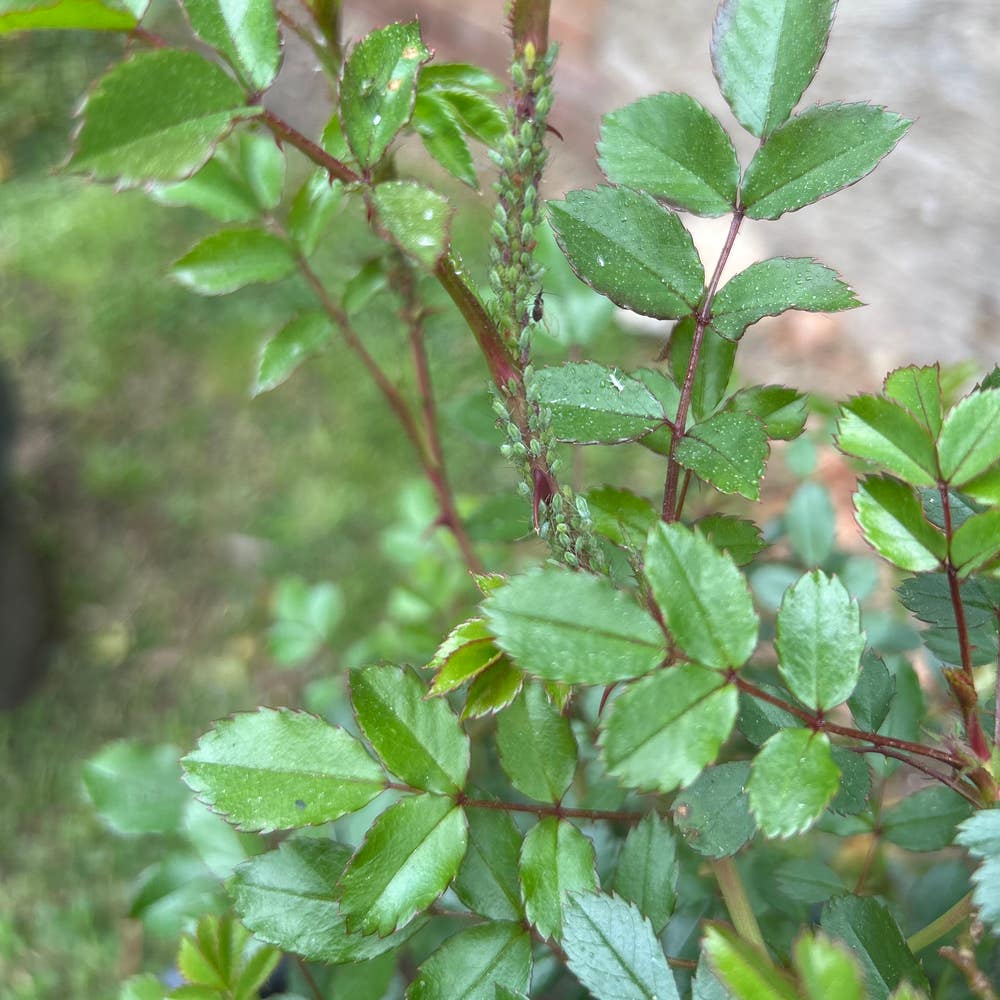
Aphids are notorious for infesting climbing roses, causing damage that can lead to droopy leaves. Look for signs of infestation, such as distorted leaves and sticky residue.
Spider mites can also wreak havoc on your roses. Symptoms include fine webbing and yellowing leaves, indicating a need for immediate action.
🍄 Fungal Diseases
Powdery Mildew
Powdery mildew appears as white powdery spots on leaves and can cause leaf curling. High humidity and poor air circulation create ideal conditions for this fungal growth.
To combat powdery mildew, ensure your climbing roses have adequate airflow and consider using fungicides if necessary.
Root Rot
Root rot is another serious issue, often indicated by wilting despite adequate watering and blackened roots. This condition typically arises from overwatering and poor soil drainage.
Addressing root rot involves improving drainage and adjusting your watering habits to prevent further damage.
Understanding these causes of droopy leaves is the first step in restoring your climbing roses to their vibrant selves. Next, we’ll explore how to diagnose these issues effectively.
Diagnosing Droopy Leaves
🌊 Visual Signs of Overwatering vs. Underwatering
When it comes to diagnosing droopy leaves, the first step is to observe the visual signs. Overwatered leaves often appear yellow and may feel soggy, while underwatered leaves typically wilt and develop crispy edges.
Checking the soil condition is crucial. If the soil is consistently wet, you might be overwatering; if it's dry and crumbly, underwatering is likely the culprit. Always check soil moisture levels before deciding to water.
🐛 Identifying Pests on Climbing Roses
Pests can be sneaky, but regular inspections can help you catch them early. Look closely at the leaves and stems for any signs of infestation, such as discolored spots or webbing.
Common signs of pest damage include leaf distortion and sticky residue, which may indicate aphids or spider mites. If you notice these symptoms, it’s time to take action.
🥦 Recognizing Nutrient Deficiency Symptoms
Nutrient deficiencies can also lead to droopy leaves. For instance, nitrogen deficiency often manifests as pale green leaves and stunted growth, while potassium deficiency can cause leaf tip burn and poor flowering.
Regular monitoring of your climbing rose's nutrient levels is essential. This proactive approach can help you maintain vibrant, healthy plants.
🌱 Assessing Soil Conditions and Drainage
Soil conditions play a vital role in plant health. To assess drainage, conduct a simple water retention test by digging a small hole and filling it with water. Observe how quickly the water drains away.
Well-draining soil is crucial for climbing roses to thrive. If your soil retains too much moisture, consider amending it to improve drainage and aeration.
By diagnosing the causes of droopy leaves effectively, you can take the necessary steps to restore your climbing rose's health. Next, let’s explore solutions to address these issues and bring your roses back to life.
Solutions for Droopy Leaves
🌊 Adjusting Watering Practices
To revive your climbing roses, start with your watering routine. Aim for deep watering once a week to ensure the roots receive adequate moisture without becoming waterlogged.
Check soil moisture before watering using simple techniques like the finger test or a moisture meter. This helps prevent both overwatering and underwatering, keeping your roses healthy.
🌱 Fertilizing for Nutrient Balance
Nutrient balance is crucial for vibrant climbing roses. Use fertilizers with balanced NPK ratios to provide essential nutrients, promoting lush growth and flowering.
Timing is key; fertilize in early spring and again in mid-summer to support your plants through their growing season. This ensures they have the nutrients they need when they need them most.
🐞 Pest Control Methods
Organic Options
For pest management, consider organic solutions first. Neem oil and insecticidal soap are effective against common pests, while introducing beneficial insects can help maintain a healthy ecosystem in your garden.
These methods are not only safer for the environment but also promote long-term plant health.
Chemical Options
If pests persist, chemical treatments may be necessary. Use these as a last resort and always follow safety precautions to protect both your plants and the surrounding environment.
🍄 Treating Fungal Infections
Fungal infections like powdery mildew and root rot can wreak havoc on your climbing roses. Recommended fungicides can effectively combat these issues, but proper application techniques are essential for success.
Always read the instructions carefully and apply treatments during cooler parts of the day to minimize stress on your plants.
🌿 Improving Soil Drainage and Aeration
Soil conditions play a significant role in the health of your climbing roses. Amending your soil with organic matter or perlite can enhance drainage and aeration, preventing waterlogging and root suffocation.
Consider using raised beds for better drainage, especially in areas prone to heavy rainfall. This simple adjustment can make a world of difference in your roses' health.
With these solutions in hand, you can tackle droopy leaves effectively. Next, let’s explore preventative measures to keep your climbing roses thriving year-round.
Preventative Measures
Best Practices for Watering Climbing Roses 🌊
Effective watering is crucial for the health of your climbing roses. Aim to water deeply once a week, ensuring the soil is moist but not soggy.
Adjust your watering routine based on seasonal changes. In hotter months, your roses may need more frequent watering, while cooler months may require less.
Regular Inspection for Pests and Diseases 🔍
To keep your climbing roses thriving, inspect them regularly for pests and diseases. Aim for bi-weekly inspections during the growing season to catch any issues early.
Early detection is key to effective management. The sooner you spot a problem, the easier it is to address it before it escalates.
Soil Testing for Nutrient Levels 🧪
Soil testing is an essential practice for maintaining nutrient balance in your garden. Conduct tests annually to monitor nutrient levels and adjust your fertilization accordingly.
Understanding your soil's nutrient profile helps you provide the right care for your climbing roses, ensuring they receive the nutrients they need to flourish.
Seasonal Care Tips to Prevent Droopiness 🍂
Seasonal adjustments in care practices can significantly impact the health of your climbing roses. Pay attention to the changing weather and adapt your watering and fertilization accordingly.
Implementing recommended practices throughout the year—like mulching in summer and protecting roots in winter—will help maintain plant health and prevent droopiness.
By following these preventative measures, you can ensure your climbing roses remain vibrant and healthy, ready to bloom beautifully.
⚠️ Safety First
This content is for general information and may contain errors, omissions, or outdated details. It is not medical, veterinary advice, or an endorsement of therapeutic claims.
Always consult a qualified healthcare professional before using any plant as food, medicine, or supplement.
Never eat any plant (or feed one to pets) without confirming its identity with at least two trusted sources.
If you suspect poisoning, call Poison Control (800) 222-1222, the Pet Poison Helpline (800) 213-6680, or your local emergency service immediately.
Spotted an error? Please report it here.
Keep your climbing roses vibrant and droop-free 🌹 by using Greg to monitor watering and nutrient needs, ensuring they thrive with personalized care reminders!