What You Should Know About Double Rose Bush 🌹
Rosa spp.
By the Greg Editorial Team
Jan 28, 2025•13 min read
This article was created with the help of AI so we can cover more plants for you. May contain errors. See one? Report it here.
- 🌞 Double rose bushes need 6-8 hours of sunlight for optimal growth.
- 🌱 Plant in well-drained soil with a pH of 6.0 to 6.8 for best results.
- ✂️ Prune in late winter to promote air circulation and remove dead wood.
How to Grow
Choosing the Right Location 🌞
Double rose bushes thrive in full sun, requiring 6-8 hours of direct sunlight daily. Additionally, consider wind protection and ensure good drainage to promote healthy growth.
Soil Preparation and Amendments 🌱
For optimal growth, plant in well-drained, fertile soil with a pH of 6.0 to 6.8. Enhance soil fertility by incorporating compost and organic matter.
Planting Techniques 🌿
When planting, ensure the graft union is above soil level to prevent rot. Space your roses 18-24 inches apart to allow for adequate air circulation.
Watering Requirements 🚰
After planting, give your roses a deep watering to establish roots. Moving forward, maintain a weekly watering schedule, adjusting based on rainfall and temperature.
Fertilizing Methods 🍽️
Fertilize your double rose bushes every 4-6 weeks during the growing season. A balanced NPK fertilizer will provide the necessary nutrients for robust growth.
Pruning Techniques ✂️
Prune in late winter or early spring before new growth begins. Focus on removing dead or diseased wood and shaping the plant for better air circulation.
Ongoing Care Tips 🌼
Regular deadheading is essential to encourage continuous blooming. Keep an eye out for pests and diseases to ensure your roses remain healthy and vibrant.
With these foundational care tips, your double rose bushes will flourish, setting the stage for a beautiful garden display. Next, let's explore how to propagate these stunning plants for even more blooms!
Propagation
🌱 Methods of Propagation
Propagation of double rose bushes can be achieved through two primary methods: cuttings and grafting. Each method has its unique advantages and can be selected based on your gardening preferences and resources.
📋 Step-by-Step Instructions
Cuttings
- Select Healthy Stems: Choose robust stems that are 6-8 inches long.
- Prepare the Cuttings: Remove the lower leaves to prevent rot.
- Rooting Hormone: Dip the cut end in rooting hormone to encourage root growth.
- Planting: Place the cutting in moist potting mix, ensuring good contact with the soil.
- Humidity Maintenance: Cover the pot with plastic to create a humid environment, which aids in rooting.
Grafting
- Choose Your Materials: Select a compatible rootstock and scion for grafting.
- Make Clean Cuts: Ensure your cuts are smooth to promote healing.
- Join and Secure: Align the scion with the rootstock and secure it using grafting tape to hold it in place.
⏰ Timing and Conditions
The best time to take cuttings is early spring when the plant is actively growing. For optimal success, ensure a warm and humid environment, which is crucial for both cuttings and grafting to thrive.
With these propagation techniques, you can expand your rose garden or share the beauty of double rose bushes with friends and family. Next, let’s explore the lifecycle of these stunning plants and what to expect as they grow.
Lifecycle
Overview of Lifecycle Stages 🌱
Double rose bushes are perennial plants, meaning they can thrive for several years with the right care. Their lifecycle includes distinct stages: germination, seedling, vegetative growth, flowering, and seed production.
Germination and Seedling Stage 🌼
Germination typically takes 7-14 days under optimal conditions, so patience is key. During the seedling stage, ensure they receive adequate light and moisture to promote healthy growth.
Growth and Flowering Phases 🌸
These plants have a moderate growth rate, usually reaching maturity in about 2-3 years. Flowering typically begins in late spring to early summer, showcasing their stunning blooms.
Seed Production and Lifespan 🌿
With proper care, double rose bushes can live between 5-10 years. After flowering, they produce seeds, which can be collected for propagation, ensuring the beauty continues for future generations.
This lifecycle knowledge is essential for any gardener looking to cultivate these beautiful plants successfully. Next, let’s explore how to manage their size effectively.
Size
Mature Height and Spread 🌹
Double rose bushes typically reach a height of 3 to 5 feet. Their spread can vary from 2 to 4 feet, depending on the specific variety you choose.
Growth Rate and Influencing Factors 📈
These bushes exhibit a moderate growth rate, which can be influenced by factors such as care practices and environmental conditions. Proper watering, sunlight, and soil quality play crucial roles in determining how quickly your double rose bush will thrive.
Size Variability 📏
The size of your double rose bush can vary significantly based on several factors. Soil quality, sunlight exposure, and water availability all contribute to how large and lush your plant will grow, making it essential to provide optimal conditions for the best results.
As you consider the size of your double rose bush, remember that proper care can lead to a stunning display in your garden. Next, let’s explore the roots of these beautiful plants and how they contribute to their overall health and growth.
Roots
Characteristics of the Root System 🌱
Double rose bushes feature a fibrous root system. This type of root structure is typically shallow but spreads extensively, allowing the plant to absorb nutrients efficiently.
Root Depth and Spread 📏
On average, the roots extend to a depth of 12-18 inches. They can spread beyond the plant's canopy, which helps stabilize the bush and access moisture.
Common Root-Related Issues ⚠️
One of the most common problems is root rot, often caused by overwatering. To prevent this, ensure proper drainage in your planting area.
Identifying healthy roots is crucial for plant health. Healthy roots are firm and white, while unhealthy roots appear brown and mushy, indicating decay.
Recognizing Rootbound Plants 🔗
If you notice roots growing out of the drainage holes, your rose bush may be rootbound. This condition can hinder growth and nutrient uptake.
To remedy rootbound plants, consider repotting them into a larger container or amending the soil. This will give the roots more space to thrive and promote healthier growth.
With proper attention to root health, your double rose bush can flourish beautifully. Next, let's explore the benefits of growing these stunning plants in your garden.
Benefits
Top 5 Benefits 🌹
1. Aesthetic Appeal
Double rose bushes are a stunning addition to any garden. Their vibrant blooms can transform an ordinary space into a breathtaking landscape.
2. Fragrance
Many varieties of double roses emit delightful scents. This natural fragrance can enhance your outdoor experience, making your garden a sensory delight.
3. Attracts Pollinators
These beautiful flowers are a magnet for pollinators like bees and butterflies. By planting double roses, you contribute to the health of local ecosystems.
4. Longevity
As perennials, double rose bushes provide years of enjoyment. With proper care, they can thrive for many seasons, offering continuous beauty.
5. Symbolism
Double roses carry rich symbolism, representing love and beauty across various cultures. They can serve as a meaningful gift or a personal reminder of cherished sentiments.
Incorporating double rose bushes into your garden not only enhances its beauty but also supports wildlife and adds a touch of meaning to your outdoor space. Next, let’s explore the best companion plants to pair with your double roses for an even more vibrant garden.
Companion Plants
🌱 Companion Planting Benefits
Companion planting is a fantastic way to enhance your garden's diversity and improve pest management. By strategically placing certain plants together, you can create a more resilient ecosystem that supports healthy growth.
🌼 Best Companion Plants
Some of the best companions for your double rose bush include:
- Lavender: This fragrant herb not only adds beauty but also repels pests.
- Marigolds: Known for their vibrant blooms, marigolds deter harmful insects that might threaten your roses.
These plants work harmoniously with roses, promoting a thriving garden environment.
🚫 Plants to Avoid
While many plants can complement your roses, some should be avoided.
- Cabbage family plants: These can attract pests that may also target your roses, leading to potential infestations.
By choosing the right companions and steering clear of problematic plants, you can create a flourishing garden that showcases your double rose bush beautifully.
As you plan your garden layout, consider how these companion plants can enhance not just the aesthetics but also the health of your roses. Next, let's explore the fascinating methods of propagating your double rose bush.
Toxicity to Humans
Safety Overview 🌿
Double rose bushes are generally safe for humans. They are not listed as toxic by major poison control centers, making them a popular choice for gardens.
Potential Minor Issues ⚠️
However, it's worth noting that some individuals may experience mild skin irritation or digestive discomfort if they consume the plant in large quantities. Always be mindful of how your body reacts to new plants.
Recommendations 🩺
If you encounter any unusual symptoms after contact or consumption, it's best to exercise caution and seek medical advice. Staying informed can help you enjoy your gardening experience without worry.
As we explore the benefits of double rose bushes, you'll discover just how rewarding these plants can be in your garden.
Edible
🌹 Edible Parts and Uses
Double rose bushes offer delightful edible parts, primarily their petals and hips. These components can elevate your culinary creations, adding a floral touch to salads, teas, and desserts.
🌼 Harvesting Techniques
For the best flavor and quality, harvest rose petals in the morning when they are fresh and dewy. After picking, rinse them gently to remove any dirt or insects, and then incorporate them into your favorite dishes or beverages.
🍏 Nutritional Value
Rose petals and hips are not just tasty; they are also packed with nutrients. They are rich in vitamins A and C, along with antioxidants that can contribute to your overall health.
Incorporating these edible parts into your diet can be a delightful way to enjoy the beauty of your garden while reaping health benefits. Whether you're brewing a soothing tea or garnishing a salad, double roses can add both flavor and nutrition to your meals.
As you explore the culinary possibilities, remember to enjoy the process and share your creations with friends and family. This not only enhances your dining experience but also spreads the joy of gardening and cooking with nature's gifts.
Ready to dive deeper into the benefits of double rose bushes? Let's explore their advantages in the next section!
Toxicity to Dogs
Safety Overview 🌼
Double rose bushes are generally safe for dogs. They are not listed as toxic by major pet poison control centers, which is great news for pet owners.
However, it's worth noting that if consumed in large quantities, they may cause mild gastrointestinal upset. This could manifest as a bit of nausea or an upset stomach, but serious issues are rare.
Tips for Dog Owners 🐶
To keep your furry friends safe, consider the placement of your double rose bushes. Position them in areas that are less accessible to your dog, especially if they have a tendency to nibble on plants.
Monitoring your dog's behavior around the plants is also crucial. If you notice any unusual interest in the roses, gently redirect them to more appropriate chew toys or activities. This way, you can enjoy your beautiful blooms without worrying about your pet's health.
With a little care and attention, you can create a harmonious garden space that both you and your dog can enjoy!
Toxicity to Cats
Safety Overview 🐱
Double rose bushes are not listed as toxic by major pet poison control centers. However, if your cat consumes a significant amount, it may experience mild gastrointestinal upset.
Tips for Cat Owners 🏡
To keep your feline friend safe, place your double rose bush in an area that's hard for them to reach. Regularly monitor your cat's behavior around the plant to prevent any unwanted nibbling.
By taking these simple precautions, you can enjoy the beauty of your roses while ensuring your cat stays healthy and happy.
Problems
Common Problems 🌹
Growing a double rose bush can be rewarding, but it comes with its share of challenges. Understanding these common problems is the first step toward a thriving plant.
Incorrect Watering
Watering issues are among the most frequent problems. Overwatering can lead to root rot, while underwatering may cause wilting and stress.
Incorrect Light Conditions
Light is crucial for healthy growth. Too much sun can scorch leaves, while insufficient light can result in leggy growth and fewer blooms.
Diseases
Diseases like powdery mildew, rust, and black rot can plague your roses. Identifying these early is key to effective treatment.
Root Problems
Root health is vital. Signs of root rot include mushy roots, while healthy roots should be firm and white.
Leaf Issues
Leaf problems can manifest as scorching, yellowing, or fuzzy growth. These symptoms often indicate environmental stress or disease.
Solutions 💡
Now that you know the common problems, let’s explore how to tackle them effectively.
Watering Solutions
- Overwatering: Allow the soil to dry out before watering again. Ensure proper drainage to prevent water accumulation.
- Underwatering: Increase your watering frequency, especially during hot weather. Deep watering encourages strong root development.
Light Solutions
- Too Much Light: Provide afternoon shade or relocate the plant to a less intense spot.
- Too Little Light: Move the rose bush to a sunnier location, ensuring it receives at least 6-8 hours of direct sunlight.
Disease Solutions
- Powdery Mildew: Improve air circulation and apply fungicides if necessary.
- Rust and Black Rot: Remove affected leaves and treat with appropriate fungicides to prevent spread.
Root Solutions
- Root Rot: Remove the plant from the soil, trim away affected roots, and repot in fresh, well-draining soil.
- Healthy Roots: Regularly check root health during repotting to ensure they remain firm and white.
Leaf Solutions
- Scorching: Adjust watering and provide shade during peak sun hours.
- Yellowing: Check for nutrient deficiencies and amend the soil with compost or fertilizer as needed.
By addressing these common problems proactively, you can ensure your double rose bush thrives and continues to bring beauty to your garden. Next, let’s explore the fascinating world of pests that may threaten your roses.
Bugs
Potential Pest Issues 🐛
Double rose bushes can face a variety of pest challenges. Understanding their resistance and susceptibility is key to maintaining healthy plants.
Identification and Damage 🔍
Spider Mites: These tiny pests leave fine webbing on leaves and cause discoloration. If you notice these webs, it’s a sign that spider mites are at work.
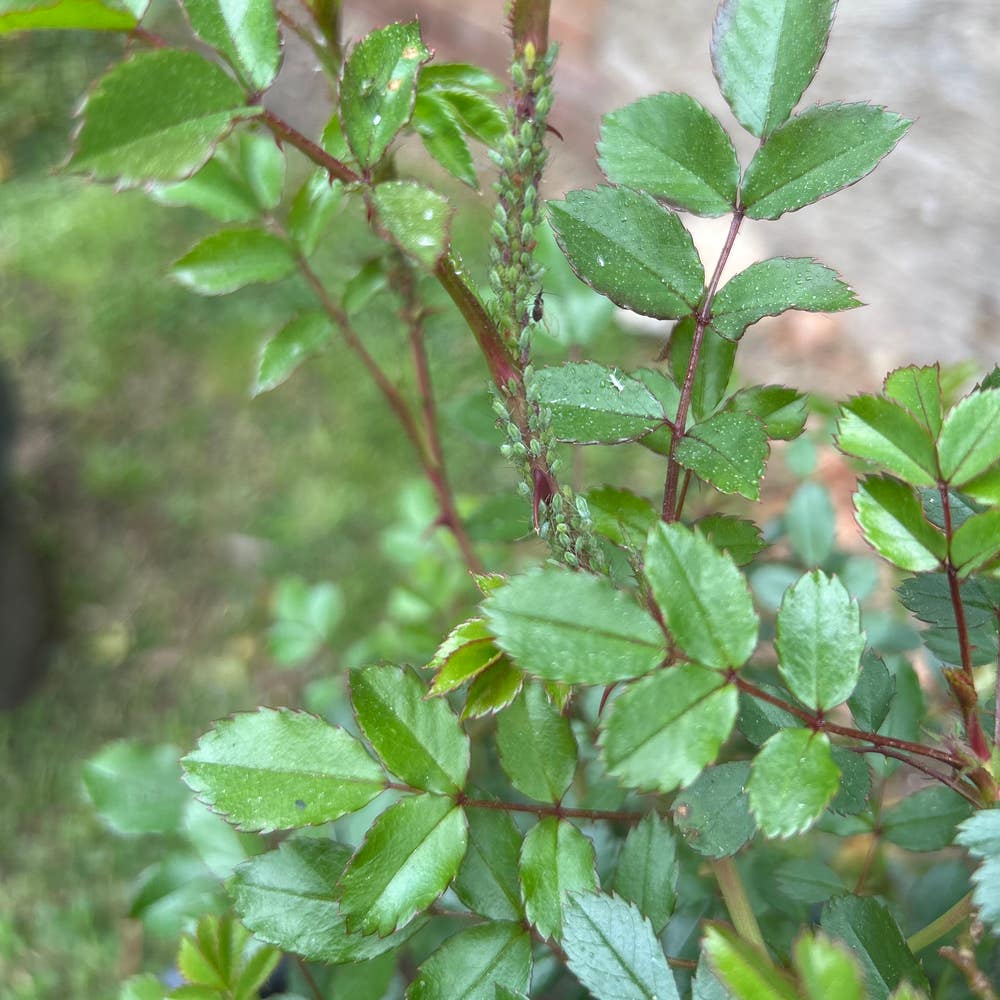
Aphids: Look for sticky residue on leaves and curled foliage. These small insects can quickly multiply and damage your roses if not addressed.
Treatment Options 💊
For spider mites, consider using a strong jet of water to dislodge them or apply insecticidal soap. Regularly checking your plants can help catch infestations early.
Aphids can be treated with neem oil or insecticidal soap as well. Both organic and chemical control methods are effective, so choose what fits your gardening style best.
By staying vigilant and proactive, you can keep your double rose bushes thriving and beautiful. Next, let’s explore what animals might be munching on your roses and how to deter them.
What Eats
🦌 Common Animals
Double rose bushes can attract a variety of hungry critters. The most common culprits include deer, rabbits, squirrels, and rodents, all of which may find your beautiful blooms irresistible.
🔍 Signs of Damage
Keep an eye out for telltale signs of these garden invaders. Look for browsing on leaves and stems, as well as signs of digging around the base of your plants.
🚧 Deterrent Methods
To protect your double rose bushes, consider using a combination of deterrent methods. Chemical repellents can help, but physical barriers like fencing are often the most effective way to keep these animals at bay.
By being proactive, you can enjoy the beauty of your roses without the worry of them becoming a snack for local wildlife.
⚠️ Safety First
This content is for general information and may contain errors, omissions, or outdated details. It is not medical, veterinary advice, or an endorsement of therapeutic claims.
Always consult a qualified healthcare professional before using any plant as food, medicine, or supplement.
Never eat any plant (or feed one to pets) without confirming its identity with at least two trusted sources.
If you suspect poisoning, call Poison Control (800) 222-1222, the Pet Poison Helpline (800) 213-6680, or your local emergency service immediately.
Spotted an error? Please report it here.
Cultivating a blooming double rose bush 🌹 is easy with Greg's tailored watering alerts and expert care tips to help you flourish in your gardening journey!