Why Your Climbing Rose Leaves Are Dropping 🌹
Rosa spp.
By the Greg Editorial Team
Nov 25, 2024•7 min read
This article was created with the help of AI so we can cover more plants for you. May contain errors. See one? Report it here.
- 🌹 Leaf drop symptoms include yellowing, wilting, and falling leaves in climbing roses.
- 🌦️ Environmental factors like temperature and humidity critically affect climbing rose health.
- 🌱 Regular inspections for pests and diseases are essential to prevent leaf drop.
Diagnosing Leaf Drop
Identifying Symptoms 🌿
When your climbing rose leaves start dropping, it's crucial to recognize the visual cues. Look for yellowing, wilting, and leaves that are simply falling off; these are signs that something is amiss.
Timing also plays a role in diagnosing leaf drop. Pay attention to seasonal patterns; for instance, leaf drop may be more pronounced in late summer or early fall as the plant prepares for dormancy.
Assessing Environmental Conditions 🌡️
Next, assess the environmental conditions surrounding your climbing rose. Check the temperature and humidity levels, as extreme fluctuations can stress the plant.
Sunlight exposure and soil conditions are equally important. Ensure your rose is getting enough light and that the soil is well-draining to promote healthy growth.
Checking for Pests and Diseases 🐛
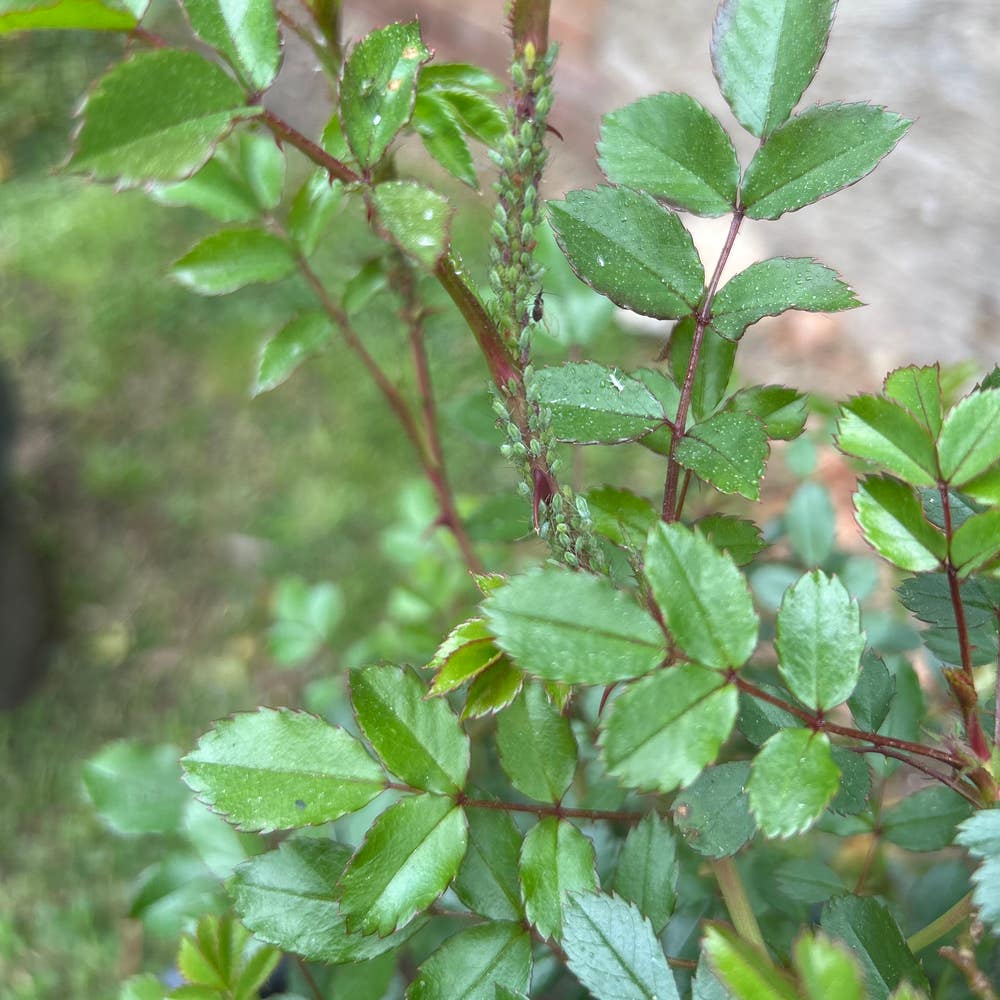
Regular inspections are essential for maintaining the health of your climbing rose. Look for signs of pests, such as holes in the leaves or sticky residue, and be vigilant for diseases that can cause leaf drop.
Early detection is key to preventing further damage. If you spot any issues, address them promptly to keep your climbing rose thriving.
With these diagnostic steps, you can better understand the reasons behind your climbing rose's leaf drop and take action to remedy the situation. Next, we’ll explore effective strategies for preventing leaf drop altogether.
Preventing Leaf Drop
💧 Proper Watering Techniques
Watering your climbing roses correctly is crucial for preventing leaf drop. Adjust your watering frequency based on the weather; during hot, dry spells, you may need to water more often.
To check soil moisture, use the finger test: insert your finger about an inch into the soil. If it feels dry, it’s time to water. Alternatively, a moisture meter can provide a more accurate reading.
🌱 Soil and Drainage Management
Well-draining soil is essential for healthy climbing roses. Aim for a mix that includes organic matter, such as compost, to enhance drainage and nutrient retention.
To improve drainage, consider using raised beds or adding perlite or sand to your soil mix. These techniques help prevent waterlogging, which can lead to root rot and leaf drop.
🌼 Fertilization Practices
Using the right fertilizers can significantly impact your roses' health. Look for balanced NPK ratios, such as 10-10-10, which provide essential nutrients without overwhelming the plants.
Timing is also key; fertilize in early spring as new growth begins and again in mid-summer to support ongoing development. This approach ensures your climbing roses have the nutrients they need when they need them most.
🐞 Pest and Disease Prevention
Implementing integrated pest management strategies is vital for keeping your climbing roses healthy. Regular monitoring for pests and encouraging natural predators can help maintain a balanced ecosystem in your garden.
Additionally, practice good sanitation by cleaning your gardening tools and removing debris around your roses. This simple step can prevent the spread of diseases that lead to leaf drop.
By following these preventive measures, you can create a thriving environment for your climbing roses, ensuring they remain vibrant and healthy throughout the growing season. Next, let’s explore effective treatments for leaf drop when it does occur.
Treating Leaf Drop
🐛 Treatment for Pests
Pests can wreak havoc on your climbing roses, leading to leaf drop. Start with organic pest control methods like neem oil and insecticidal soap, which are effective and safe for the environment.
If the infestation is severe, consider chemical options. Use pesticides as a last resort, following application guidelines carefully to minimize harm to beneficial insects.
🍄 Fungal Disease Treatments
Fungal diseases such as black spot and powdery mildew can also cause leaf drop. Organic fungicides are available and can help manage these issues effectively.
In addition to treatments, cultural practices play a crucial role. Improving air circulation and ensuring adequate sunlight exposure can significantly reduce the likelihood of fungal infections.
🌱 Nutrient Supplementation
Nutrient deficiencies can contribute to leaf drop, so consider supplementation. Nitrogen and iron sources are particularly beneficial for climbing roses.
You can apply these nutrients through foliar sprays or soil amendments. Each method has its advantages, so choose based on your specific needs and preferences.
✂️ Adjusting Care Practices
Regular pruning is essential for promoting healthy growth in climbing roses. It helps remove dead or diseased wood and encourages new growth, which can improve overall plant health.
Seasonal adjustments are also important. Tailor your care practices to the changing seasons to ensure your roses thrive year-round.
With these treatment strategies, you can effectively combat leaf drop and keep your climbing roses healthy. Next, let’s explore seasonal considerations to further enhance your rose care routine.
Seasonal Considerations
🌸 Spring Care for Climbing Roses
Spring is a crucial time for climbing roses, and proper care can set the stage for a vibrant growing season. Start with pruning; aim to do this in early spring before new growth begins.
Use clean, sharp tools to remove dead or damaged wood, promoting healthy growth. This not only shapes the plant but also encourages airflow, reducing disease risks.
Next, focus on fertilization. Early spring is the ideal time to feed your climbing roses with a balanced fertilizer. Look for a product with an NPK ratio suited for roses to ensure they receive essential nutrients.
☀️ Summer Maintenance
As temperatures rise, your climbing roses will need more attention. Increase your watering frequency during the hot months to keep the soil consistently moist but not soggy.
Regularly monitor for pests, as warmer weather can lead to infestations. Check the undersides of leaves and around the base of the plant for any signs of trouble.
🍂 Fall Preparations
As summer fades, it's time to prepare your climbing roses for winter. Conduct a final pruning to remove any dead or diseased wood, which helps the plant conserve energy.
Fertilize one last time to give your roses the nutrients they need to survive the colder months. This will help them bounce back stronger in spring.
Don’t forget about mulching! Apply a layer of mulch around the base to protect the roots from frost and maintain soil moisture.
❄️ Winter Protection
Winter can be harsh, but with the right precautions, your climbing roses can thrive. Insulate them using burlap or mulch to shield them from freezing temperatures.
Location matters too. Choose sheltered spots for your climbing roses, ideally where they can avoid harsh winds and extreme cold. This simple step can make a significant difference in their winter survival.
With these seasonal considerations in mind, your climbing roses will be well-equipped to flourish throughout the year. Next, let’s explore some common misconceptions about rose leaf drop and care practices.
Common Misconceptions
🌹 Myths about Rose Leaf Drop
Many gardeners mistakenly attribute leaf drop solely to pests. While pests can certainly play a role, environmental factors like temperature fluctuations and humidity levels are often the culprits behind this issue.
Another common misunderstanding is that overwatering is the only cause of leaf health problems. In reality, both underwatering and poor soil drainage can lead to yellowing and dropping leaves, making it crucial to assess your watering practices carefully.
🪴 Clarifying Care Practices
Proper pruning is essential for maintaining healthy climbing roses. It not only encourages new growth but also helps improve air circulation, reducing the risk of diseases that can lead to leaf drop.
Additionally, there's a myth that frequent fertilization is always beneficial. In truth, over-fertilizing can harm your roses, so it's vital to follow a balanced fertilization schedule tailored to your plants' needs.
⚠️ Safety First
This content is for general information and may contain errors, omissions, or outdated details. It is not medical, veterinary advice, or an endorsement of therapeutic claims.
Always consult a qualified healthcare professional before using any plant as food, medicine, or supplement.
Never eat any plant (or feed one to pets) without confirming its identity with at least two trusted sources.
If you suspect poisoning, call Poison Control (800) 222-1222, the Pet Poison Helpline (800) 213-6680, or your local emergency service immediately.
Spotted an error? Please report it here.
Keep your climbing roses thriving 🌹 by using Greg's tailored care reminders to monitor watering, pests, and seasonal changes for vibrant blooms all year round!