🌹 Companion Planting 101: What to Plant with Climbing Rose
Rosa spp.
By the Greg Editorial Team
Nov 25, 2024•6 min read
This article was created with the help of AI so we can cover more plants for you. May contain errors. See one? Report it here.
- 🌹 Companion planting boosts growth and blooms for climbing roses, enhancing garden beauty.
- 🐞 Choosing the right companions helps roses resist pests and diseases effectively.
- 🌼 Plants like lavender and marigolds attract pollinators while deterring harmful pests.
Benefits of Companion Planting for Climbing Rose
🌱 Enhanced Growth and Resilience
Companion planting is a game-changer for climbing roses. By pairing them with supportive plants, you can significantly boost their growth and blooming potential.
Increased biodiversity is another fantastic perk. A diverse garden ecosystem not only enhances the health of your climbing roses but also creates a vibrant environment for beneficial insects and pollinators.
🤝 Improved Plant Relationships
When you choose the right companions, you foster beneficial relationships that can lead to stronger, more resilient plants. These supportive pairings can help your climbing roses withstand pests and diseases more effectively.
Moreover, the right companions can improve soil health and moisture retention, which are crucial for thriving roses. By nurturing these relationships, you create a flourishing garden that benefits all its inhabitants.
🌍 A Healthier Garden Ecosystem
Companion planting encourages a balanced ecosystem. This means fewer pests and diseases, leading to less reliance on chemical treatments.
As you cultivate a diverse range of plants, you’ll notice an increase in beneficial insects, which can help pollinate your climbing roses and keep harmful pests at bay. Embracing this natural approach not only enhances the beauty of your garden but also promotes sustainability.
In summary, companion planting offers a wealth of benefits for climbing roses, from improved growth to a healthier ecosystem. As you explore the best companion plants, you'll be well on your way to creating a thriving garden.
Next, let’s dive into the best companion plants that will complement your climbing roses beautifully.
Best Companion Plants
Compatible Flowering Plants 🌸
Lavender
Lavender is a fantastic companion for climbing roses. It attracts pollinators like bees and butterflies while repelling pests, creating a win-win for your garden.
Care Needs
Both lavender and climbing roses thrive in similar sun and soil conditions, making them easy to grow together.
Marigolds
Marigolds are another excellent choice. These vibrant flowers act as natural pest deterrents, particularly against nematodes, ensuring your roses stay healthy.
Visual Appeal
Their bright colors beautifully complement the delicate blooms of climbing roses, adding a cheerful touch to your garden.
Beneficial Herbs 🌿
Basil
Basil is not just for your kitchen; it’s a great companion for climbing roses too. It repels aphids and can even enhance the flavor of nearby vegetables.
Care Needs
Like roses, basil enjoys similar growing conditions, making it a perfect match for your garden.
Chives
Chives offer dual benefits as well. They deter pests while attracting pollinators, ensuring a lively garden ecosystem.
Visual Appeal
With their unique texture and color, chives add an interesting contrast to the lush greenery of climbing roses.
Perennial Companions 🌼
Catmint
Catmint is a perennial favorite that attracts beneficial insects. It also provides excellent ground cover, helping to retain soil moisture.
Care Needs
This drought-tolerant plant thrives in conditions similar to those preferred by climbing roses, making it an easy addition.
Salvia
Salvia is another perennial that brings vibrant color to your garden. It attracts pollinators and stands tall, complementing the vertical growth of climbing roses.
Ground Cover Plants 🌱
Creeping Thyme
Creeping thyme is a superb ground cover that enhances soil moisture retention. It also suppresses weeds, allowing your climbing roses to flourish.
Visual Appeal
This plant forms a lush carpet under your climbing roses, creating a beautiful and functional garden floor.
Incorporating these companion plants not only enhances the beauty of your climbing roses but also promotes a healthier garden ecosystem. Next, let’s explore how these plants can help with pest management, ensuring your roses thrive without unwanted visitors.
Pest Management
Pest-Repellent Plants 🌱
Garlic is a powerhouse in the garden. Its strong scent effectively deters aphids and other pests, making it an ideal companion for your Climbing Rose.
For optimal results, interplant garlic with your roses. This strategy maximizes its pest-repelling benefits while enhancing your garden's overall health.
Nasturtiums are another fantastic choice. These vibrant flowers not only attract aphids away from your roses but also serve as a trap crop, keeping your climbing beauties safe.
Their bright colors add a cheerful touch to your garden, making them both functional and visually appealing.
Deter Common Pests 🐞
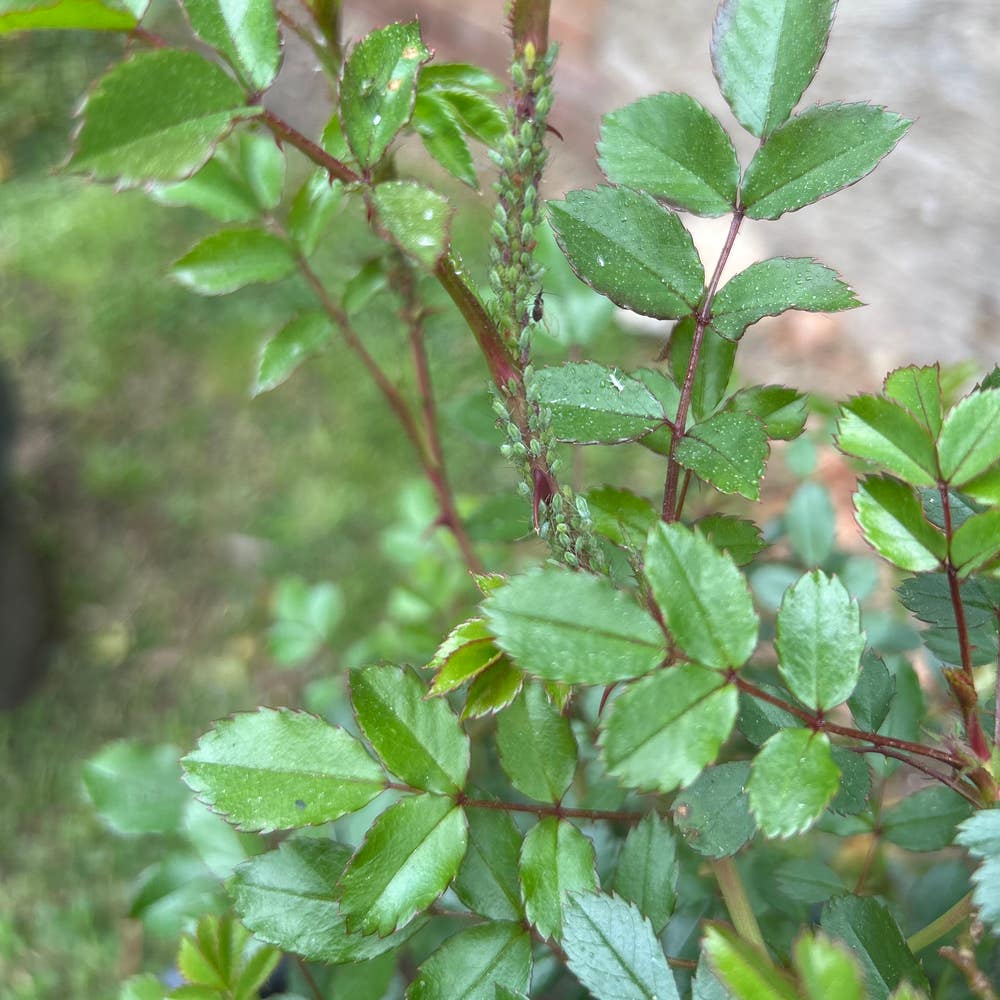
Common pests like aphids and spider mites can wreak havoc on your Climbing Rose. These tiny invaders suck the sap from your plants, leading to stunted growth and unsightly damage.
Companion plants play a crucial role in disrupting the life cycles of these pests. By attracting beneficial insects or repelling harmful ones, they help maintain a balanced ecosystem in your garden.
Incorporating pest-repellent plants not only protects your roses but also fosters a thriving garden environment. This proactive approach ensures your climbing roses remain healthy and vibrant.
As we explore more about enhancing your garden, let's dive into the visual appeal of companion planting.
Visual Appeal
Color Combinations 🎨
Understanding color theory can transform your garden into a vibrant masterpiece. Complementary colors, like the rich reds of climbing roses paired with the cool blues of lavender, create a striking visual contrast that draws the eye.
Consider contrasting colors to enhance the beauty of your climbing roses. For instance, pairing yellow marigolds with pink or white roses not only adds brightness but also creates a lively atmosphere in your garden.
Height and Structure 📏
Layering plants is essential for a visually appealing garden. By incorporating tall plants like salvia behind medium-height roses and low-growing ground covers like creeping thyme, you create depth and interest.
Aim for a balanced structure by mixing plant heights. This not only enhances aesthetics but also promotes healthy growth, allowing each plant to thrive in its designated space without overcrowding.
With these tips, your climbing rose garden will not only flourish but also become a stunning visual delight. Next, let’s explore how to manage pests effectively while maintaining this beauty.
Plants to Avoid
🚫 Detrimental Plants
When planning your garden around climbing roses, it's crucial to steer clear of certain detrimental plants. Weeds like bindweed and thistles can quickly become a nuisance, competing for resources and space.
Invasive species, such as mint and bamboo, may seem appealing but can wreak havoc on your garden. Their aggressive growth patterns can overshadow your roses, leading to a chaotic and unmanageable landscape.
🌹 Impact on Climbing Rose Health
The presence of these unwanted plants can significantly impact the health of your climbing roses. They compete for vital nutrients and water, which can stunt the growth and blooming potential of your beloved roses.
Moreover, these plants can harbor pests and diseases that threaten the well-being of your climbing roses. Keeping your garden free from these threats ensures a thriving, vibrant space for your roses to flourish.
By avoiding these detrimental plants, you can create a healthier environment for your climbing roses. This proactive approach not only supports their growth but also enhances the overall beauty of your garden.
Next, let's explore how to manage pests effectively with the right companion plants.
⚠️ Safety First
This content is for general information and may contain errors, omissions, or outdated details. It is not medical, veterinary advice, or an endorsement of therapeutic claims.
Always consult a qualified healthcare professional before using any plant as food, medicine, or supplement.
Never eat any plant (or feed one to pets) without confirming its identity with at least two trusted sources.
If you suspect poisoning, call Poison Control (800) 222-1222, the Pet Poison Helpline (800) 213-6680, or your local emergency service immediately.
Spotted an error? Please report it here.
Elevate your climbing roses to new heights 🌹 with Greg's tailored care reminders and tips for thriving companion plants that create a flourishing garden ecosystem!