3 Essential Steps to Grow Healthy Climbing Rose 🌹
Rosa spp.
By the Greg Editorial Team
Nov 25, 2024•7 min read
This article was created with the help of AI so we can cover more plants for you. May contain errors. See one? Report it here.
- 🌞 Climbing roses need 6+ hours of sunlight daily for optimal growth and blooms.
- 🌱 Space roses 2-3 feet apart for air circulation and disease prevention.
- 🌿 Use sturdy supports like trellises to help climbing roses thrive effectively.
Choosing the Right Location
🌞 Sunlight Requirements
Climbing roses thrive in full sun, requiring a minimum of 6 hours of direct sunlight each day. This exposure is crucial as it promotes healthy growth and leads to abundant flowering.
🌳 Space Considerations
When planting climbing roses, space them 2-3 feet apart to ensure optimal air circulation. Additionally, support structures like trellises, fences, or walls must be sturdy and well-anchored to support their growth.
🌦️ Climate Preferences
Climbing roses flourish best in temperate regions with moderate rainfall. In extreme climates, it's essential to provide protection from harsh winds and excessive heat to keep your roses healthy and vibrant.
By carefully selecting the right location, you set the stage for your climbing roses to thrive. Next, let’s dive into the essential soil preparation and amendments needed for optimal growth.
Soil Preparation and Amendments
🌱 Soil Type and Drainage
To grow healthy climbing roses, start with well-drained, loamy soil that boasts good fertility. This type of soil not only supports robust growth but also prevents root rot, ensuring your roses develop strong, healthy roots.
⚖️ Soil pH and Nutrient Levels
Aim for a soil pH between 6.0 and 6.8 for optimal growth. To enhance fertility and structure, consider adding organic matter like compost or well-rotted manure, which enriches the soil and provides essential nutrients.
🧪 Testing Soil Quality
Before planting, assess your soil's pH and nutrient levels using soil testing kits. If adjustments are necessary, use lime to raise pH, sulfur to lower it, and fertilizers to address any nutrient deficiencies, setting your climbing roses up for success.
With the right soil preparation in place, you're well on your way to cultivating vibrant climbing roses. Next, let’s explore the best planting techniques to ensure your roses thrive.
Planting Techniques
Timing for Planting 🌱
The best time to plant climbing roses is during early spring or fall. These seasons offer moderate temperatures, allowing the plants to establish roots before the heat of summer or the chill of winter sets in.
Step-by-Step Planting Guide 🌼
Digging the hole: Start by digging a hole that is twice the width and the same depth as the root ball. This gives the roots plenty of room to spread out.
Preparing the root ball: Soak the root ball in water for several hours before planting. This ensures that the roots are hydrated and ready to grow.
Positioning the plant: Place the rose in the hole at the same depth it was in the pot. This is crucial for its health and growth.
Backfilling: Use a mix of native soil and compost to backfill the hole, gently firming the soil around the roots. This helps eliminate air pockets and provides nutrients.
Watering: Thoroughly water the newly planted rose to settle the soil. This step is vital for establishing a strong foundation.
Container Growing Considerations 🪴
If you're opting for container growing, choose a pot that is at least 18 inches deep and wide. This size allows for adequate root development.
Ensure your container has drainage holes to prevent waterlogging. Proper drainage is essential for keeping your climbing rose healthy and thriving.
With these planting techniques in mind, you’re well on your way to nurturing a beautiful climbing rose. Next, let’s explore how to effectively water and fertilize your new plant for optimal growth.
Watering and Fertilizing
🌊 Watering Schedule and Techniques
Proper watering is crucial for the health of your climbing roses. Aim to water once a week, increasing frequency during hot, dry spells to keep the plants hydrated.
For effective watering, use the deep watering method. This involves directing water at the base of the plant, encouraging deep root growth and ensuring the roots absorb moisture efficiently.
🌱 Best Fertilizers
Choosing the right fertilizer can make a significant difference in your roses' growth. Opt for balanced NPK fertilizers, such as 10-10-10 or 14-14-14, to provide essential nutrients.
Apply fertilizer in early spring and again after the first bloom to support ongoing growth and flowering. This timing helps ensure your climbing roses have the nutrients they need when they need them most.
⏰ Timing for Fertilization
Fertilization begins at planting time, setting the stage for healthy development. After that, continue with monthly applications during the growing season to maintain nutrient levels.
Regular fertilization not only promotes vibrant blooms but also strengthens the plant, making it more resilient against pests and diseases. With the right care, your climbing roses will thrive and bring beauty to your garden.
As you nurture your climbing roses with proper watering and fertilizing techniques, you'll be well-prepared to tackle the next essential step: pruning and maintenance.
Pruning and Maintenance
Importance of Pruning 🌹
Pruning is essential for climbing roses as it encourages new growth, improves air circulation, and enhances flowering. Regular pruning helps maintain the plant's shape and vitality, ensuring a stunning display year after year.
Step-by-Step Guide to Pruning ✂️
1. Timing ⏰
The best time to prune climbing roses is late winter or early spring, just before new growth begins. This timing allows you to shape the plant while minimizing stress.
2. Tools Needed 🛠️
Gather your tools: sharp pruning shears and gloves are a must. Having the right equipment ensures clean cuts and protects your hands.
3. Removing Dead or Damaged Wood 🪵
Start by cutting back any dead or damaged wood to healthy tissue. This step is crucial for preventing disease and encouraging robust growth.
4. Shaping the Plant 🌳
Next, thin out crowded areas and train canes to support structures. This not only improves air circulation but also allows sunlight to reach more parts of the plant.
5. Final Touches 🎨
Finally, cut back lateral branches to encourage blooming. This practice stimulates the production of flowers, giving you a vibrant display.
Pruning your climbing roses may seem daunting, but with practice, it becomes a rewarding task. As you nurture your plants, you'll see the benefits of your efforts in their lush growth and beautiful blooms.
Now that you understand the importance of pruning and how to do it effectively, let’s explore common challenges you might face and how to tackle them.
Common Challenges and Solutions
🌱 Identifying and Treating Common Diseases
Climbing roses can face a few common diseases that may hinder their growth.
Common Diseases
- Powdery mildew: This disease appears as white powdery spots on leaves, often thriving in humid conditions.
- Black spot: Characterized by dark spots with fringed edges on leaves, this fungal infection can lead to defoliation if not managed.
Treatment Methods
To combat these diseases, consider using fungicides.
- Fungicides: Both organic and chemical options are available; apply as needed to control outbreaks.
- Cultural practices: Improve air circulation around your plants and avoid overhead watering to minimize humidity, which encourages disease.
🐛 Pest Management
Pests can also pose a threat to the health of your climbing roses.
Common Pests
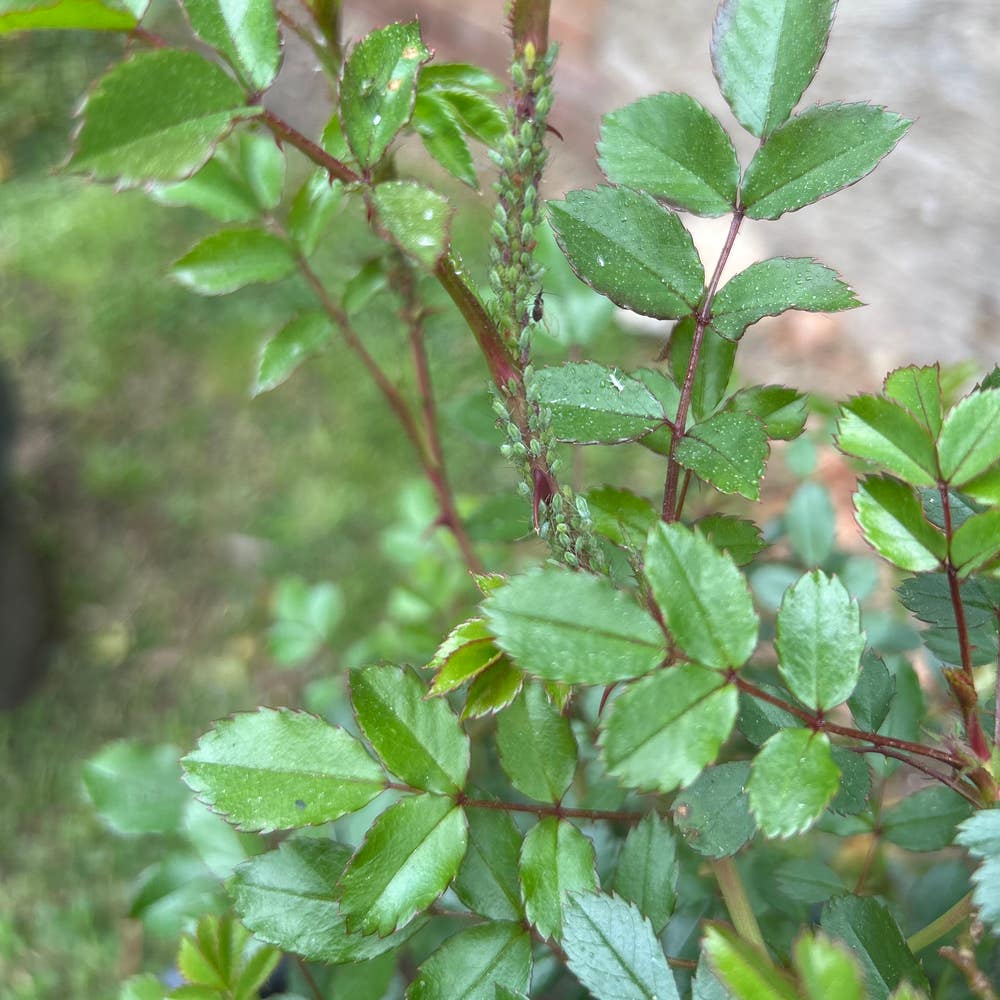
- Aphids: These small green or black insects often cluster on new growth, sucking sap and weakening the plant.
- Spider mites: Look for fine webbing on leaves; these pests thrive in dry conditions and can cause significant damage.
Control Methods
Managing pests effectively is crucial for maintaining healthy roses.
- Insecticidal soap: Apply this to affected areas to eliminate pests without harming beneficial insects.
- Natural predators: Introduce ladybugs or lacewings to your garden; they feast on aphids and help keep pest populations in check.
🧐 Troubleshooting Growth Issues
Sometimes, your climbing roses may show signs of distress that require attention.
- Yellowing leaves: This can indicate overwatering or a nutrient deficiency, so check your watering habits and consider soil amendments.
- Poor flowering: If your roses aren’t blooming well, it might be due to insufficient sunlight or a lack of pruning.
By addressing these challenges proactively, you can ensure your climbing roses thrive and produce beautiful blooms.
Next, let’s explore the importance of pruning and maintenance to keep your roses in top shape.
⚠️ Safety First
This content is for general information and may contain errors, omissions, or outdated details. It is not medical, veterinary advice, or an endorsement of therapeutic claims.
Always consult a qualified healthcare professional before using any plant as food, medicine, or supplement.
Never eat any plant (or feed one to pets) without confirming its identity with at least two trusted sources.
If you suspect poisoning, call Poison Control (800) 222-1222, the Pet Poison Helpline (800) 213-6680, or your local emergency service immediately.
Spotted an error? Please report it here.
Cultivate stunning climbing roses 🌹 with Greg's tailored watering and fertilization reminders to help you navigate their care and achieve vibrant blooms!