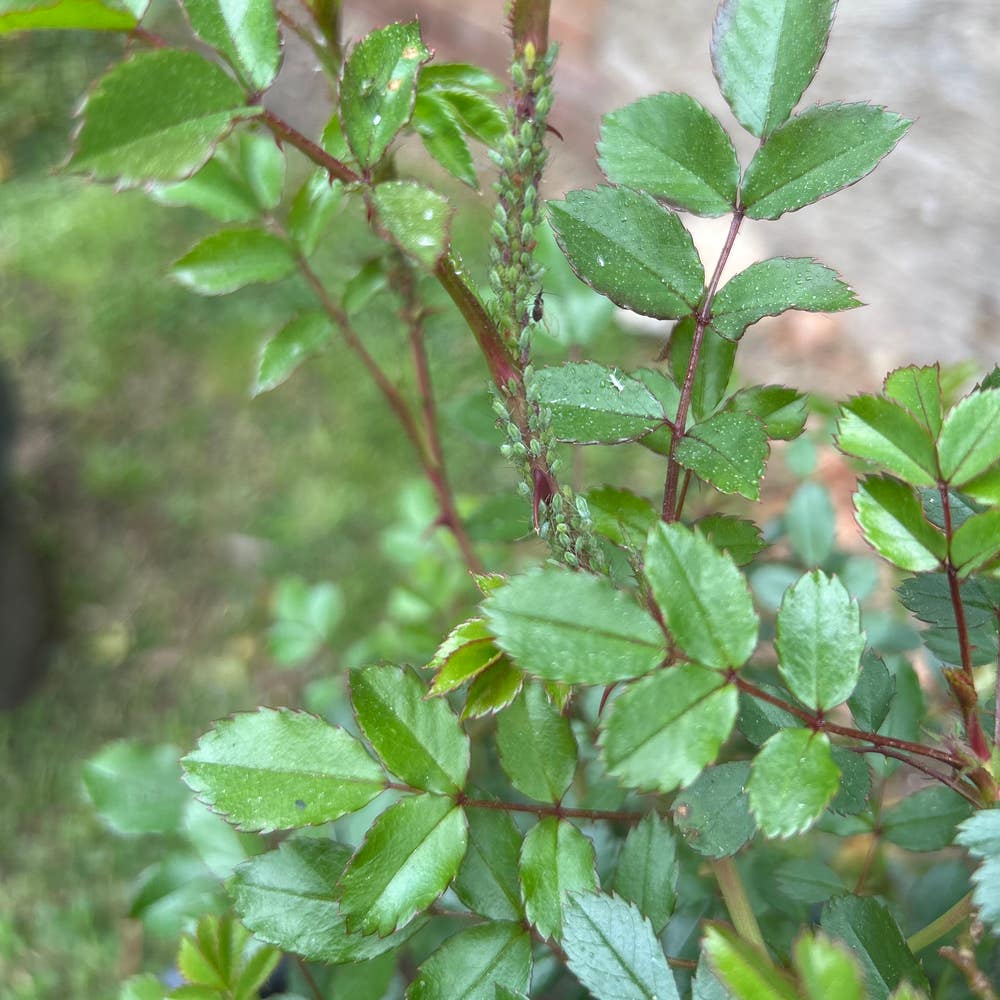
Frost-Hardy Climbing Rose Zones 3a-11b 🌹
Rosa spp.
By the Greg Editorial Team
Nov 25, 2024•5 min read
This article was created with the help of AI so we can cover more plants for you. May contain errors. See one? Report it here.
- 🌹❄️ Frost-hardy climbing roses survive temperatures as low as -40°F (-40°C) in zones 3a-7b.
- ☀️🌡️ Heat-tolerant varieties thrive up to 100°F (38°C), suitable for zones 8a-11b.
- 🌱🌍 Well-draining soil and full sun are essential for healthy climbing rose growth.
Climbing Rose Temperature Tolerance
❄️ Cold Tolerance
Climbing roses are remarkably resilient, with some varieties capable of surviving temperatures as low as -40°F (-40°C) in zone 3a. This cold tolerance makes them ideal for gardeners in harsher climates, allowing for beautiful blooms even in the depths of winter.
Certain cultivars, such as the 'John Cabot' and 'William Baffin,' are well-known for their frost-hardiness. These varieties not only withstand extreme cold but also produce vibrant flowers, ensuring your garden remains colorful despite the chill.
☀️ Heat Tolerance
On the flip side, climbing roses also exhibit impressive heat tolerance, thriving in temperatures up to 100°F (38°C) in warmer zones. This adaptability allows them to flourish in various climates, from the sweltering summers of the South to milder regions.
However, prolonged heat can impact their blooming cycles and overall health. Excessive temperatures may lead to reduced flowering and stress on the plant, so it's crucial to monitor their conditions during hot spells.
🌡️ Specific Temperature Ranges
Understanding the specific temperature ranges for climbing roses is essential for successful gardening.
- Cold Tolerance: These roses can endure temperatures from -40°F to 30°F (-40°C to -1°C), making them suitable for zones 3a to 7b.
- Heat Tolerance: In warmer zones, they thrive in temperatures ranging from 30°F to 100°F (-1°C to 38°C), covering zones 8a to 11b.
By knowing these ranges, you can better select the right climbing rose varieties for your garden, ensuring they flourish in your specific climate.
As we explore the ideal regions for growing climbing roses, understanding their temperature tolerance will guide your choices and enhance your gardening success.
Ideal Regions for Growing Climbing Rose
🌟 Examples of US States Suitable for Climbing Rose
When it comes to growing climbing roses, certain states shine brighter than others.
- Northern States: Minnesota and North Dakota thrive in zones 3a-4b, where cold-hardy varieties can flourish.
- Central States: Illinois and Missouri fall within zones 5a-6b, offering a balanced climate for robust growth.
- Southern States: Texas and Florida, nestled in zones 8a-11b, provide the warmth these roses love.
🌱 Factors Contributing to Ideal Growing Conditions
To cultivate climbing roses successfully, several key factors come into play.
Soil Quality
Well-draining, nutrient-rich soil is essential. This ensures that the roots can access the nutrients they need without sitting in water.
Sunlight Exposure
Climbing roses crave sunlight. Aim for full sun exposure, ideally 6-8 hours daily, to promote healthy growth and vibrant blooms.
Moisture Levels
Consistent watering is crucial, but be cautious of waterlogging. Striking the right balance keeps your climbing roses hydrated without drowning them.
Understanding these ideal regions and conditions will set you on the path to a flourishing climbing rose garden. Next, let's explore how microclimates can further enhance your gardening success.
Microclimates and Their Impact
🌱 How Microclimates Can Extend Growing Zones
Microclimates are localized areas where the climate differs from the surrounding region. They can create opportunities for growing Climbing Roses in areas that might otherwise be too harsh, allowing these beautiful plants to thrive outside their typical hardiness zones.
Urban environments often create heat islands, where buildings and pavement absorb and retain heat. This can lead to warmer temperatures that support the growth of plants typically suited for warmer zones.
🌊 Examples of Microclimates Affecting Growth
Coastal regions are prime examples of microclimates that can benefit Climbing Roses. The ocean moderates temperatures, resulting in milder winters that can help these roses survive and flourish.
Additionally, urban areas with heat islands can support plants that usually require a warmer climate. The combination of heat retention and reflective surfaces can create a nurturing environment for frost-hardy climbing roses, enabling them to bloom beautifully even in less-than-ideal conditions.
Understanding these microclimates can empower gardeners to make informed decisions about where to plant their roses, maximizing their chances of success.
Hardiness Zone Suitability
🌍 List of US States in Suitable Hardiness Zones (3a-11b)
When it comes to growing climbing roses, understanding the hardiness zones is crucial. States like Maine, New York, California, Texas, and Florida fall within the suitable zones of 3a to 11b, making them ideal for cultivating these beautiful plants.
These states offer a range of climates that support the growth of climbing roses. For instance, Maine and New York experience cold winters but have summers that allow for robust growth. Meanwhile, California and Florida provide warmer temperatures, perfect for varieties that thrive in heat.
🚫 List of US States Not Suitable and Reasons Why
On the flip side, some states are not conducive to growing climbing roses. Alaska, for the most part, and specific regions of Hawaii fall outside the suitable range.
Extreme temperatures in these areas can hinder growth. In Alaska, the harsh winters and short growing seasons pose significant challenges, while Hawaii's tropical climate may not provide the necessary conditions for certain cold-hardy varieties.
📊 Discussion on the Implications of Hardiness Zones for Gardeners
Understanding hardiness zones is essential for successful gardening. It helps gardeners select the right climbing rose varieties tailored to their specific regions.
Moreover, knowing your hardiness zone aids in planning planting schedules. By being aware of first and last frost dates, you can ensure your climbing roses thrive and bloom beautifully throughout the growing season.
As you embark on your gardening journey, remember that choosing the right plants for your zone can make all the difference in your success.
⚠️ Safety First
This content is for general information and may contain errors, omissions, or outdated details. It is not medical, veterinary advice, or an endorsement of therapeutic claims.
Always consult a qualified healthcare professional before using any plant as food, medicine, or supplement.
Never eat any plant (or feed one to pets) without confirming its identity with at least two trusted sources.
If you suspect poisoning, call Poison Control (800) 222-1222, the Pet Poison Helpline (800) 213-6680, or your local emergency service immediately.
Spotted an error? Please report it here.
Transform your garden with frost-hardy climbing roses 🌹 that thrive in extreme temperatures, and let Greg provide tailored care tips to help your blooms flourish all year round!