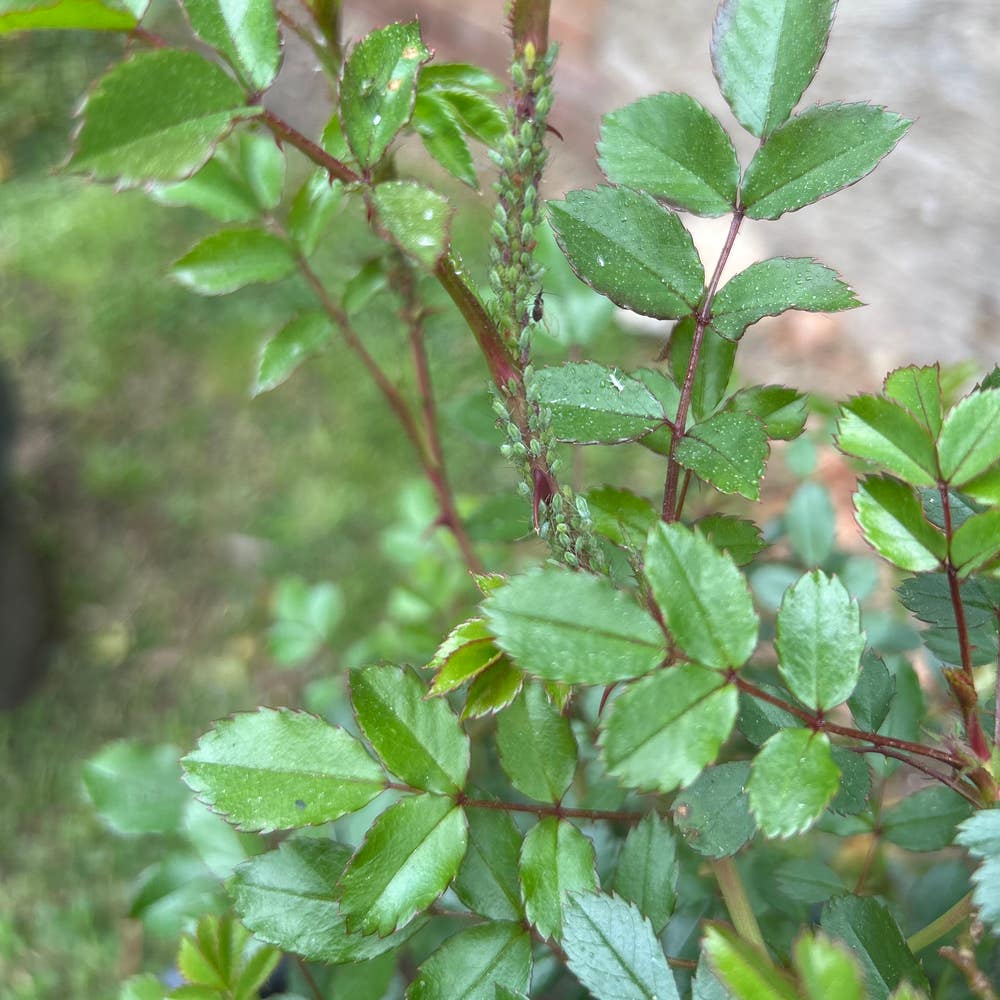
Climbing Rose is Not an Invasive Plant 🌹
Rosa spp.
By the Greg Editorial Team
Nov 25, 2024•5 min read
This article was created with the help of AI so we can cover more plants for you. May contain errors. See one? Report it here.
- 🌹 Climbing Roses are non-invasive, supporting local ecosystems without threat.
- 🌼 They attract pollinators like bees and butterflies, boosting garden biodiversity.
- 🌞 Optimal growth requires full sun and support structures like trellises.
Plant Classification
Definition of Invasive Species 🌱
Invasive species are plants that exhibit aggressive growth, outcompete native flora, and thrive without natural predators. These characteristics allow them to disrupt local ecosystems, often leading to a decline in biodiversity.
Climbing Roses, however, do not fit this mold. They grow in a more controlled manner and do not pose a threat to local ecosystems. Instead of overwhelming their surroundings, they complement them, adding beauty without the risk of invasion.
Understanding the distinction between invasive and non-invasive plants is crucial for gardeners. By choosing non-invasive options like Climbing Roses, you can enhance your garden while supporting local wildlife and maintaining ecological balance.
As we explore their growth habits next, you'll see how Climbing Roses thrive in a way that respects their environment.
Growth Habits
🌱 Typical Growth Patterns
Climbing Roses are impressive plants that can reach heights of 8-15 feet, depending on the specific variety. They typically bloom from late spring to fall, with their peak flowering occurring in the summer months.
Their growth rate is moderate, averaging 1-2 feet annually under optimal conditions. This makes them a manageable choice for gardeners looking to add vertical interest without overwhelming their space.
🏗️ Natural Limits to Growth
One key aspect of Climbing Roses is that they require support to thrive. These plants need trellises, fences, or other structures to grow effectively, which helps them reach their full potential.
Additionally, Climbing Roses thrive in well-drained soil and full sun. Poor growing conditions can significantly limit their growth, so it's essential to provide the right environment for these beautiful plants to flourish.
Incorporating Climbing Roses into your garden not only enhances its aesthetic appeal but also supports local ecosystems. As we explore their ecological role next, you'll see how these roses contribute positively to biodiversity.
Ecological Role
Benefits in Gardens 🌼
Climbing Roses are more than just beautiful; they play a vital role in attracting pollinators. Their vibrant flowers draw in bees and butterflies, which enhances biodiversity in your garden.
Additionally, these roses provide essential habitat. They offer shelter for beneficial insects and small wildlife, creating a thriving ecosystem right in your backyard.
Positive Interactions 🐝
By supporting local ecosystems, Climbing Roses contribute significantly to food sources for pollinators and other wildlife. This interaction fosters a balanced environment, ensuring that both plants and animals can flourish together.
Incorporating Climbing Roses into your garden not only beautifies your space but also promotes ecological health. As you nurture these plants, you're also nurturing the life around them, creating a harmonious garden ecosystem.
Garden Management
Incorporating into Designs 🌹
Climbing Roses are perfect for adding vertical elements to your garden. They can be integrated with other plants to create stunning visual interest.
For optimal growth and air circulation, it's recommended to space your Climbing Roses 3-4 feet apart. This allows them to thrive without competing for resources.
Maintenance Tips 💧
Regular watering is essential, especially during dry spells. However, be cautious to avoid waterlogging, as it can harm the roots.
In addition to watering, using a balanced fertilizer in early spring and mid-summer will promote healthy growth. This simple step can make a significant difference in the vibrancy of your roses.
With proper management, Climbing Roses can flourish beautifully in your garden. Next, let’s explore how these lovely plants compare to other non-invasive options.
Comparison to Other Plants
🌿 Similar Non-Invasive Plants
When considering alternatives to Climbing Roses, several non-invasive options stand out. Clematis, Honeysuckle, and Wisteria are excellent choices that offer similar aesthetic appeal without the invasive risks.
Clematis is known for its stunning flowers and can climb up to 20 feet, making it a versatile option for vertical gardening. Honeysuckle, with its fragrant blooms, attracts pollinators and can reach heights of 10-15 feet. Wisteria, while a bit more aggressive, can still be managed effectively and provides beautiful cascading flowers.
🌸 Unique Qualities
Climbing Roses bring unique qualities that set them apart from other climbing plants. Varieties like 'New Dawn', 'Eden', and 'Climbing Iceberg' are celebrated for their vibrant colors and delightful fragrances.
These roses not only enhance the visual appeal of gardens but also thrive for many years with proper care. Their longevity and resilience make them a worthwhile investment for any garden enthusiast looking to create a lasting floral display.
As you explore these options, consider how each plant can contribute to your garden's overall health and beauty. Transitioning to the next section, let's delve into the legal and environmental considerations surrounding the planting of non-invasive species.
Legal and Environmental Considerations
🌱 Relevant Classifications
When planning your garden, it's essential to be aware of local regulations regarding non-invasive species. Many regions have guidelines that encourage the planting of native or non-invasive plants to protect local ecosystems.
Selecting non-invasive plants like Climbing Roses not only complies with these regulations but also promotes ecological health. By choosing the right plants, you can help maintain biodiversity and support the natural environment.
📏 Guidelines for Planting
To successfully plant Climbing Roses, start with proper soil preparation. Ensure the soil is well-drained and enriched with organic matter to provide the best foundation for growth.
Spacing is crucial; plant your Climbing Roses 3-4 feet apart to allow for adequate air circulation and room to thrive. Additionally, provide sturdy support structures like trellises or fences, as these roses need something to climb on for optimal growth.
Remember, fostering biodiversity is key in sustainable gardening practices. By choosing non-invasive plants, you contribute positively to your garden's ecosystem and the environment at large.
As you consider your garden design, keep these guidelines in mind to create a thriving, beautiful space that benefits both you and the local wildlife.
⚠️ Safety First
This content is for general information and may contain errors, omissions, or outdated details. It is not medical, veterinary advice, or an endorsement of therapeutic claims.
Always consult a qualified healthcare professional before using any plant as food, medicine, or supplement.
Never eat any plant (or feed one to pets) without confirming its identity with at least two trusted sources.
If you suspect poisoning, call Poison Control (800) 222-1222, the Pet Poison Helpline (800) 213-6680, or your local emergency service immediately.
Spotted an error? Please report it here.
Elevate your garden's beauty with vibrant Climbing Roses 🌹 while Greg helps you nail their care with tailored watering and fertilization reminders for thriving blooms!