☀️ Why Your Climbing Rose Leaves Are Turning Yellow
Rosa spp.
By the Greg Editorial Team
Nov 25, 2024•7 min read
This article was created with the help of AI so we can cover more plants for you. May contain errors. See one? Report it here.
- 🌱 Yellow leaves indicate issues like nutrient deficiencies, pests, or watering problems.
- 💧 Overwatering or underwatering can both cause yellowing; maintain a consistent watering schedule.
- 🌞 Ensure 6-8 hours of sunlight daily for healthy climbing roses and vibrant leaves.
Causes of Yellowing Leaves
🌱 Nutrient Deficiencies
Nitrogen Deficiency
Nitrogen deficiency is a common issue in climbing roses, often manifesting as pale green to yellow leaves, particularly on older foliage. Nitrogen is crucial for leaf growth and overall plant vigor, making it essential to address this deficiency promptly.
To remedy nitrogen deficiency, consider using a balanced fertilizer that contains nitrogen. This will help restore the lush green color of your climbing roses and promote healthy growth.
Iron Deficiency (Chlorosis)
Iron deficiency, or chlorosis, presents itself as yellowing between leaf veins while the veins themselves remain green. This condition often arises from high soil pH or poor drainage, which can hinder iron availability to the plant.
To combat iron deficiency, you can apply chelated iron or adjust the soil pH to improve iron uptake. These steps will help your climbing roses regain their vibrant green color.
💧 Watering Issues
Overwatering Symptoms
Overwatering can lead to yellowing leaves, wilting, and even root rot in climbing roses. This problem typically stems from poor drainage or excessive watering frequency.
To prevent overwatering, allow the soil to dry out between waterings and improve drainage. This will help maintain a healthy root system and vibrant foliage.
Underwatering Symptoms
Conversely, underwatering manifests as yellowing leaves, crispy edges, and drooping. This often occurs due to infrequent watering or drought conditions.
Establishing a consistent watering schedule is key to preventing underwatering. Ensure that you water deeply to encourage robust root growth.
🐛 Pest Infestations
Common Pests Affecting Climbing Roses
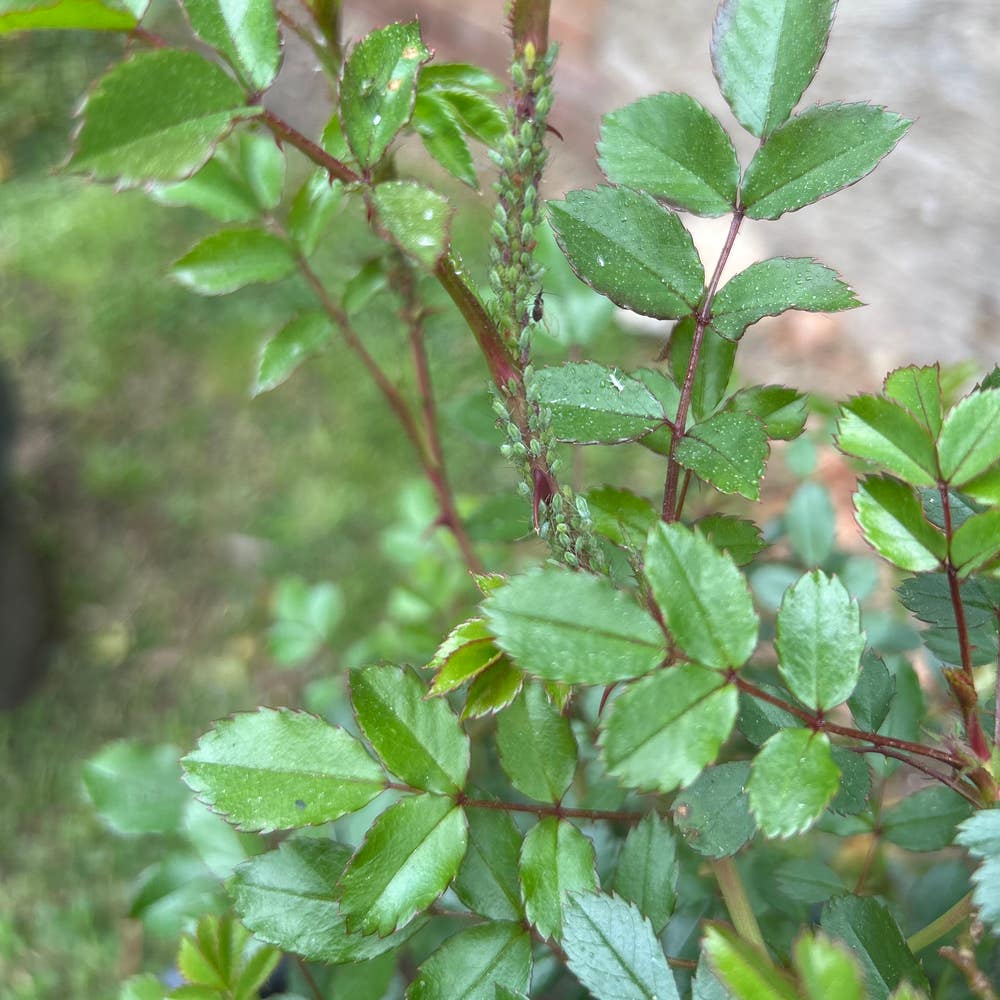
Aphids and spider mites are two common pests that can wreak havoc on climbing roses. Aphids are small, green insects that suck sap from leaves, while spider mites create stippling and webbing on the foliage.
Regularly inspecting your plants for these pests is crucial. If you notice any signs of infestation, consider applying organic or chemical pest control methods as needed.
Signs of Pest Damage
Yellowing leaves, distorted growth, and visible pests on the foliage are clear indicators of pest damage. Keeping a close eye on your climbing roses will help you catch these issues early.
🍄 Fungal Diseases
Common Fungal Diseases
Climbing roses can also fall victim to fungal diseases like powdery mildew and black spot. Powdery mildew appears as white, powdery spots on leaves, while black spot manifests as dark spots with yellow halos.
To manage these diseases, it's essential to use fungicides and practice good air circulation techniques. This will help keep your climbing roses healthy and thriving.
Symptoms and Identification
Symptoms of fungal diseases include yellowing leaves, premature leaf drop, and stunted growth. Identifying these signs early allows for timely intervention.
🌡️ Environmental Stress
Impact of Temperature Fluctuations
Temperature fluctuations can cause yellowing leaves during extreme heat or cold. Protecting your climbing roses from these temperature extremes is vital for their health.
Providing shade during heat waves and protection during cold snaps will help mitigate the impact of temperature stress.
Effects of Poor Sunlight Exposure
Weak growth and yellowing leaves can also result from poor sunlight exposure. Climbing roses thrive in full sun, requiring at least 6-8 hours of sunlight daily.
Ensuring your climbing roses receive adequate sunlight will promote strong growth and vibrant foliage.
As you address these causes of yellowing leaves, you’ll be better equipped to diagnose and treat your climbing roses effectively. Next, we’ll explore how to diagnose and treat these issues for optimal plant health.
Diagnosis and Treatment
🌱 Identifying the Cause
How to Assess Plant Health
To diagnose your climbing rose's yellowing leaves, start by checking soil moisture levels. If the soil feels overly wet, inspect the roots for signs of rot.
Next, examine the leaves closely for any signs of pests or diseases. Look for discoloration, spots, or unusual growth patterns that could indicate underlying issues.
Visual Signs to Look For
Pay attention to color changes in the leaves, as well as any leaf drop or stunted growth. Keeping a checklist can help you quickly identify potential problems and take action.
🧪 Treatment Options
Fertilization Methods for Nutrient Deficiencies
If nutrient deficiencies are suspected, consider the type of fertilizer you’re using. Granular, liquid, and slow-release options are all effective, but choose one that suits your rose's needs.
Apply fertilizer every 4-6 weeks during the growing season to ensure your climbing rose gets the nutrients it requires for healthy growth.
Adjusting Watering Practices
Establishing a consistent watering schedule is crucial. Adjust your watering frequency based on weather conditions to prevent both overwatering and underwatering.
Techniques for deep watering can encourage robust root growth, helping your climbing rose thrive even in challenging conditions.
Pest Control Methods
For pest infestations, start with organic options like neem oil or insecticidal soap. These methods are effective and less harmful to beneficial insects.
If the infestation is severe, consider using systemic insecticides to protect your climbing rose from further damage.
Fungal Disease Treatments
When dealing with fungal diseases, timing and application of fungicides are key. Apply them at the first sign of trouble to prevent further spread.
In addition to chemical treatments, improve air circulation around your plants and avoid overhead watering to create an environment less conducive to fungal growth.
🛡️ Preventative Measures
Best Practices for Soil Health
Regular soil testing is essential for maintaining optimal pH and nutrient levels. This proactive approach helps you catch issues before they affect your climbing rose.
Incorporating organic matter into your soil can significantly improve its structure and fertility, setting your plants up for success.
Regular Monitoring and Maintenance
Make it a habit to inspect your climbing roses weekly for pests and diseases. Early detection allows for timely interventions, keeping your plants healthy.
Adjust your care practices based on seasonal changes to ensure your climbing roses receive the best possible care throughout the year.
Seasonal Care Tips
In spring, focus on fertilization and pruning to promote healthy growth. As fall approaches, prepare your climbing roses for winter by mulching and performing final pruning.
By following these diagnosis and treatment strategies, you can help your climbing roses flourish and maintain their vibrant health. Next, let’s explore long-term care practices to ensure your roses thrive year after year.
Long-term Care
🌱 Soil Management
Importance of Soil pH
Maintaining the right soil pH is crucial for your climbing roses. The ideal range is between 6.0 and 6.8, ensuring optimal nutrient availability for healthy growth.
To adjust pH levels, consider using sulfur to lower pH or lime to raise it. Regular testing can help you keep track of these levels.
Recommended Soil Amendments
Incorporating organic compost into your soil can significantly improve fertility and drainage. This not only nourishes your plants but also enhances soil structure.
Additionally, using mulch helps retain moisture and suppress weeds, creating a healthier environment for your climbing roses.
✂️ Pruning Techniques
How to Prune for Better Air Circulation
Pruning is essential for promoting good air circulation around your climbing roses. Focus on removing dead or crossing branches to prevent overcrowding.
The best time to prune is late winter or early spring, just before new growth begins. This timing helps your plants thrive as they enter the growing season.
Timing and Methods for Pruning
Understanding the types of cuts is key to effective pruning. Thinning cuts remove entire branches, while heading cuts shorten them, encouraging bushier growth.
Always use sharp pruning shears and disinfect them before use to prevent disease transmission. Proper tools make the job easier and more effective.
🍃 Seasonal Care
Spring Care Tips
As spring arrives, it's time to focus on fertilization and pest prevention. Apply a balanced fertilizer to kickstart growth and keep an eye out for any pests.
Regular watering is also vital as temperatures rise, ensuring your climbing roses stay hydrated and healthy.
Fall Preparation for Winter
As fall approaches, prepare your climbing roses for winter. Final pruning helps shape the plants and remove any dead material.
Mulching is essential to protect roots from freezing temperatures. Consider wrapping or covering your plants in colder climates for added protection.
By following these long-term care practices, you can ensure your climbing roses remain vibrant and healthy throughout the seasons. Now, let’s explore how to diagnose and treat any issues that may arise.
⚠️ Safety First
This content is for general information and may contain errors, omissions, or outdated details. It is not medical, veterinary advice, or an endorsement of therapeutic claims.
Always consult a qualified healthcare professional before using any plant as food, medicine, or supplement.
Never eat any plant (or feed one to pets) without confirming its identity with at least two trusted sources.
If you suspect poisoning, call Poison Control (800) 222-1222, the Pet Poison Helpline (800) 213-6680, or your local emergency service immediately.
Spotted an error? Please report it here.
Keep your climbing roses vibrant and healthy 🌹 by using Greg's tailored tips to tackle yellowing leaves caused by nutrient deficiencies, pests, and watering issues!